Yanagawa Unagi Seiro (Steamed Eel) Rice: How to Eat It, Differences from Regular Eel Rice, and How to Beat the Crowds
If you’re planning a half-day to full-day trip from Fukuoka and want to enjoy both local cuisine and scenic water-town views, Yanagawa is ideal for trying steamed eel rice. We recommend departing from Hakata or Tenjin, allowing 4–5 hours total, and arriving in Yanagawa early in the morning to skip the midday crowds before taking a scenic river cruise.
Contents
How steamed eel rice differs from regular eel rice
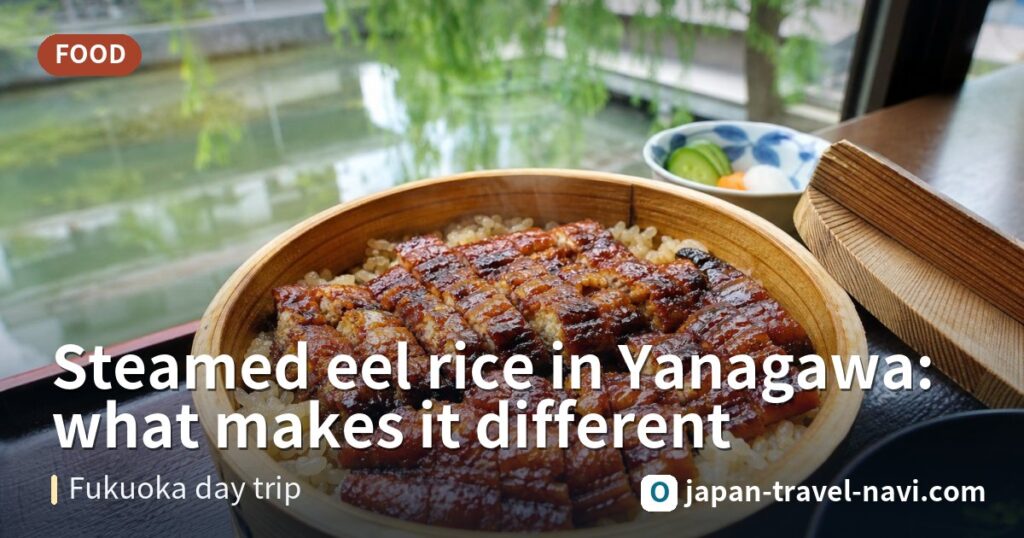
Regular eel rice (unagidon, unagiju) typically features roasted kabayaki eel placed directly on white rice. Yanagawa’s steamed eel rice (seiro mushi) is prepared differently: the rice is mixed with sauce first, then topped with eel, and finally steamed in a bamboo steamer. The steamed eel has a softer texture, and the sauce’s aroma seeps into the rice, making it moister overall. Unlike roasted eel’s pronounced char flavor, steamed eel is more delicate.
Since it’s steamed after ordering, it arrives very hot. When you lift the lid, a large cloud of steam will escape. Take photos while it’s steaming; when eating, start with small amounts from the edges to avoid burning your mouth.
River cruise or meal first? The order matters
A Yanagawa river cruise (kawashitari) lasts just over an hour, moving slowly along the waterway. It’s not convenient to leave midway. Our recommendation is to choose either “eat first, then cruise” or “cruise first, then eat”—the key is your arrival time:
- Arriving in the morning: Take the cruise first, and by the time you disembark, you’ll be hungry and ready to eat. However, lunch is peak time, so your exit might coincide with the queue rush.
- Arriving near noon: Register at a restaurant first, then buy boat tickets or take a walk while waiting. Decide the order based on when your table is called.
- Arriving in the afternoon: Eat first, then cruise. Dining pressure is lower, and this suits travelers not pressed for time.
Boat schedules and closures can be affected by weather and water levels. Check official information before you go.
Handling peak-time crowds
On weekends and holidays around midday, popular eel restaurants often have long lines outside. Since steamed eel is made fresh to order, waits can be lengthy. Here are practical strategies:
- Try to enter restaurants well before noon, or visit later in the afternoon.
- Upon arrival, check if there’s a waiting list or ticket system. Register your name and explore nearby shops while you wait.
- Some restaurants accept advance reservations—check their official websites before you leave.
- If you’re in a group, send one person to register while others buy boat tickets or store luggage at the station.
- If queues are too long, shift your focus to the river cruise and walking around town; save eel rice for a later afternoon visit.
How to order without regrets
Yanagawa’s steamed eel rice is typically offered as set meals that include soup, side dishes, or pickles alongside the rice, with contents varying by restaurant. When ordering, keep these points in mind:
- Check the eel portion first: Many restaurants offer different grades based on eel quantity. A standard serving is fine for normal appetites; order a larger size if you want more.
- One portion per person: Steamed eel rice is cooked fresh to order and isn’t meant for sharing. If dining with others, order one portion per person.
- Add side dishes if desired: You can order individual side dishes to try other flavors, but don’t overorder to avoid waste.
- Can’t read the menu?: Simply point to a photo and order the “set meal” or “standard set.” Most restaurants have picture menus.
Travel tips
- Train is most convenient: From Tenjin, take the Nishi-Tetsu Tenjin-Omuta Line to Nishi-Tetsu Yanagawa Station. The journey takes around an hour. Make sure you’re boarding an express or rapid train to save time.
- Station to attractions: From the station, you can walk or take a shuttle bus to the cruise pier and restaurant areas. Check official information before departure for shuttle schedules.
- Budget your time generously: Allow at least 3 hours for dining and a cruise. During peak times with queues, aim for 4–5 hours and factor in the last train home.
- Rainy-day backup plan: Heavy rain or unusual water levels may force cruise closures. You can explore the water-town streets and shops instead, or adjust your meal timing as needed.
- Luggage storage: Store large bags in station lockers so you can explore and board the boat more comfortably.
- Hot food, handle with care: Steamed eel rice and soup arrive very hot. If traveling with children, be especially careful—let food cool before eating.
This article has been compiled by the Japan Travel Free editorial team. Attractions and transit information are subject to change. Please confirm the latest details with each facility and official announcements before traveling.
Please verify the latest official information before your trip.
This article was translated from our Traditional Chinese edition.
Related reading



More from Fukuoka
More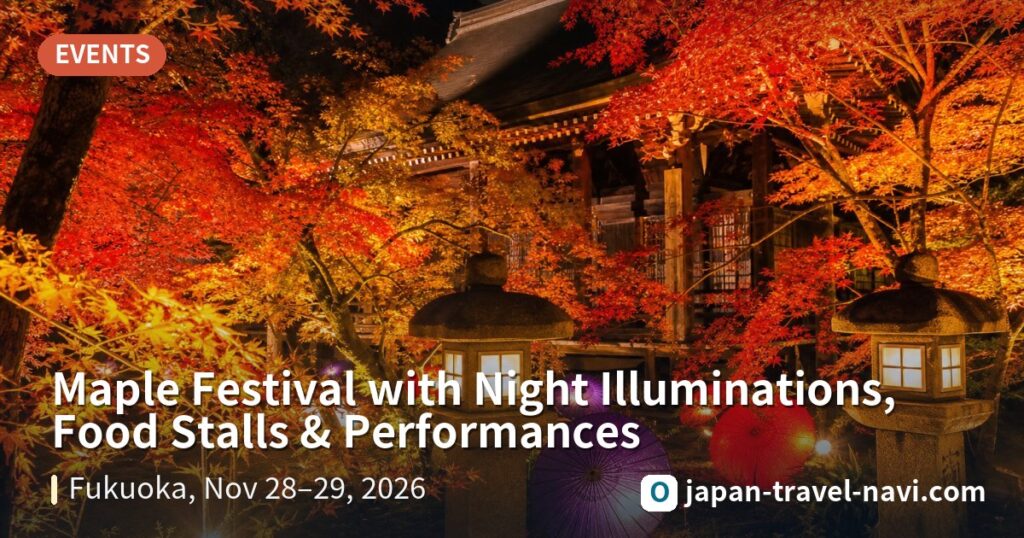 Kouyou Hachiman-gu Maple Festival in Fukuoka: Nov 28–29 Features Stalls and Performances
 SHOCK EYE “Hundred Landscapes” Photography Exhibition at Hakata Hankyu
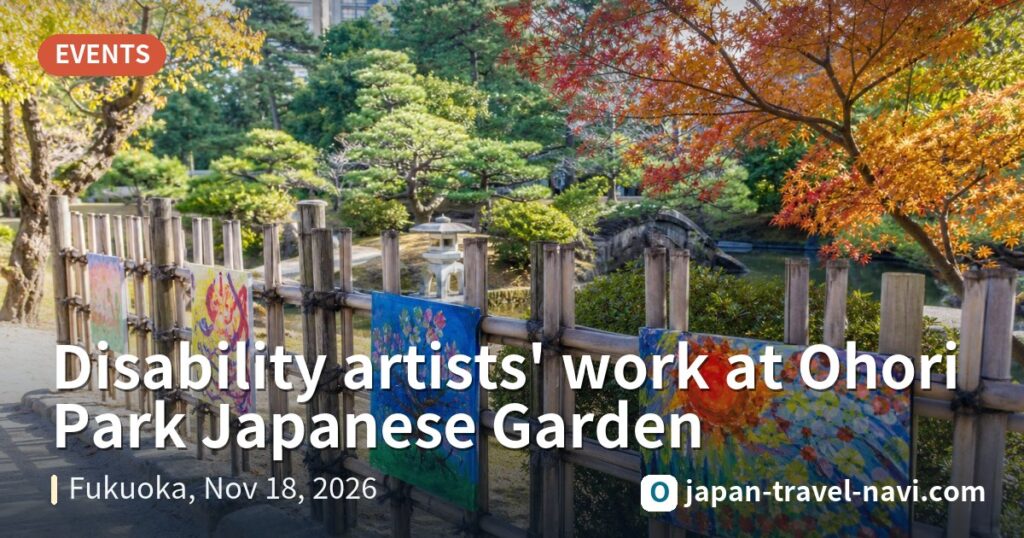 Artwork by Artists with Disabilities on Display at Ohori Park Japanese Garden from Nov 18
 Fukuoka Tower and Ice Skating Park Partner Deal Starting Nov 20, 2026