A Day Trip to Yanagawa: Punting Boats, Eel Rice and Dazaifu in the Right Order
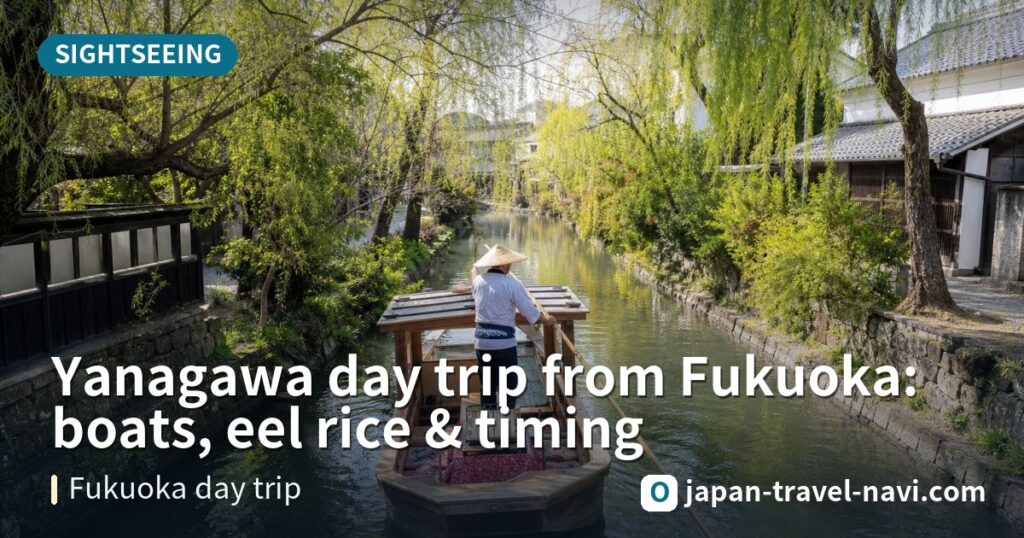
Yanagawa is perfect for a day trip from Fukuoka if you want to experience Japan’s water-village charm without spending the whole day commuting. A punting boat ride lasts about 1 hour, and with meals and round-trip travel, plan 5–6 hours at a comfortable pace. If you’re adding Dazaifu, reserve the whole day for both destinations. In winter, if you want to ride on a boat with a heated kotatsu (floor heater), leave early in the morning so you can enjoy warm eel rice before noon.
Contents
How to Make the Most of Punting Boat Rides
Yanagawa’s punting boats are called “donko-bune” (どんこ舟). A boatman stands at the stern and propels the boat forward using a long bamboo pole, gliding slowly along the waterways of the castle town. The boat sits low in the water, and when passing under low stone bridges, the boatman will remind everyone to duck. This is the most thrilling part of the journey—keep your phone and camera secure and avoid trying to photograph while passing under bridges.
For your first ride, book a morning or early afternoon time slot when the light is soft and the water is calm. The boatman will describe the scenery along both banks and occasionally sing. Even if you don’t understand Japanese, the weeping willows, white-walled storehouses and stone bridges are beautiful on their own. Use the restroom before boarding—the ride lasts about 1 hour and you cannot disembark mid-journey.
Boat schedules may be adjusted or suspended during rain or strong winds. Check the official website for the latest information before you go, and have a backup plan, such as exploring Hakata or visiting Dazaifu earlier than planned.
Winter Kotatsu Boats: Perfect for People Who Feel the Cold
Winter brings another way to enjoy Yanagawa: boats equipped with a heated kotatsu where you can tuck your feet under a warm blanket while viewing the water-village landscape—an experience unique to the colder months. Kotatsu boats operate only during specific winter periods. Before your trip, check the official website for actual dates and reservation methods.
Even with a kotatsu onboard, you’ll feel the wind blowing across the water, so wear an easy-to-move-in jacket and keep a scarf and gloves handy. Since kotatsu boat seats are limited, arrive early at the boarding point to queue, or check ahead if reservations are possible. Don’t count on finding a spot on the day. When taking photos, keep your camera around your neck and your hands warm in the kotatsu, extending them only when needed.
Timing Your Eel Rice Meal
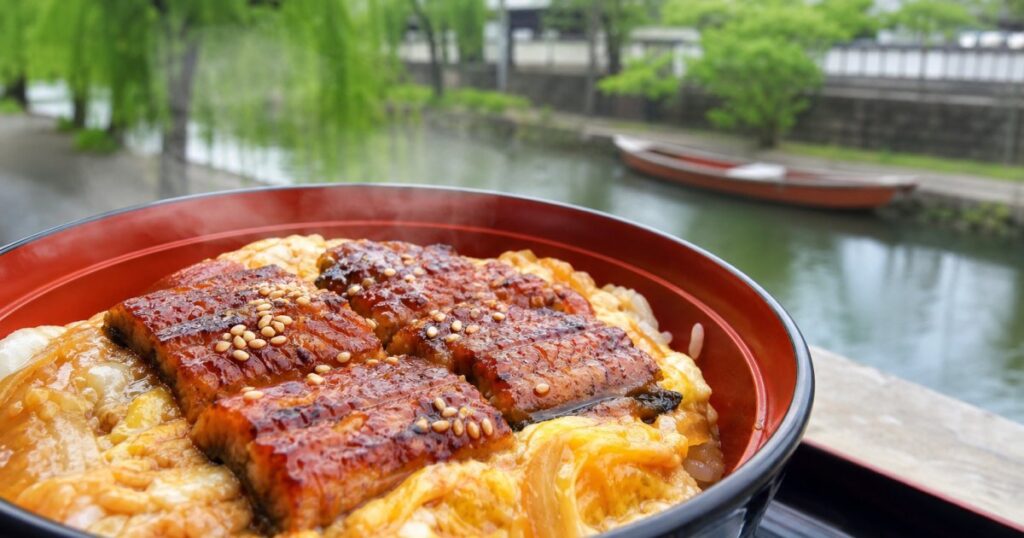
Yanagawa’s most famous local dish is “eel steamer rice” (うなぎのせいろ蒸し)—glazed eel placed on rice and then steamed in a bamboo steamer. Because it’s made to order and steamed fresh, the wait is typically longer than for regular rice bowls.
You have two options for the order:
- Eat first, then boat: Arrive before the noon rush, register or be seated at the restaurant, work the wait time into your plan, then head to the boat after eating.
- Boat first, then eat: Take the first morning boat departure, then eat around noon after disembarking. However, popular restaurants may have queues of 30–60 minutes.
In winter, the first option is recommended—enjoy warm eel rice and then board the kotatsu boat for maximum comfort. If you want to avoid peak times, you can have lunch in the late afternoon, but some restaurants close their kitchens early. Check the official website for current information.
Combining Yanagawa and Dazaifu in One Day
Both Yanagawa and Dazaifu are on the Nishi-Tetsu Tenjin-Omuta Line. To reach Dazaifu, transfer at Futsukaichi Station. The recommended order is: depart from Tenjin or Hakata in the morning, go to Yanagawa first for the boat and eel rice, then head to Dazaifu in the afternoon.
There are three reasons for this order:
1. Yanagawa’s boat schedules and eel restaurants have limited slots; arriving early is safer.
2. Dazaifu Tenmangu Shrine and its approach don’t require rushing—about 2 hours is enough, and crowds thin toward evening, making photos easier.
3. On your return, you can go directly back to Fukuoka without backtracking.
If Dazaifu is your main focus, you can reverse the order: visit the shrine in the morning, then head to Yanagawa before noon. However, you’ll arrive at Yanagawa close to the lunch rush, so confirm your dining spot first and decide whether to boat or eat first.
Making Choices for This Itinerary
When squeezing two spots into one day, restaurant queues are most likely to throw off your timing. If you’re pressed for time, prioritize the full Yanagawa experience and shorten Dazaifu to just the shrine visit and approach walk. On bad weather days, make Dazaifu the main attraction and visit Yanagawa for a meal only, skipping the boat.
Transport and Trip Reminders
- Main transport: Take the Nishi-Tetsu Tenjin-Omuta Line from Tenjin directly to Yanagawa (about 1 hour). For Dazaifu, transfer to a branch line at Futsukaichi Station. Check the official website for current schedules and train types.
- Ticket options: Nishi-Tetsu offers tour passes covering Yanagawa and Dazaifu. Before departure, check the official details to confirm whether they include the boat ride and match your route.
- Timing: Depart early in the morning. Once you arrive in Yanagawa, register for eel rice or book your boat slot first, then arrange other activities. This helps you avoid getting stuck in the lunch-hour rush.
- Boat transfer: Walking or a shuttle may be needed from Nishi-Tetsu Yanagawa Station to the boarding point. Confirm the meeting spot before boarding to avoid missing your departure.
- Winter warmth: Although the kotatsu warms your feet, the wind off the water can be strong. Bring a jacket, gloves and scarf. If rain is expected, bring rain gear.
- Plan flexibility: If there’s rain, strong wind, or long queues, prioritize eel rice and Dazaifu first, and check if the boat service is still running for your departure time.
This article was compiled and written by the Japan Travel Navigation editorial team. Attractions and transport information may change. Please confirm the latest details with each facility and official announcements before you travel.
Always verify current conditions with official sources.
This article was translated from our Traditional Chinese edition.
Related reading


More from Fukuoka
More Kouyou Hachiman-gu Maple Festival in Fukuoka: Nov 28–29 Features Stalls and Performances
 SHOCK EYE “Hundred Landscapes” Photography Exhibition at Hakata Hankyu
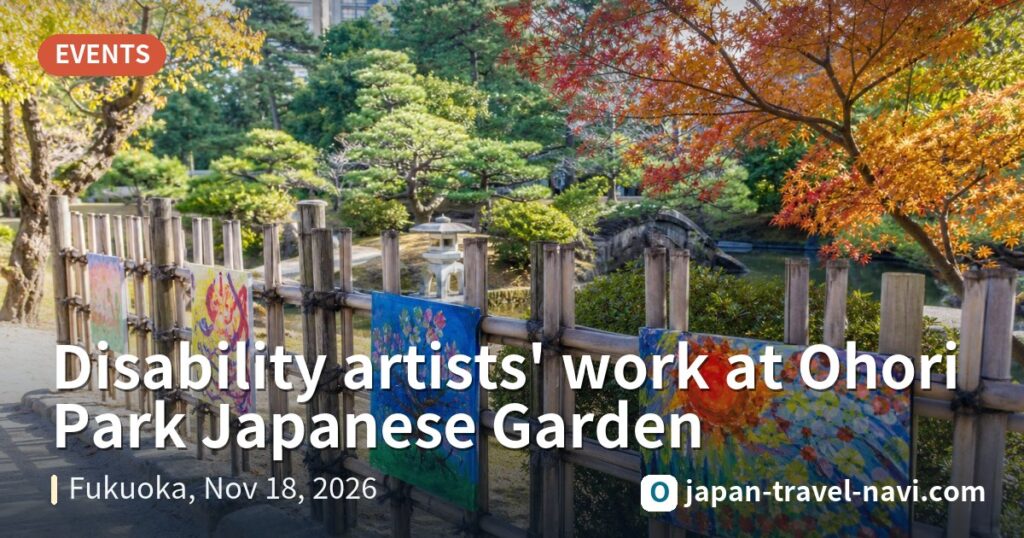 Artwork by Artists with Disabilities on Display at Ohori Park Japanese Garden from Nov 18
 Fukuoka Tower and Ice Skating Park Partner Deal Starting Nov 20, 2026