How to Ride the Yamanote Line: Inner vs. Outer Loops, Peak Hour Tips & Luggage Etiquette
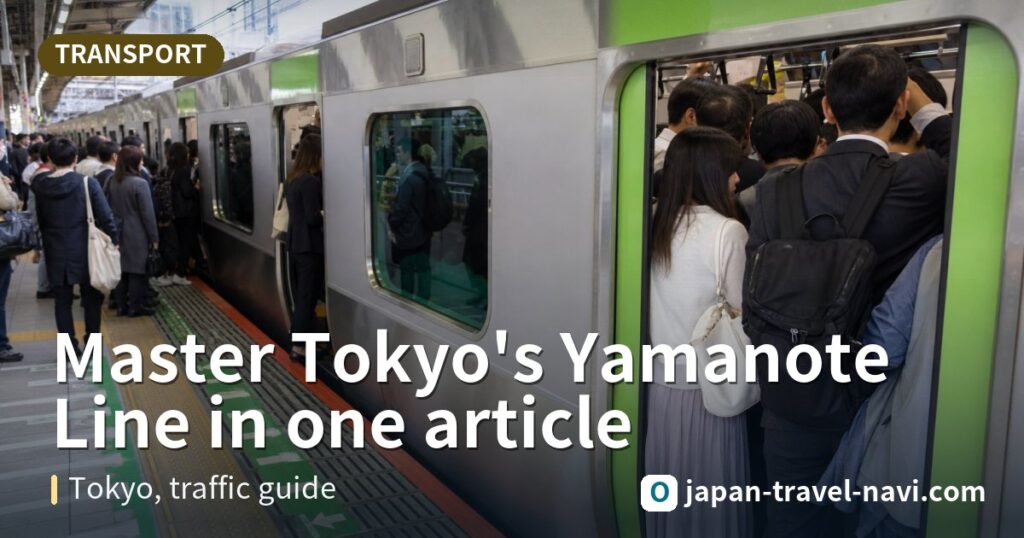
For first-time visitors to Tokyo, mastering the Yamanote Line solves most of your transportation needs. One full loop takes about 1 hour. On your first day, use it to connect major hubs like Shibuya, Shinjuku, Ikebukuro, Ueno, and Tokyo Station. Avoid weekday rush hours (early morning and evening) for a much more comfortable experience.
Contents
Inner vs. Outer Loop: Don’t Memorize Directions—Read the Station Signs
The Yamanote Line is a loop route with two directions: the inner loop (内回り, counter-clockwise) and the outer loop (外回り, clockwise). Instead of memorizing, remember this simple rule: From Tokyo Station, the inner loop goes toward Ueno, Ikebukuro, Shinjuku, and Shibuya; the outer loop goes toward Shinagawa, Shibuya, Shinjuku, and Ikebukuro. On the platform, signs display the direction and the next few stations—just check your destination against those signs and you won’t board the wrong train. If you do make a mistake, don’t panic. The loop will eventually get you there anyway. Just estimate which direction is closer; if it’s within about 30 minutes, you don’t need to get off and switch sides.
What Each Major Station Offers
- Tokyo Station: Gateway to the Shinkansen and multiple JR lines. Also the entrance to the Imperial Palace area and Marunouchi district.
- Shinagawa: Shinkansen stop with connections to Haneda Airport.
- Shibuya, Harajuku: Shopping and trendy districts. Shibuya Station has complex internal connections—allow extra time for transfers.
- Shinjuku, Ikebukuro: Two major transport hubs with abundant accommodation and dining options nearby. Starting points for day trips to surrounding areas.
- Ueno, Akihabara: Ueno is ideal for museums and parks. Akihabara is the place for anime, manga, and electronics shopping.
When planning your day, concentrate on 2 to 3 areas rather than getting off at every station just to “complete the loop.”
How to Avoid Rush Hour Crowds
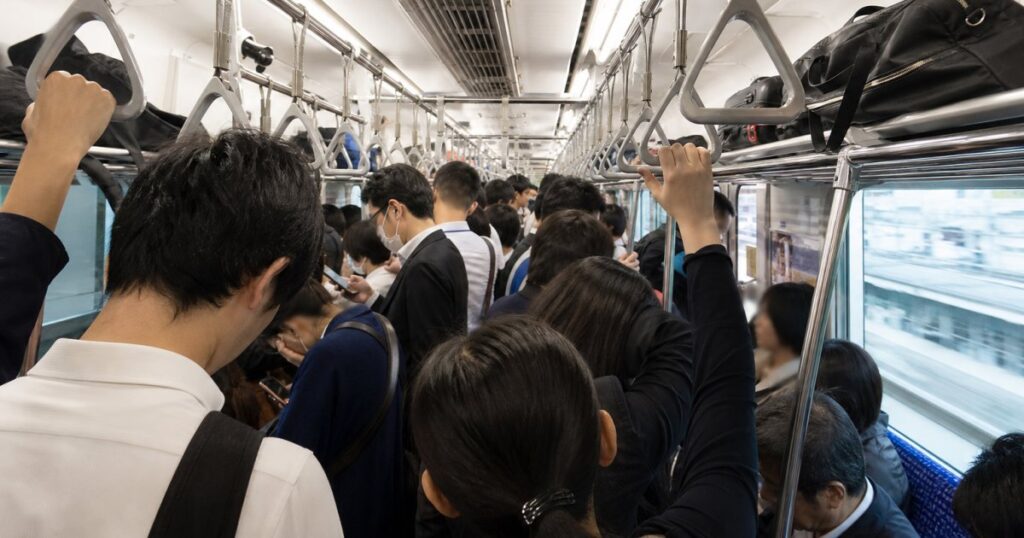
On weekdays, peak crowding occurs around 8 AM to early 9 AM and during the evening commute. Platforms and cars fill noticeably, especially around Shinjuku, Ikebukuro, and Shibuya. To travel more comfortably, try these adjustments:
1. Eat breakfast near your hotel and leave later, waiting for the crowd to thin out.
2. Schedule popular routes (like Shibuya to Shinjuku) for late morning or afternoon.
3. For evening sightseeing or dining, explore your current area until dark, then travel after the commute rush ends.
4. Weekends and holidays have less commuter pressure, though popular shopping districts will still draw crowds.
Luggage Etiquette on the Yamanote Line
Avoid bringing large suitcases during peak hours. If you must travel with luggage, go just before or after rush hour. Once on board:
- Keep luggage at your feet or in front of you—never block doorways or aisles.
- Remove backpacks and hold them to your chest or place at your feet to avoid bumping others.
- Keep your voice low in the car. Silence your phone and save calls for after you exit.
- Leave priority seating areas clear for those who need them.
If you’re carrying lots of luggage, consider using station lockers or asking your hotel to help forward larger items to your next destination. Traveling light makes sightseeing much more enjoyable.
Traffic & Itinerary Tips
- Use a transit IC card for convenience: Cards work on the Yamanote Line and subway lines alike, saving you the hassle of buying tickets each time. Check official sources for the latest details before your trip.
- Allow buffer time for transfers: Shinjuku, Shibuya, and Tokyo Station are large, with complex layouts. Budget 10–15 extra minutes for transfers to be safe.
- Avoid airport transfers during rush hour: When arriving or leaving, try not to overlap with morning or evening commute times—especially important when carrying luggage.
- Check the platform before boarding: Confirm the train is the Yamanote Line by looking at the car markings, and verify the direction and upcoming stations on the platform signs to avoid boarding the wrong line.
- Adjust your schedule in rain or crowds: Schedule indoor attractions (museums, department stores) during peak times and outdoor activities during quieter periods.
- Check the last train time: If you’re out late, look up the final train back to your hotel. If needed, consider other lines or a taxi instead.
This article has been compiled and written by the Japan Free Travel Information Station editorial team. Attractions and transportation information may change—please verify with official sources and facility announcements before your trip.
For the most current information, please refer to official announcements.
This article was translated from our Traditional Chinese edition.
Related reading
 Kyoto by foot, bike, and taxi: how to combine them for the best use of time and energy
 Getting to Arashiyama: Comparing JR, Randen, and Hankyu Transit Options
 How to Get from Kansai Airport to Kyoto: Express Trains, Buses, Late Arrivals & Return Options
 Kyoto Metro, JR, Keihan & Hankyu: Complete Transit Guide to Skip Bus Traffic
More from Tokyo
More Christmas Shopping Pop-up at Ichigaya Station (Toei Shinjuku Line) Nov 25–Dec 26
 Nov 22: 20th Bakuretsu Festival – Airsoft & Tactical Gear Showcase
 Nov 28–29 Ikebukuro Sunshine City Furniture Clearance Sale – Free Entry
 Marunouchi Building’s RIMTAE Debuts Black Tea Blooming Tea with Peony and Chrysanthemum