Tsukiji Outer Market vs. Toyosu Market: Timing, Etiquette & How to Pick Seafood Bowls
For visitors who want to eat seafood bowls and sushi while strolling and snacking, Tsukiji Outer Market is the main choice—budget about 2–3 hours. If you’re interested in how wholesale markets operate and want to watch tuna auctions, add Toyosu Market to the itinerary for a half-day trip. Both locations are best visited early in the morning when crowds and wait times are lighter. Closure dates and opening hours change annually, so check official information before you go.
Contents
What’s the difference between the two markets?
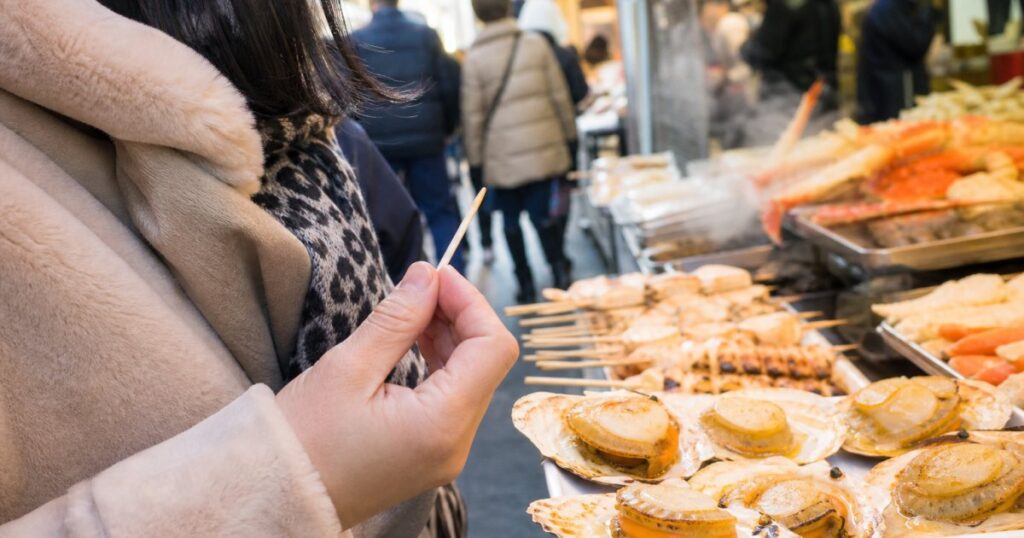
Tsukiji Outer Market is a shopping street–style market in Chuo Ward. The wholesale function moved out long ago, leaving behind retail vendors and food stalls. The focus is on strolling, browsing, and buying food to eat on the spot—perfect for first-time Tokyo visitors who want a lively atmosphere.
Toyosu Market, located in Koto Ward, is the current wholesale market hub. The building is large with modern layouts, and the main attraction is viewing the work areas from the visitor walkway (見学者通路), where you may catch tuna auctions during certain hours. Auction viewing may have restrictions; check official rules first. In short: Tsukiji is about “eating,” Toyosu is about “watching.”
How to plan your morning
If you choose only one market, go to Tsukiji and arrive early in the morning so you finish eating before the biggest crowds arrive. If you want to visit both, go to Toyosu first, then return to Tsukiji for brunch; most tours at Toyosu happen in the morning, and you’ll miss the work operations if you go later.
Travel time between the two is about 20–30 minutes using the Tokyo Metro and Yurikamome Line (ゆりかもめ). Many shops close progressively in the afternoon, so schedule your must-see stops in the first half of the day. If it rains, you can visit nearby Tsukiji Hongan-ji temple, while Toyosu is mostly indoors so rain has less impact.
Etiquette for eating while walking (食べ歩き)
The alleyways in Tsukiji Outer Market are narrow and crowded, so the golden rule is: “finish eating before you walk.”
- When you buy skewers, tamagoyaki (玉子焼き), or other snacks, eat them standing by the vendor or in a designated area. Don’t walk around holding bamboo skewers—you risk poking other people.
- Return bamboo skewers and paper boxes to the vendor or dispose of them in the shop’s designated trash bin. Don’t litter on the street.
- Ask permission before taking photos. Don’t block the walkway, and never photograph staff or other customers without consent.
- Don’t bring large luggage into crowded areas. Store it at the station or your hotel.
How to pick seafood bowls and sushi
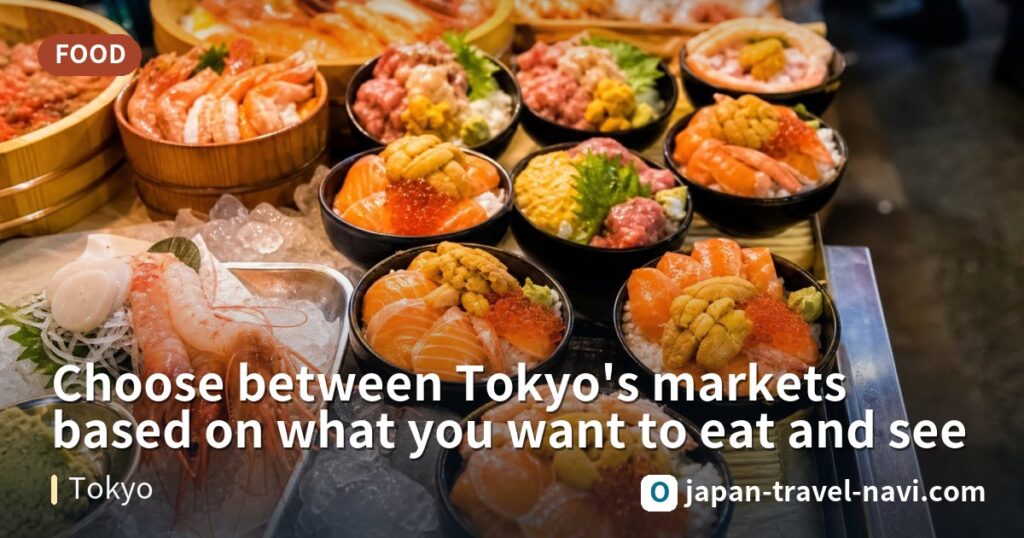
If you’re new to this, start by choosing shops where “the toppings are easy to see at a glance.” Look at the menu photos and fish names on the signs so you don’t order the wrong thing. For trying multiple varieties, go for a mixed seafood bowl (海鮮丼); if you’re set on tuna, order a tuna bowl and ask about the specific cut first.
For sushi, choose shops with seats inside. Order a combination of 5–8 pieces per person, then add more if you’re still hungry—this way you won’t overeat. At Toyosu, most dining areas are inside the market building, so you can watch operations while eating, though popular shops do have lines. Check the crowds before deciding. To save time, you can split your meal: eat a bowl of rice first, then buy two or three small snacks.
Sample itinerary
Start at Toyosu Market in the morning for about 1–1.5 hours to see the operations, then take a train back to Tsukiji to eat a seafood bowl at the outer market. Finish by picking up some dried goods, tamagoyaki, or seasoning as souvenirs. If you’re tired, take a walk around Tsukiji Hongan-ji temple, or hop on a train to Ginza for more shopping.
Travel tips
- For Tsukiji Outer Market, take the Tokyo Metro Hibiya Line to Tsukiji Station, or the Toei Oedo Line to Tsukiji-shijōguchi Station, then walk. For Toyosu Market, take the Yurikamome Line to Ichiba-mae Station, or the Tokyo Metro Marunouchi Line to Toyosu Station and transfer. Check a route app for current schedules before you go.
- Morning rush hour trains are crowded. Store large luggage at your hotel or in a station locker, not in the market.
- The roads around the markets are narrow with heavy foot traffic. Driving or renting a car is not recommended. If traveling with family, hold children’s hands and watch out for cargo trucks and hand carts.
- Closure dates, tour availability, and tuna auction viewing rules change regularly. Check official information before departure.
- On rainy days, shorten your outdoor time at Tsukiji and shift focus to Toyosu’s indoor attractions. Leave buffer time for your next destination.
This article was compiled and written by the Japan Travel Navi editorial team. Venue and transportation details may change; please confirm with official sources before you visit.
Information subject to official updates.
This article was translated from our Traditional Chinese edition.
Related reading



More from Tokyo
More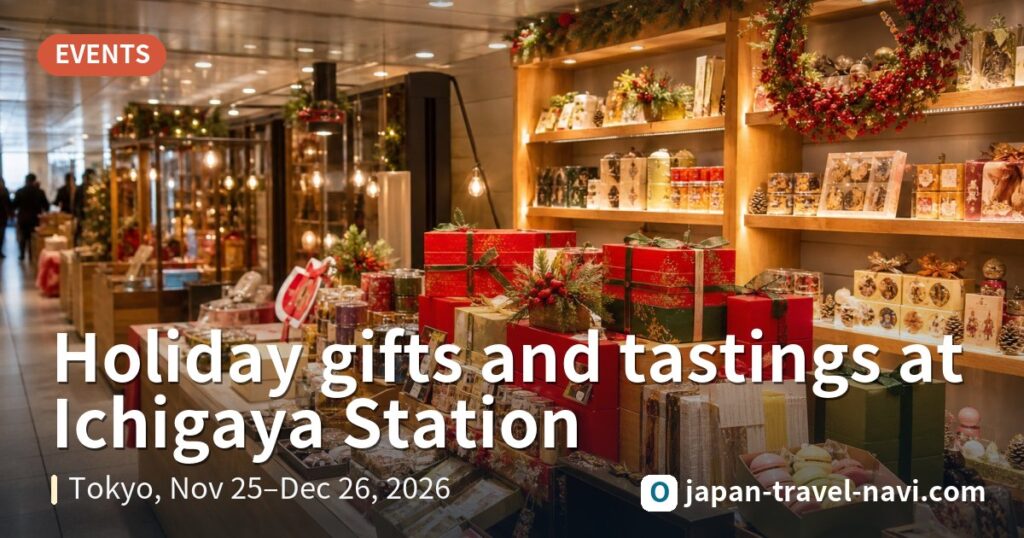 Christmas Shopping Pop-up at Ichigaya Station (Toei Shinjuku Line) Nov 25–Dec 26
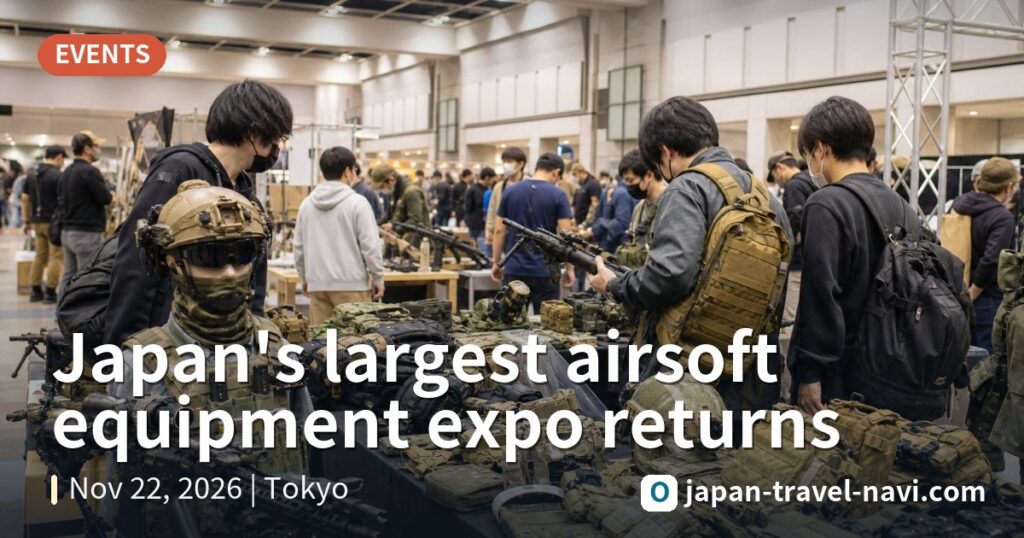 Nov 22: 20th Bakuretsu Festival – Airsoft & Tactical Gear Showcase
 Nov 28–29 Ikebukuro Sunshine City Furniture Clearance Sale – Free Entry
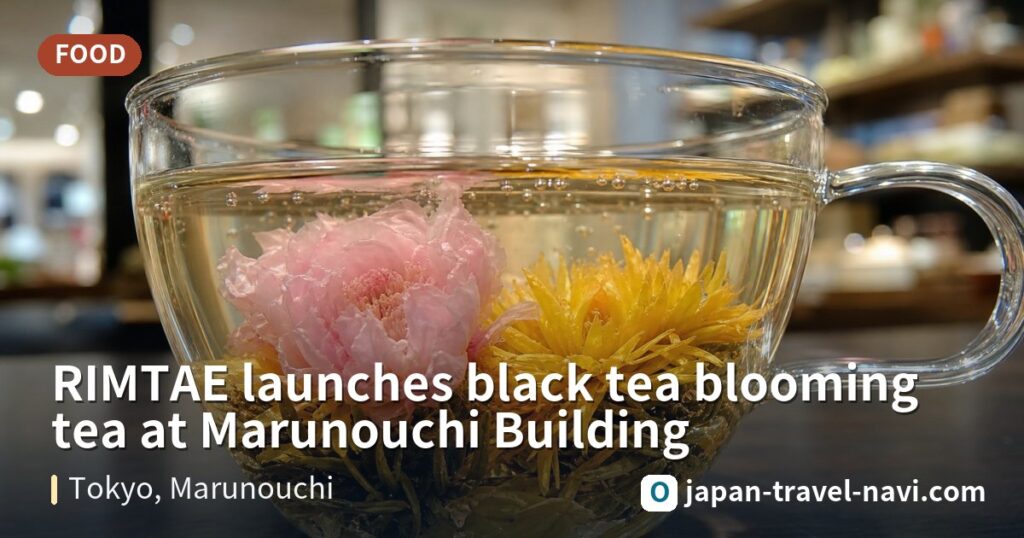 Marunouchi Building’s RIMTAE Debuts Black Tea Blooming Tea with Peony and Chrysanthemum