Tokyo Money-Saving Tips: Lunch Sets, Closing-Time Discounts, and Off-Season Bookings
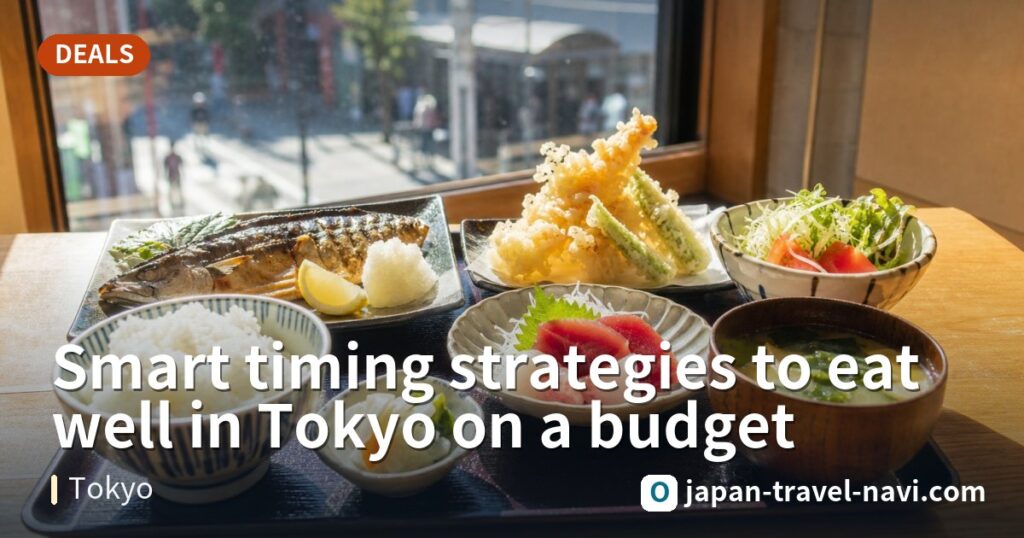
Eating well in Tokyo without breaking the bank comes down to one principle: “do the right things at the right time.” This guide works whether you’re staying for 3 days or 7, and is perfect for budget-conscious travelers who don’t want to compromise on food. The core strategy is to eat your main meal at lunch, be smart about dinner, and book accommodations and flights early.
Contents
Why lunch sets are cheaper than dinner
Many Tokyo restaurants offer lunch sets (ランチ) to attract office workers. The formula is simple: fixed menu items, concentrated prep work, quick service, and high table turnover. This means the same restaurant often serves better value at lunch than at dinner, and meals usually come with rice, soup, or side dishes. For popular restaurants you want to try, plan to go at lunchtime and grab something lighter for dinner instead.
In practice, weekday lunch rushes attract the most office workers. Try arriving a bit early or coming a little later to skip the peak crowd. Not sure which places offer lunch sets? Check the restaurant info on Google Maps or similar apps, and verify current details on official websites before your trip. Waiting times can be much shorter outside peak hours.
Supermarket and department store closing-time discounts
From late afternoon onward, supermarkets and department store food halls (デパ地下) start marking down the day’s prepared foods, bento boxes, and sushi with discount stickers. It’s a great way to eat fresh meals without queuing. Large shopping districts like Ginza, Shinjuku, and Ikebukuro—plus supermarkets near major stations—are worth browsing, but discount timing and percentages vary by store, and availability isn’t guaranteed daily. Check what’s available on the day.
Strategy: Stop by a supermarket or food hall on your way back to your hotel before dinner and see what catches your eye. Japanese etiquette discourages eating while walking, so bring your purchase back to your hotel room or find a public seating area. When booking accommodations, check if your room has a microwave or fridge—it makes a big difference for this approach.
Off-season accommodations and flights
Prices spike during Golden Week (ゴールデンウィーク), Obon, New Year’s, and cherry blossom and autumn foliage seasons. If your dates are flexible, try avoiding these peaks and booking for the weeks before or after, or during the rainy season (tsuyu). You’ll typically find better rates, though you should pack an extra umbrella and plan indoor activities like museums, department stores, or underground shopping streets.
Both flights and accommodations tend to be cheaper on weekdays than weekends. You don’t need to stay in the heart of Shinjuku or Shibuya. Staying along Tokyo Metro or Toei Subway lines, a 20–30 minute ride from major attractions, is often much more affordable. Just factor in daily commute time so you’re not saving on lodging but losing time.
The early-bird booking mindset
Early booking means “locking in your options,” not necessarily the lowest price. For flights and accommodations, once you’ve set your dates, start comparing prices a few months ahead and read the cancellation and change policies carefully. Prioritize options with free cancellation so you can adjust later if prices drop or your plans become clearer.
Popular restaurants and attractions: book early if they take reservations, so you don’t end up with expensive or inconvenient options at the last minute. That said, don’t over-schedule. Leave some flexible time each day for weather changes or spontaneous detours. Always check official announcements for the latest reservation details before you depart.
Travel tips
- Use trains and subways: Getting around central Tokyo by public transport is most efficient. Before your trip, compare one-day passes against individual tickets based on how many trips you’ll actually take. Check official sites for the latest ticket options.
- Avoid rush hours: Weekday early morning and evening commutes pack trains. Travel before or after peak times to save energy and find a seat, especially with luggage.
- Airport to city connections: Haneda Airport is closer to central Tokyo, while Narita takes longer. Compare flight price differences and travel time to the city, then decide which airport works best for you.
- Build discount shopping into your route: If you want evening food hall discounts, plan your path back to the hotel through a supermarket or department store food section. Don’t make a special detour. Discounts are subject to availability.
- Check last-train times: Before heading out in the evening, look up when the last train back to your accommodation departs. Otherwise, you might end up paying for a taxi.
- Rainy-day backup plans: During the rainy season or when it rains, switch to indoor activities. Choose station areas connected by underground passages to stay dry and avoid long walks.
This article was compiled by the Japan Travel Information editorial team. Attraction and transportation details may change. Please check official announcements for the latest information before you depart.
Always verify the latest official information before your trip.
This article was translated from our Traditional Chinese edition.
Related reading



More from Tokyo
More Christmas Shopping Pop-up at Ichigaya Station (Toei Shinjuku Line) Nov 25–Dec 26
 Nov 22: 20th Bakuretsu Festival – Airsoft & Tactical Gear Showcase
 Nov 28–29 Ikebukuro Sunshine City Furniture Clearance Sale – Free Entry
 Marunouchi Building’s RIMTAE Debuts Black Tea Blooming Tea with Peony and Chrysanthemum