Tokyo Metro 24/48/72-Hour Pass: How to Choose and Calculate the Best Value

If you’re planning to spend 2–4 days in Tokyo, taking the metro multiple times daily, and visiting neighborhoods along metro lines like Asakusa, Ueno, Ginza, Roppongi, and Shinjuku, this pass is worth calculating in advance. The key isn’t how many nights you stay, but rather how many periods of intensive travel you’ll have. We recommend starting your pass on your first metro ride of the morning and getting full value from the 24 hours.
Contents
First, understand what’s covered and what isn’t
The Tokyo Metro Pass (東京サブウェイチケット) offers unlimited rides on Tokyo Metro and Toei Subway lines, so you can use both companies’ routes in a single trip. However, it does not cover JR (including the Yamanote Line), private railways, Yurikamome Line (ゆりかもめ), Rinkai Line (りんかい線), Tokyo Monorail, or buses.
This means two important things:
- Trips to and from Haneda and Narita Airports, as well as Odaiba, typically require separate payment on other rail lines.
- At major stations like Shibuya, Shinjuku, Ikebukuro, and Ueno, the metro stations and JR stations are separate; pay close attention to exit signs when transferring.
Before you depart, use a map app to check whether each attraction you plan to visit is nearest to a metro station or a JR station.
Judging value based on your itinerary density
The simplest method: list every single trip you plan to take each day, add up the individual fares, and compare the total to the pass price. You don’t need to be precise—a rough estimate works.
- Visiting 2–3 spots per day with mostly walking: Usually not worth it; using an IC card for individual trips is more flexible.
- Traveling across 4 or more districts in a day (e.g., Asakusa in the morning, Ueno at midday, Ginza in the afternoon, Roppongi in the evening): This is where a pass can pay for itself; a 24-hour pass often suffices.
- 2–3 consecutive days of dense metro usage: Then consider a 48 or 72-hour pass.
The pass duration starts from your first gate entry, not by calendar day. A 48-hour pass begun at 9 a.m. covers you through the following morning, perfect if you want to squeeze in one more spot early on your last day. Conversely, if you start the pass on the evening of day one, you’ve wasted half a day’s value.
Eligibility and where to buy
This pass is for short-term visitors; you’ll typically need to show your passport to verify entry status. Purchase options fall into three categories: airport visitor service counters, certain visitor centers or electronics retailers in the city, and online pre-purchase with pickup at designated locations or digital versions for immediate use. Specific sales locations, methods, and usage rules may vary, so check official information before departure.
We recommend checking how to buy as soon as you arrive at the airport, but don’t activate it right away. Since travel from the airport to the city usually uses routes outside the pass coverage, it’s most cost-effective to start your pass when you first use the metro.
Using the pass together with an IC card
A metro pass and IC card (Suica, PASMO, etc.) aren’t either/or—they work together:
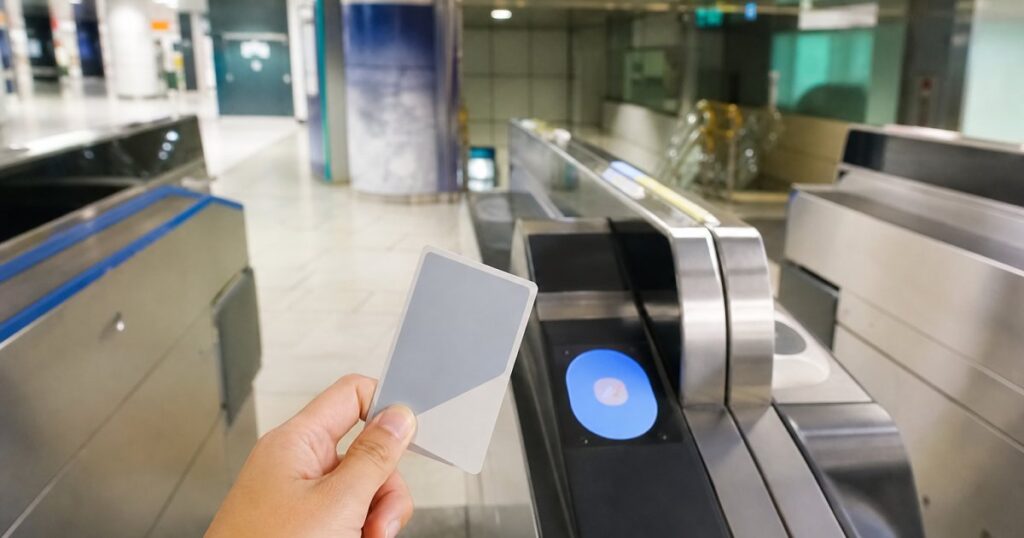
1. Tap your pass or use its digital version when riding the metro; it doesn’t deduct from your IC card balance.
2. Use your IC card instead for JR, private railways, Yurikamome, or buses.
3. Use your IC card for small purchases at convenience stores and vending machines.
This way, your daily movement doesn’t have to fit into a single ticket type. If your itinerary relies heavily on JR stations, such as frequent Yamanote Line trips, don’t detour to metro stations just to use the pass; using your IC card is usually simpler.
Quick selection guide for the three pass lengths
- 24 hours: Short trips or single-day intensive Tokyo exploration.
- 48 hours: Two days of dense city sightseeing; starting in the morning works best.
- 72 hours: Three consecutive days with metro as your main transport. If you plan a day trip outside Tokyo or to nearby areas, recalculate separately so you don’t waste pass time.
Travel tips
- Confirm the coverage: Tokyo Metro and Toei Subway are included; JR, private railways, Yurikamome, Rinkai Line, and buses are not. Check the line company indicated on station signs before transferring.
- Timing starts from your first gate entry. Activate the pass on your first metro ride of the day, preferably before rush hour, and front-load your priority spots.
- Airport transfers usually fall outside coverage; prepare an IC card or single tickets separately, and activate your pass only when you’re ready for your first metro ride.
- Major stations with the same name, such as Shibuya, Shinjuku, and Ikebukuro, have separate metro and JR stations that may require a short walk; allow 10–15 extra minutes for transfers to be safe.
- On rainy days, switch your plans to metro-connected indoor attractions or shopping centers to minimize surface travel, which also helps justify the pass cost.
- Ticket locations, rules, and options may change. Check official information before departure and bring your passport.
This article was compiled and written by the Japan Travel Guide editorial team. Attraction and transportation information may change; please confirm with official announcements and facilities before departure.
Please refer to the latest official information for current details.
This article was translated from our Traditional Chinese edition.
Related reading




More from Tokyo
More Christmas Shopping Pop-up at Ichigaya Station (Toei Shinjuku Line) Nov 25–Dec 26
 Nov 22: 20th Bakuretsu Festival – Airsoft & Tactical Gear Showcase
 Nov 28–29 Ikebukuro Sunshine City Furniture Clearance Sale – Free Entry
 Marunouchi Building’s RIMTAE Debuts Black Tea Blooming Tea with Peony and Chrysanthemum