Free Things to Do in Tokyo: Observation Decks, Shrines, and Parks One-Day Itinerary

Want to explore Tokyo on a budget without just wandering aimlessly? This guide is perfect for first-time or returning independent travelers. Free attractions work well as “half-day to full-day” itineraries—start early or mid-morning, and save the evening for free observation decks to catch the sunset and night views. Note that opening days and hours may change; check official information before you go.
Contents
Free Observation Decks: Choose Your View, Then Pick Your Time
Tokyo has several free high-rise viewpoints. The most famous is the Tokyo Metropolitan Government Building observation deck (東京都庁) in Shinjuku, which offers views of the city and distant scenery on clear days. Another excellent option is the observation deck at the Asakusa Culture and Tourism Center (浅草文化観光センター), which isn’t very high but offers great close-up views of Sensoji Temple and Tokyo Skytree—perfect for photos.
- To catch the sunset and night views, arrive about 30 minutes before sunset and stay for 30–60 minutes.
- Queues and security checks at free facilities vary by time; peak seasons and weekends may have waits—build in flexibility.
- If it rains or visibility is poor, shop indoors and revisit the observation deck another day.
Shrines and Temples: Best Visited in the Morning
Sensoji Temple and Meiji Shrine are the easiest free attractions to fit into your schedule. The shopping streets around Sensoji are lively, but if you arrive early, you’ll find fewer crowds and better photo opportunities. Meiji Shrine sits next to Harajuku; walking from the station through the tree-lined approach path creates a peaceful, quiet experience.
- Plan to spend about 1–1.5 hours at Sensoji Temple; add extra time if you want to browse the shopping street.
- It’s about 15–20 minutes one-way from the entrance to the main shrine at Meiji, so wear comfortable walking shoes.
- Remain quiet while worshipping; some areas have photography restrictions—check posted signs.
Parks and Gardens: Know Which Ones Are Free
Tokyo’s parks are perfect “breathing spaces” during your itinerary. Ueno Park (上野恩賜公園) and the Outer Garden of the Imperial Palace are great for strolling, picnicking, and photos. Ueno Park also has many museums and a zoo nearby if you want to extend your visit. Keep in mind that many famous gardens in Tokyo require paid admission; if you’re budgeting carefully, check whether a site is free before adding it to your plan.
- During spring cherry blossoms and autumn foliage seasons, crowds are heavy—visit on weekday mornings if possible.
- Summer sun is intense; take a midday break indoors and return to the park in the evening.
- On rainy days, explore covered walkways and shopping streets near Ueno.
Museums and Free Admission Days: Save With “Free Days”
Some museums, art galleries, and gardens offer free admission on specific memorial days or holidays, though dates change yearly and free entry may be limited to permanent exhibitions only. The safest approach is to check each facility’s official announcements before your trip, then decide whether to align your schedule with a free day. If you do catch a free day, arrive early and plan for queues.
- Free days attract large crowds; pick just 1–2 museums to visit thoroughly.
- Check closure dates in advance to avoid wasted trips.
- Don’t be disappointed if you miss a free day—the Ueno area alone offers plenty worth exploring between the park and surrounding walks.
Sample One-Day Itineraries: Connecting Free Attractions
The key to visiting free attractions is avoiding “running all over town”—stick to one district or one subway line.
- Route A (East Side): Start with Sensoji Temple and its shopping street in the morning, then head up to the Asakusa Culture and Tourism Center observation deck for views. Take the Tokyo Metro Ginza Line to Ueno, spend the afternoon strolling Ueno Park, and consider visiting one museum depending on your energy level.
- Route B (West Side): Begin early at Meiji Shrine in Harajuku, have lunch in Harajuku or Shibuya at midday, then move to Shinjuku in the afternoon. End your day at the Tokyo Metropolitan Government Building observation deck to watch the sunset and night views.
- If you have less energy or it’s rainy, pick just 2–3 highlights per route and save the rest for the next day.
Travel Tips
- Trains and subways are most convenient in central Tokyo. Download a route-planning app beforehand and check transfer stations and exits to avoid getting lost at major hubs.
- Asakusa, Ueno, Shinjuku, and Harajuku are crowded areas. On weekends and holidays, start early, and allow extra time for transfers and walking.
- Meiji Shrine and parks involve considerable walking—wear comfortable shoes, bring water, and watch for sun exposure in summer.
- Free observation decks and facilities may adjust hours due to maintenance, events, or weather. Check official information before you go and have a backup attraction in mind.
- If visiting an observation deck around sunset, expect rush-hour crowds on the return journey. Consider taking a less-crowded car or leaving a bit later.
- If you’re carrying luggage, store it at your hotel or a station locker before sightseeing. Traveling light makes climbing stairs and navigating trains much easier.
This article was compiled and written by the Japan Self-Guided Travel Information editorial team. Attraction and transit information may change; check official announcements from each facility before your visit.
Always confirm details with the latest official information.
This article was translated from our Traditional Chinese edition.
Related reading




More from Tokyo
More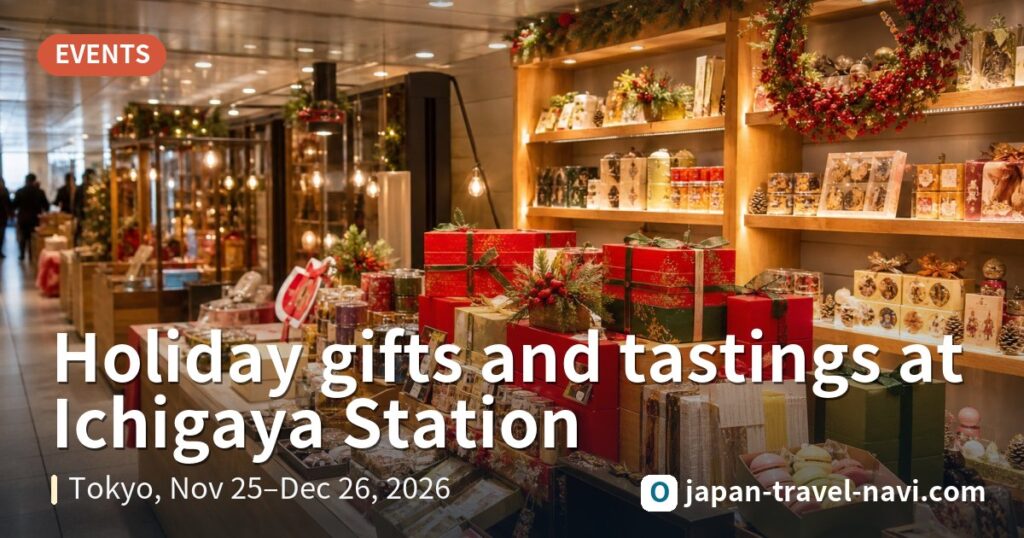 Christmas Shopping Pop-up at Ichigaya Station (Toei Shinjuku Line) Nov 25–Dec 26
 Nov 22: 20th Bakuretsu Festival – Airsoft & Tactical Gear Showcase
 Nov 28–29 Ikebukuro Sunshine City Furniture Clearance Sale – Free Entry
 Marunouchi Building’s RIMTAE Debuts Black Tea Blooming Tea with Peony and Chrysanthemum