A Guide to Tokyo Department Store Basements: Fresh Prepared Foods, Sweets, Closing-Time Discounts, and Takeout Tips
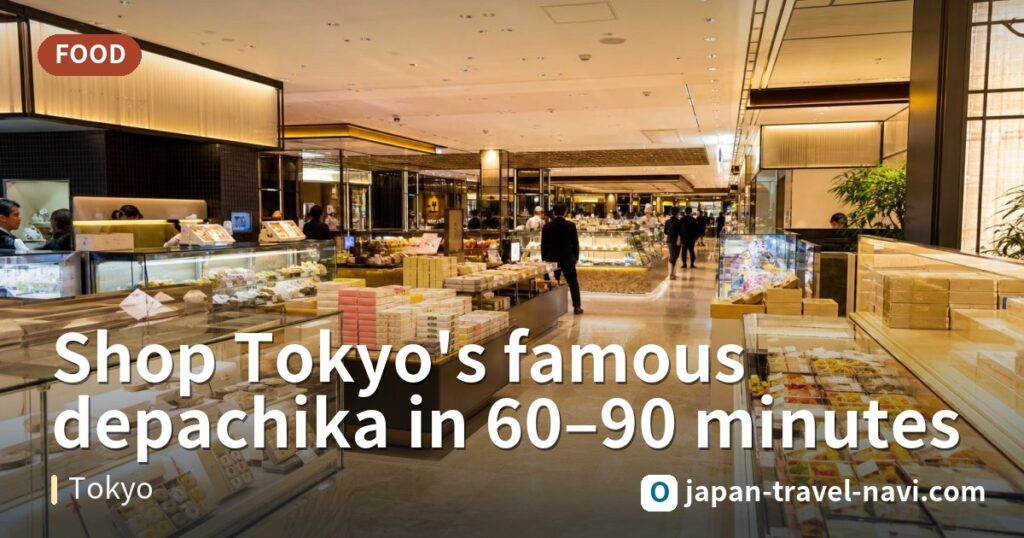
If you want to eat well in Tokyo without waiting in line at every meal, a 60–90 minute visit to a department store basement (depachika / デパ地下) is perfect. Major stores are located around Shinjuku, Ginza, Ikebukuro, and Tokyo Station. Visit in the afternoon through early evening for the best selection and a chance to catch the evening discount atmosphere.
Contents
Walk the Loop First: Layout and Shopping Strategy
Don’t buy immediately upon entering. Spend about 15 minutes walking from one end to the other to get oriented. Sections typically include prepared foods, bento boxes, bread, Japanese sweets, Western cakes, and beverages. Do your prepared food and bento shopping in one loop, then leave desserts and gift items for last—this keeps refrigerated items cold longest. During busy times (lunch rush and end of business day), aisles are tight, so if you have large luggage, consider storing it at the station or your hotel first.
Prepared Foods and Bento: How to Avoid Disappointment
Prepared foods (惣菜) are often sold by weight, so you can buy just a little of each kind—great for sharing among two or more people. Bento boxes (お弁當) come in fixed portions; if you want to sample many side dishes at once, opt for items with a “mixed” assortment for the best value. For pungent items like fried foods or grilled fish, consider ventilation if you plan to eat in your room. First-time visitors should try sushi, rice balls, or simmered dishes—things that taste good even cold and have a low failure rate.
Dessert Section: Separate Fresh Cakes from Shelf-Stable Sweets
Split the dessert section into two categories: cream cakes and fresh Japanese sweets that need refrigeration and should be eaten the same day, and cookies, baked sweets, and yokan that keep well at room temperature. For items you plan to eat at your hotel that day, confirm storage instructions and recommended eating time with the staff. If you’re taking sweets home, focus on room-temperature items. When buying cakes, ask staff to add cooling packs and check the storage conditions marked on the packaging.
Pre-Closing Discounts: How to Get Lucky
Many shops add discount stickers (割引シール) to prepared foods, bento, and bread as closing time approaches—useful if you want to save money and eat dinner that evening. However, stores start discounting at different times, and there’s no guarantee every day. Popular items may sell out early. Plan to arrive about 1–2 hours before the store closes, browse first, and see what’s available. Check the department store’s official website for current hours before you go. If you’re counting on discounts for dinner, have a backup plan—like a nearby convenience store or restaurant.
Bringing Food Back to Your Hotel and Taking Souvenirs: Important Notes
- Eating that evening: First confirm whether your hotel room has a refrigerator and microwave. If not, avoid items that need heating or overnight refrigeration.
- Don’t eat on the train: Eating on Japanese trains and subways is generally not appropriate. Take your food back to your hotel or find a seating area.
- Dispose of garbage yourself: Hotel trash bins sometimes won’t accept outside food waste. Keep packaging in a bag before disposing of it.
- Taking souvenirs: Prioritize individually wrapped, room-temperature items with a long shelf life—easiest to share with colleagues and friends.
- Taking food home: Import rules for meat, eggs, and other products vary by country. Check official guidelines before you depart to avoid having items confiscated.
Travel Tips
- Before taking the train or subway, confirm how the depachika connects to the station. On rainy days, you can walk through underground passages without an umbrella.
- Weekday evenings and weekend afternoons are busiest. Large luggage is a hassle; store it at your hotel or a station locker first.
- After buying refrigerated items, avoid other stops and head straight back to your hotel. Ask staff how long items will stay cold when you buy.
- If time is short, decide what you want in advance and visit only 2–3 sections—you can finish shopping in about 30 minutes.
- If you want to hunt for discounts, make the depachika your last stop. Go before or around dinner time, then head straight to your room to eat.
- Before using mobile payments or credit cards, check whether each stall accepts them, and bring some coins just in case.
This article was compiled and written by the Japan Free Travel Information Station editorial team. Venue and transportation details may change—please verify with each facility and official announcements before your trip.
Please follow the latest official information for actual conditions.
This article was translated from our Traditional Chinese edition.
Related reading



More from Tokyo
More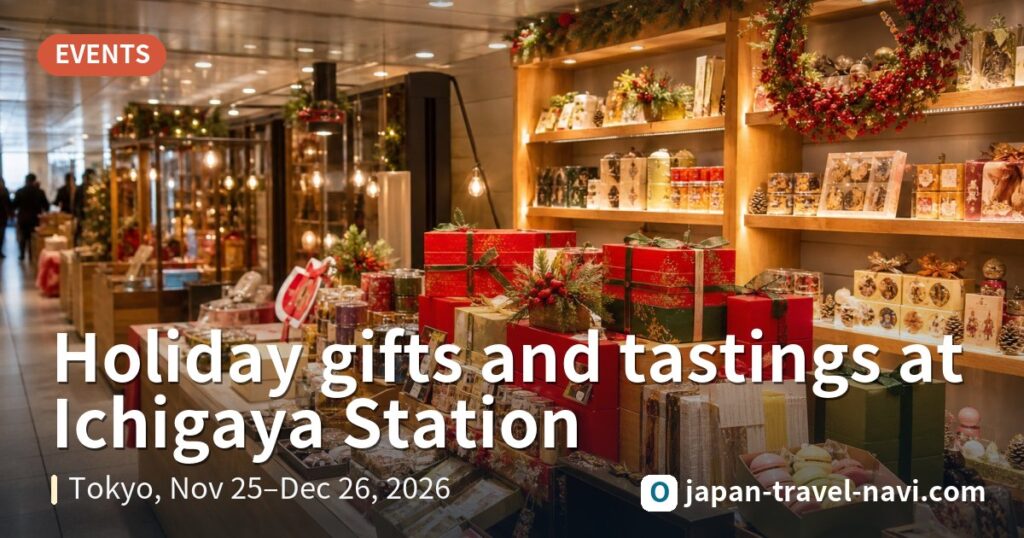 Christmas Shopping Pop-up at Ichigaya Station (Toei Shinjuku Line) Nov 25–Dec 26
 Nov 22: 20th Bakuretsu Festival – Airsoft & Tactical Gear Showcase
 Nov 28–29 Ikebukuro Sunshine City Furniture Clearance Sale – Free Entry
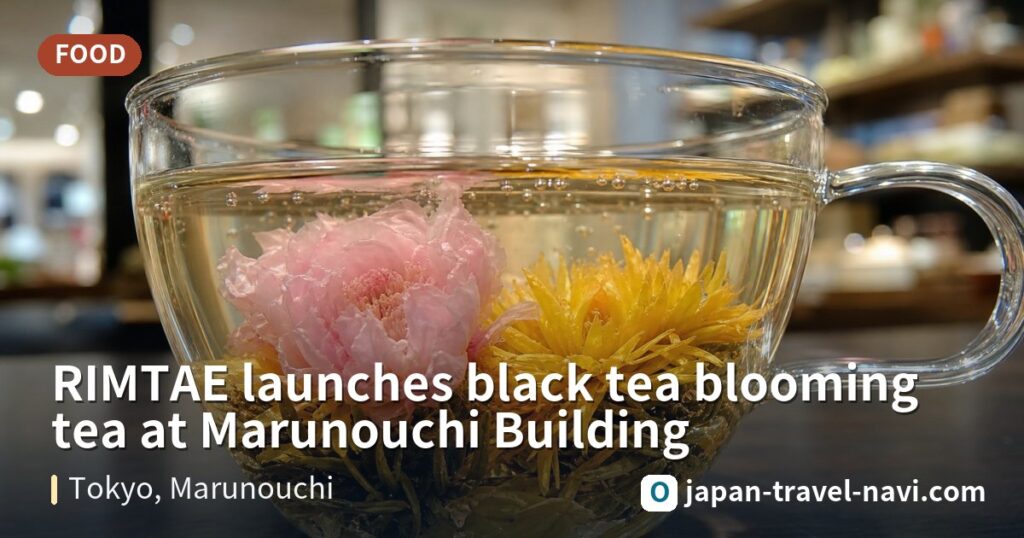 Marunouchi Building’s RIMTAE Debuts Black Tea Blooming Tea with Peony and Chrysanthemum