Getting Around Sapporo: Metro, Tram & Underground Passages — A Practical Guide
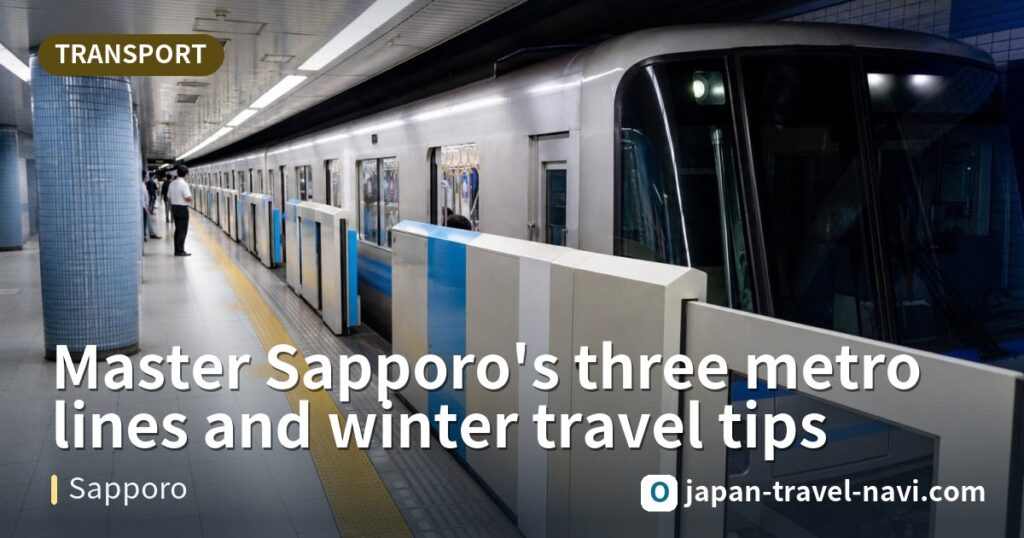
First-time visitors to Sapporo who stay near Sapporo Station or Odori rarely need a rental car. The metro and tram are sufficient to explore the city center. Spending about half an hour to understand the route map on arrival will save effort every day afterward. This guide works year-round, and the underground passages become especially valuable in winter. Just avoid rush hours in the morning and evening.
Contents
Three Metro Lines — Remember Odori as Your Transfer Hub
Sapporo has three metro lines: Namboku Line, Tozai Line, and Toho Line. All three lines intersect at Odori Station, so heading there is the safest way if you get lost.
- Namboku Line: Connects Sapporo Station, Odori, and Susukino. Tourists use this line the most — accommodations and restaurants are concentrated along it.
- Tozai Line: Runs east from Odori to Maruyama Kouen Station, ideal for a half-day trip to Hokkaido Shrine and the Maruyama area.
- Toho Line: Used mainly to reach Sapporo Dome to watch games or events. Get off at Fukuzumi Station, then walk or transfer to a shuttle bus for current details, check official information before traveling.
If your plans are concentrated around Sapporo Station, Odori, and Susukino, walking or using the Namboku Line between these three stations is convenient — no need to rush into buying a day pass. If you need to travel between different areas three or more times in a day, check the official website for day-pass options and calculate whether it’s worth it.
How to Ride the Tram: Treat It as a “Leisurely Sightseeing” Option
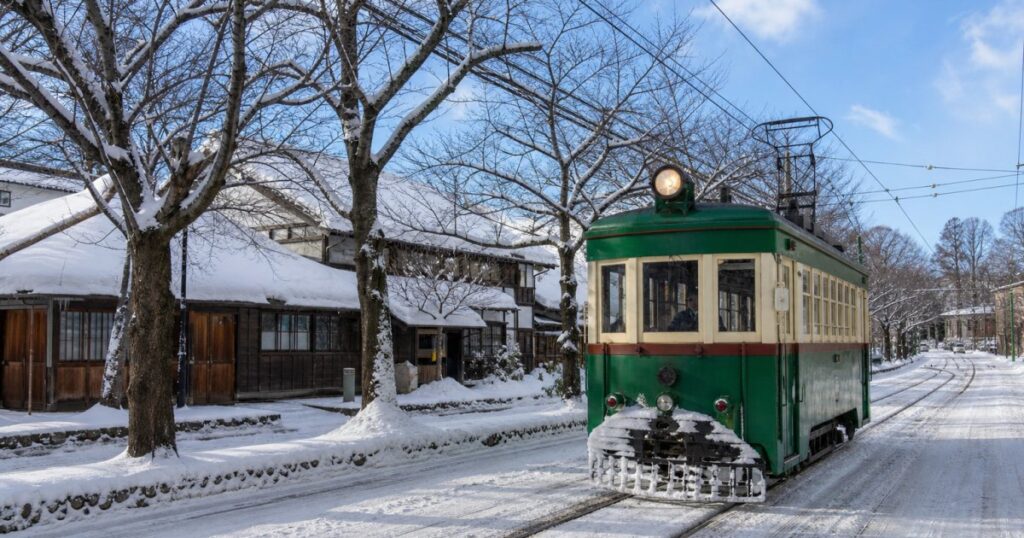
Sapporo’s streetcar (city tram) follows a loop route through the Susukino area. It’s not fast, but perfect for travelers not pressed for time. The most practical use is heading to Maruyama: take it to Ropewei Iriguchi Station, then transfer to a shuttle bus or walk up the mountain following signs.
- Check the direction of travel before boarding — if you go the wrong way on this loop route, you’ll make a long detour.
- Generally, board from the rear door and pay when exiting from the front. You can use nationwide transportation IC cards, but check official information about applicable coverage before traveling.
- Best to ride during the day when weather is stable. For evening trips to your hotel or restaurant, the metro is more punctual.
Underground Passages and Metro Connections
Between Sapporo Station and Odori, there’s the Sapporo Station Front Passageway (チ・カ・ホ) with indoor walking space for about 10 minutes. Between Odori and Susukino, underground shopping streets like Aurora Town (オーロラタウン) and Pole Town (ポールタウン) offer connections.
- Sapporo Station to Odori: Use the underground passage when it rains or snows. If the weather is nice and you want street views, walk aboveground and explore Odori Park instead.
- Odori to Susukino: Just one station apart. Use the underground street if you’re cold after dinner; take the Namboku Line if you’re tired.
- If you have lots of luggage, use exits with elevators. Underground passages have many connection points — check exit signs before leaving the station to avoid taking the long way.
Winter Travel Tips
In winter, Sapporo’s metro is largely unaffected by weather, while the tram and buses may be delayed by snow. When planning your itinerary, follow this principle: “metro for major attractions, walking for short distances.”
- Add an extra 15–20 minutes of buffer time for transfers, especially if catching a flight from New Chitose Airport.
- Wear shoes with non-slip soles — the junction between station entrances and sidewalks is the most slippery and accident-prone.
- Heating is strong indoors. Dress in layers so you can quickly remove your jacket after entering a station and avoid getting cold when stepping back outside.
- On blizzard days, swap outdoor attractions for underground shopping streets, department stores, and indoor facilities. If you need to travel to suburban areas, consider rescheduling those trips.
Transport and Itinerary Reminders
- After arriving at Sapporo Station, confirm your route and exit inside the station. Odori is where all three lines meet, making transfers most convenient.
- Trams and buses are more prone to snow delays. When time is tight or you have a flight, prioritize the metro.
- During rush hours (morning and evening), cars are crowded. If carrying large luggage, avoid these times or store it at your hotel or station lockers.
- Check your map app before boarding and confirm the last train time. If you plan to spend time in Susukino after dinner, pay attention to schedules — check official information for the latest details.
- Take your time on platforms and stairs in winter; if your shoe soles collect snow, you may slip. On snowy days, allow extra time for an additional train.
- If driving into the city, parking in the downtown area and winter road conditions are complex. Consider parking outside the city center or at your accommodation, then using the metro for the city.
This article was prepared by the Japan Travel Navigation editorial team. Attraction and transportation information may change — please verify with individual facilities and official announcements before traveling.
Please follow the latest official information.
This article was translated from our Traditional Chinese edition.
Related reading
 Kyoto by foot, bike, and taxi: how to combine them for the best use of time and energy
 Getting to Arashiyama: Comparing JR, Randen, and Hankyu Transit Options
 How to Get from Kansai Airport to Kyoto: Express Trains, Buses, Late Arrivals & Return Options
 Kyoto Metro, JR, Keihan & Hankyu: Complete Transit Guide to Skip Bus Traffic