Sapporo Market Seafood Bowl Guide: Peak Seasons for Sea Urchin, Salmon Roe, Crab and How to Avoid Tourist Prices
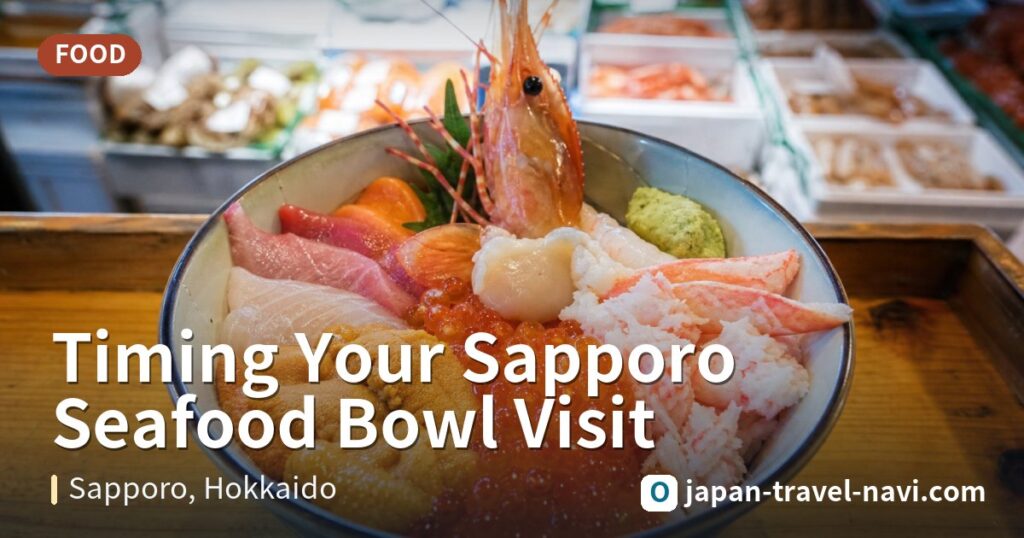
Want to enjoy a quality seafood bowl in Sapporo? It’s perfect for seafood lovers who don’t mind waking up early. Plan to spend about 1.5 to 2 hours total, including queuing, eating, and browsing the market. Aim to arrive between 8 a.m. and 10 a.m. when crowds are lighter and ingredients are most abundant. Markets typically open early in the morning, and many shops close by early afternoon, so check official information before you go.
Contents
Decide What You Want First, Then Pick the Season
Sea urchin, salmon roe, and crab have different peak seasons, so a single bowl may not feature all three at their best. Sea urchin is most iconic in summer—Hokkaido’s common varieties have slightly different peak times, but this season offers distinctly sweet flavor and creamy texture. Salmon roe shines in autumn, when you’ll find freshly prepared soy-marinated ikura with plump, bursting grains. Crab varieties abound, with hair crab, king crab, and snow crab all circulating at different times; some may be frozen or imported, which doesn’t mean poor quality, but check the menu carefully. If your trip is fixed for winter, don’t insist on sea urchin—try a combination of salmon roe and crab instead; you’ll usually be more satisfied.
How to Time Your Market Breakfast Visit
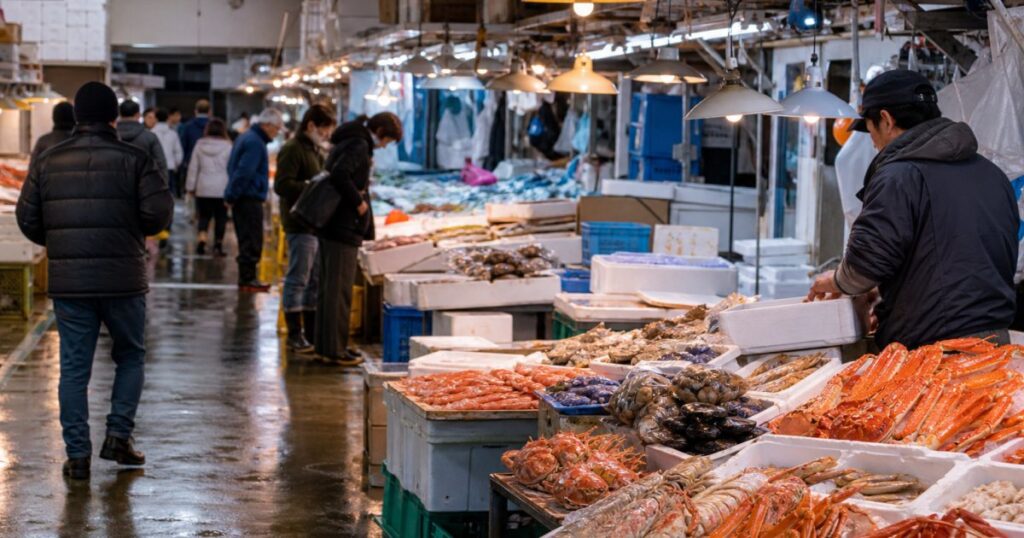
Seafood bowls are best enjoyed as breakfast or brunch at the market, not as an afternoon meal. Suggested order: walk around the market perimeter first to check menus, then pick a shop and sit down, and after eating, browse the seafood and dried goods stores. On weekends or during peak tourism season, popular shops start drawing queues after 10 a.m., so arriving early saves time, or avoid midday. If it rains, Nijo Market (二条市場) has covered areas in places, but plan extra time for wet and cold conditions—wear waterproof shoes.
Understanding Menus and Pricing
Several terms on menus need explanation. “Jikka (時価)” means the price fluctuates based on the day’s deliveries—confirm the exact amount with staff before ordering. “Nokkeburi (のっけ丼),” a self-serve topping bowl, lets you pick ingredients to stack on rice; each additional item adds cost, and it’s easy to overspend, so set a budget limit first. Crab is often priced by weight; confirm whether you’re getting whole, half, or already-shelled meat. Ask if sea urchin has been treated with alum (ミョウバン)—untreated tastes cleaner but costs more. Before ordering, check if the price includes tax, whether soup is included, and confirm payment methods to avoid surprises at checkout.
Spotting Fair Prices vs. Tourist Traps
The simplest method is to walk around, check three shops, then decide. Vendors with clear item labels, prices, and portion descriptions are usually reliable. Avoid shops constantly calling customers outside, displaying only photos with no clear prices, or menus showing only “jikka” with staff unwilling to explain. Compare photos too: a bowl piled high in pictures may have far less sea urchin in reality—ask staff to show portion size or point to a sample. If buying seafood souvenirs, confirm shipping options or whether items comply with airline regulations before impulse buying.
Choosing Between Nijo Market and Sapporo Exterior Market
Visitors with itineraries centered downtown should try Nijo Market, which is a 10-minute walk from Odori Park and Susukino—ideal for breakfast followed by a stroll in the park. Those willing to spend extra travel time for more variety can consider Sapporo Exterior Market (札幌場外市場), which has more shop types, but requires subway or bus access; use a map app to confirm routes. You don’t need to spend all day at either—about 1 to 1.5 hours each is ideal.
Travel Tips
- Prioritize public transit: Nijo Market is walkable from Odori Park or Susukino with no transfers needed; Sapporo Exterior Market requires subway or bus, so check map apps for routes and schedules beforehand.
- Going early is most economical: Aim for 8 a.m. to 10 a.m. to avoid queues; hours vary by shop, so confirm current details before departing.
- Store luggage first: Browsing with large bags is inconvenient—use hotel or station lockers, then travel light. If buying seafood souvenirs, confirm whether shops offer shipping or cold packaging in advance.
- Winter and rainy-day precautions: Market surroundings may have ice or snow in winter—wear slip-resistant shoes and walk slowly; on rainy days, bring a compact umbrella to avoid blocking others.
- If driving: Parking around markets is limited and fills up during busy times; locate parking in advance or park at a larger facility in the city center and walk over.
- Stay flexible with your schedule: After the market, you can connect to Odori Park or other Sapporo attractions; if queues get too long, try the other market or reschedule for next morning instead of waiting it out.
This article was compiled and written by the Japan Free Travel Information Station editorial team. Attraction and transit details may change; please verify with official announcements before departure.
Please confirm current details with official sources.
This article was translated from our Traditional Chinese edition.