Osaka Amazing Pass: How to Make It Worth It—Free Facilities, Sample Routes & Who Should Skip It

The Osaka Amazing Pass (大阪周遊パス) suits visitors who want to concentrate on multiple paid attractions across Osaka city in a single day—ideally visiting 2–3 paid facilities to break even on cost. Plan a full day starting early, before attractions open, to maximize your pass value. If you’re mainly shopping, eating, or your itinerary relies on JR trains, you may not need one.
Contents
First: Understand What’s Included
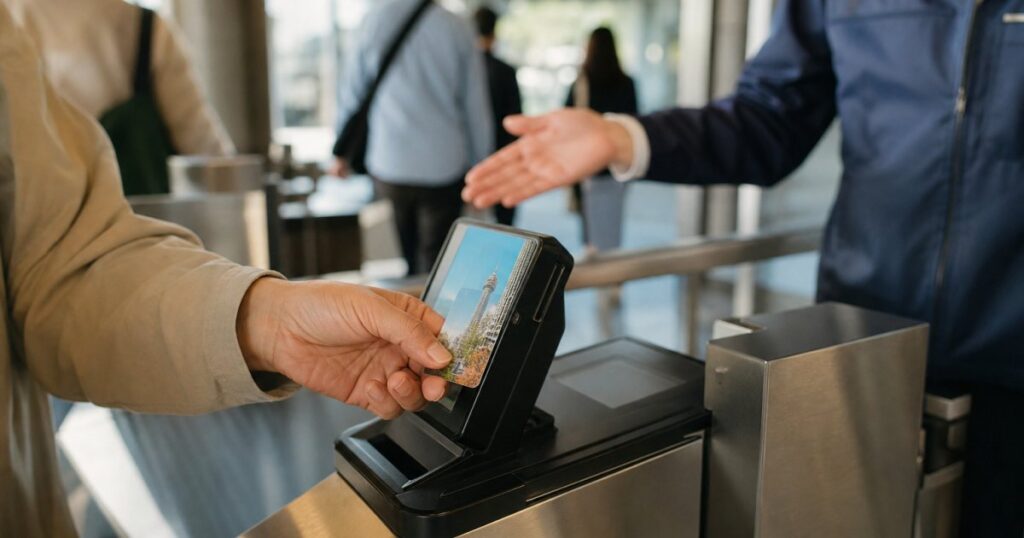
The pass breaks into two parts: unlimited travel on subways, trams and buses within the designated zone, plus free or discounted entry to selected facilities. Common free attractions include observation decks, castles and history museums, science and cultural institutions, plus some boat tours and Ferris wheel experiences. Always check the official list to confirm whether each facility offers free entry or only a discount, and which popular spots aren’t covered. Before you go, match your wish list against the official roster—don’t assume “pass” means everything is included.
How to Plan a Day Worth the Cost
Strategy: visit paid facilities first, especially those with early opening times, then save observation decks for late afternoon. Here’s a common, efficient route:
- Morning: Osaka Castle. Start with Osaka Castle Park, then tour the main keep (Tenshu-kaku); allow about 2 hours. Crowds build after noon, so arriving early is more comfortable.
- Midday to afternoon: Take the subway to Tempozan area (Minato ward). A 30–40 minute journey with one transfer from the castle area. This zone has the Ferris wheel and boat tours; if you also want to visit Osaka Aquarium, check whether admission is included first, and plan separately if not.
- Evening: Return to Umeda for night views. About 30 minutes back by subway. Visit the observation deck around sunset to see both daytime and night scenery.
If you want to include Namba and Dotonbori, save them for last as your dinner and stroll destination—they don’t require admission, so you can visit them en route without changing your main plan.
Transit Coverage: Check the Map Before Booking Accommodation
The pass covers subways, trams and city buses across central Osaka, plus selected sections of private railways. This means moving between Umeda, Shinsaibashi, Namba and Tennoji is straightforward. However, the JR Loop Line is often not included, and whether connections to Kansai International Airport, Kyoto or other cities are covered depends on the official zone map—don’t rely on memory. If your hotel is near a JR station, plan ahead for which segments require separate payment.
You May Not Need This Pass If…
In these cases, consider single-trip tickets, a subway day pass, or a reloadable transit card instead:
- You’re visiting only one paid attraction per day. Too few free entries to recoup the cost.
- Your itinerary focuses on shopping, cafes and dining. Travel between areas is light anyway, so costs are low.
- You plan heavy JR use or day trips to Kyoto or Nara. The pass transit zone won’t help.
- You prefer sleeping in and browsing leisurely. Attractions have limited hours—you may not see everything.
Simple calculation: add up entry fees for facilities you plan to visit plus estimated daily transit costs, then compare to the pass price. If the difference is small, choose the flexible option; if it’s significant, buy the pass.
Final Reminders Before Use
Ticket format, activation method and validity period are set by official announcements—confirm these before departure. On rainy days, swap outdoor attractions (Osaka Castle Park, Ferris wheel) for indoor museums and science centers. For observation decks, decide order based on weather visibility.
Travel Tips
- Plan a broad route using subway lines: Limit yourself to 2–3 zones per day to avoid wasted travel time.
- Avoid rush hours: Subways are crowded early morning and evening. If traveling with luggage or a stroller, consider using buses or traveling off-peak.
- Check first and last train times: Before heading to an observation deck for night views, confirm the last train home to avoid being stranded.
- JR segments require separate payment: The pass usually excludes JR. Watch station signs carefully to avoid accidental entry and extra charges.
- Have a backup plan for popular attractions: Holiday crowds can be long. Think of an alternative nearby—if waits are too long, switch plans without stress.
- Check official details one more time before departure: Coverage zones, facility lists and rules may change. Final confirmation is safest.
This article is compiled and written by the Japan Free Travel Information Station editorial team. Attraction and transport details may change; please confirm with each facility and official announcements before departure.
For the latest details, always refer to official announcements.
This article was translated from our Traditional Chinese edition.