Day Trip from Osaka to Kobe for Wagyu: Teppanyaki vs. Yakiniku and How to Book
Visitors planning a proper Kobe beef meal during an Osaka trip without spending the whole day traveling will find a half-day visit to Kobe ideal. The train ride takes about 30 minutes one way, and 3–4 hours total (including dining and a short walk) is enough. Lunch is recommended for those with tight schedules; dinner suits those who enjoy a leisurely pace and can book well in advance.
Contents
Teppanyaki vs. Yakiniku: What’s the Difference?
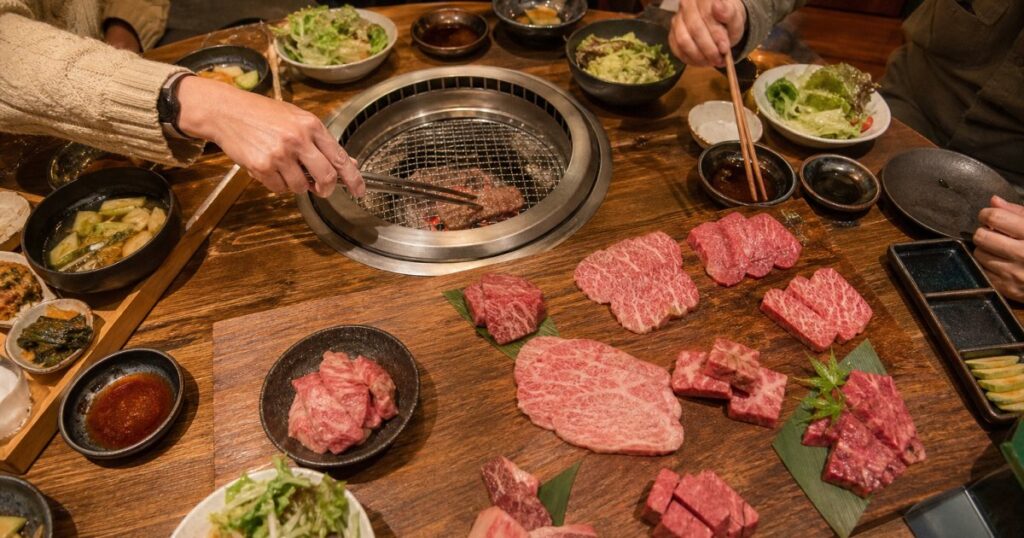
Teppanyaki (鉄板焼き) is where a chef cooks the meat in front of you, cuts it into portions, and serves it one piece at a time. The focus is on heat control and the meat’s natural flavor, the pace is calm, and it’s ideal for those who want to savor the marbled texture slowly. Yakiniku (焼肉) is where you grill the meat yourself on a table grill or net. You can order different cuts to compare, the atmosphere is relaxed, it works well for groups of 3–4, and portions are easy to adjust.
Simple guidance: first time trying Kobe beef and want the complete wagyu experience, choose teppanyaki; want to sample multiple cuts and enjoy a lively group meal, choose yakiniku. If someone in your group prefers leaner meat, yakiniku offers more flexibility with cut selection.
Lunch or Dinner?
Lunch is the better choice for most visitors. Many restaurants offer smaller portion lunch sets at more affordable prices than dinner, and you’ll have the whole afternoon to explore Sannomiya, Motomachi, and the Kobe waterfront. Aim to be seated around 11:30 a.m. to avoid the midday rush and reduce scheduling pressure before and after.
Dinner offers more variety and full-course options, but factor in the return journey: while trains run frequently from Kobe back to Osaka, plan for about 1 hour of buffer time after your meal to avoid scrambling for your next connection. If you want to see the night view, eat dinner first, then stroll to the Kobe waterfront before heading back to Umeda or Namba without rushing.
Reservation Tips
Popular teppanyaki restaurants have limited seating and often fully book days in advance, especially on weekends and holidays. Reserve 1–2 weeks before your trip. Use the restaurant’s official website reservation form, or ask your hotel concierge to book on your behalf; if the restaurant only accepts Japanese-language reservations, having the concierge arrange it is most convenient.
When reserving, confirm the number of guests, any dietary restrictions, which set menu you prefer, and how long the table will be held. Arriving too late may result in cancellation. If you need to change or cancel, contact the restaurant promptly. If you prefer to try your luck, yakiniku restaurants at lunch are more likely to accommodate walk-ins, but reservations are always more reliable. Verify details and current information on the restaurant’s official site before departure.
Identifying Authentic Kobe Beef
Kobe beef (神戸ビーフ) is a strictly defined brand: it must be Tajima cattle from Hyogo Prefecture and meet specific meat quality and processing standards. So if a menu lists “black wagyu,” “Kobe-style,” or “Hyogo-produced,” it’s not necessarily authentic Kobe beef. Check the wording carefully before ordering.
Three practical ways to verify authenticity: first, look for an official certification mark at the restaurant entrance or on the menu; second, ask the staff if they can provide the individual identification number (個体識別番号) — genuine Kobe beef can usually be traced to its source; third, check if the menu clearly states “Kobe beef” or “Tajima cattle” rather than vague descriptions. If you’re uncomfortable asking, look for a certificate of authenticity or information card, which is also a good reference.
What to Do After Your Meal
Don’t head straight back to Osaka after eating. Sannomiya to Motomachi is walkable and easy to combine with your meal plans. Browse the shopping streets, have a coffee, and give yourself 1–2 hours to digest. If it rains, visit a shopping mall or underground arcade instead to avoid getting wet. For harbor views, take the train or walk to Kobe’s waterfront—the light is best at dusk—then return to Umeda or Namba. This rhythm keeps your whole day flowing smoothly.
Travel Tips
- From Osaka, JR, Hankyu, and Hanshin lines all serve Kobe’s Sannomiya; the train ride is about 30 minutes. Choose the station closest to your accommodation. From Namba, take the Hanshin line for a 40–50 minute ride.
- For lunch, aim to be seated around 11:30 a.m. For dinner, leave at least 1 hour of buffer time for your return journey to avoid being chased by the last train.
- Before reserving, confirm the number of guests, dietary restrictions, and table hold time. If the restaurant only accepts Japanese reservations, ask your hotel concierge to book for you.
- When you see terms like “black wagyu” or “Kobe-style,” verify that it’s authentic Kobe beef; ask for the individual identification number or certificate of authenticity if needed.
- If it rains or the area is crowded, swap outdoor sightseeing for indoor shopping malls and underground arcades so you can better manage your time and energy.
- Before departure, check the latest train schedules and fares for each railway and JR line, and save route and station names on your phone.
This article was compiled and written by the Japan Self-Guided Travel Information editorial team. Attractions and transportation information may change; please verify details with each facility and official announcements before your visit.
Always follow the latest official information.
This article was translated from our Traditional Chinese edition.