Day Trips from Osaka to Kyoto, Nara & Kobe: Which Train Line & How to Avoid Crowds on the Way Back
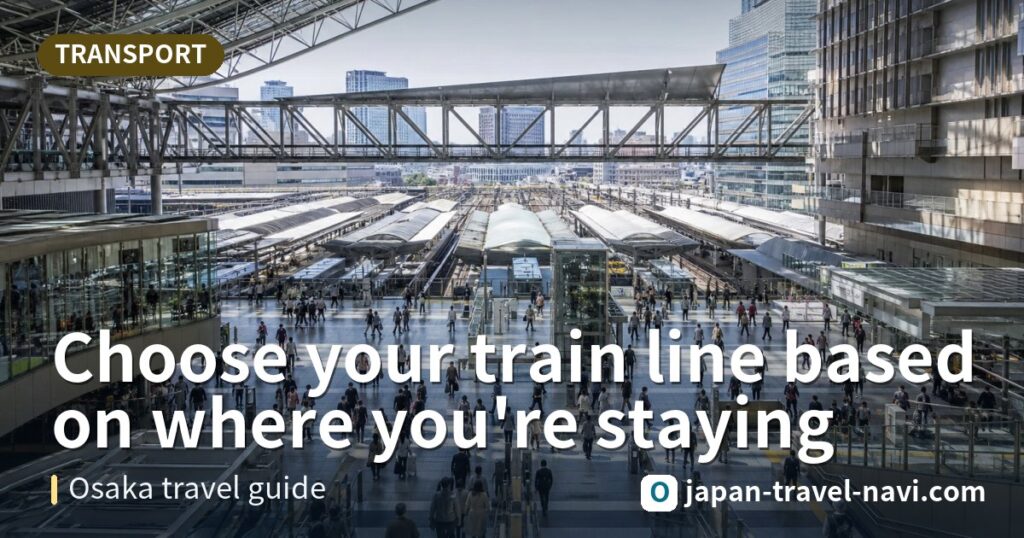
Kyoto, Nara and Kobe all make perfect day trips from Osaka, with single journeys taking roughly 20 to 50 minutes—no need to change accommodation. The strategy is simple: depart around 9am and return before 5pm to dodge the worst evening crowds. The key to choosing your route isn’t finding the fastest line, but picking the one most convenient from where you’re staying and closest to your destination.
Contents
- Start with your accommodation station, then pick your line
- Kyoto: JR for speed, private railways for proximity to the city
- Nara and Kobe: let your destination determine the station
- Reserved vs. unreserved seating: understand before you buy
- Evening rush hour: how to dodge the crowds
- Transport and itinerary reminders
Start with your accommodation station, then pick your line
Staying near Umeda or Osaka Station? Kyoto and Kobe are most convenient—Hankyu, Hanshin and JR all depart from this area. Staying in Namba? Nara is easiest: Kintetsu runs directly from Namba to Nara. Based in Tennoji? Use JR’s Yamato Line to Nara. Check a map app for the station closest to your accommodation and depart from there directly. Skipping an extra transfer to catch the “fastest” line saves more effort than you’d gain.
Kyoto: JR for speed, private railways for proximity to the city
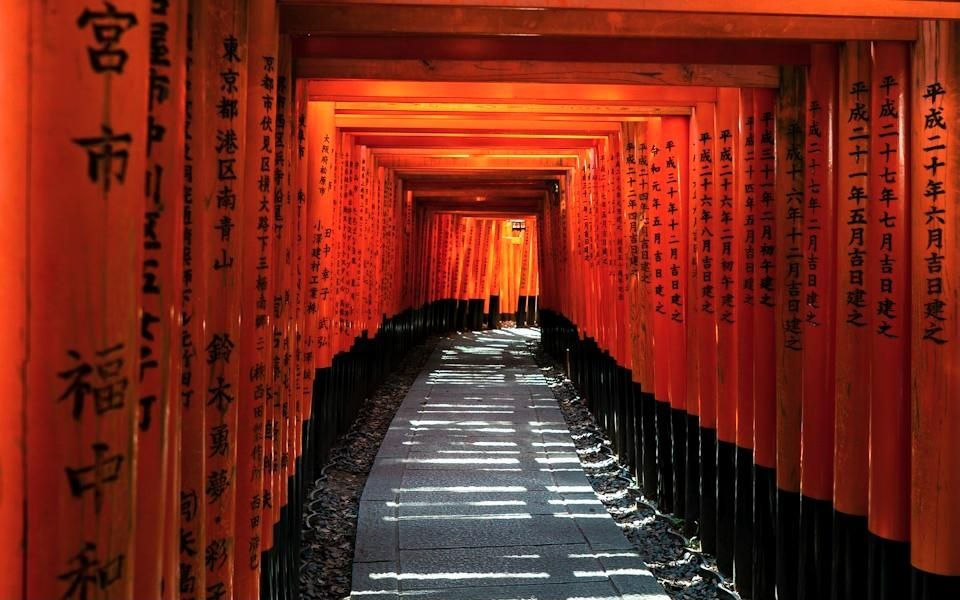
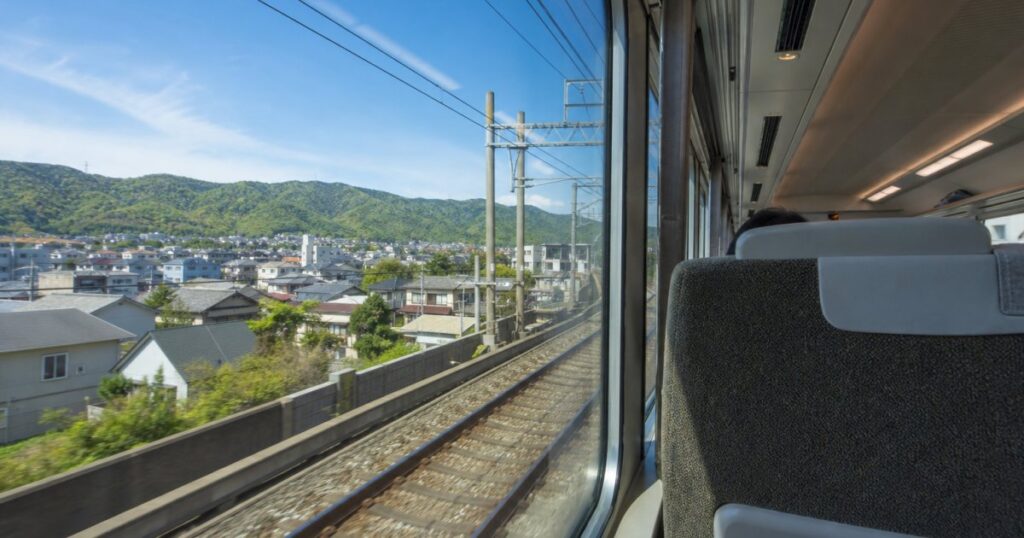
From Osaka Station, JR Shin-Kaisoku (rapid service) reaches Kyoto Station in about 30 minutes with no transfers—ideal for first-timers heading to Kiyomizu-dera or Fushimi Inari Taisha first, then catching local buses or the JR Nara Line. Want to explore central Kyoto and the Gion area? Take Hankyu from Umeda to Kawaramachi (about 45 minutes), or Keihan from Yodoyabashi to Gion-Shijo (about 50 minutes). These lines are slower, but you’ll exit directly into the bustling district, skipping the extra transfer from Kyoto Station. The Shinkansen from Shin-Osaka to Kyoto takes only about 15 minutes, but you’ll need extra time getting to Shin-Osaka first—usually not worth it unless you’re already staying there.
Nara and Kobe: let your destination determine the station
For Nara, Kintetsu from Namba to Kintetsu-Nara Station takes about 40 minutes and is closer to Nara Park and Todai-ji Temple than JR Nara Station—recommended for first-timers. JR from Tennoji takes 40–50 minutes; choose this if you’re staying in Tennoji or already have a JR pass. For Kobe, JR Shin-Kaisoku from Osaka Station to Sannomiya takes about 20 minutes—the fastest of the three routes. Hankyu and Hanshin from Umeda to Kobe-Sannomiya take about 30 minutes with stations closer to the entertainment district; take Hanshin if you’re heading to Motomachi or the Chinatown area.
Reserved vs. unreserved seating: understand before you buy
Most short-distance Kansai routes don’t require advance reservations. JR Shin-Kaisoku, Hankyu and Hanshin standard cars all have unreserved seating (jiyū-seki)—find a seat on a first-come, first-served basis, though you may stand during peak hours. Extra tickets are mainly needed for Kintetsu limited express, Keihan premium cars (プレミアムカー) and the Shinkansen; these seats are reserved (shitei-seki) and usually require an additional fare or express surcharge. Worth considering if you have lots of luggage, want to nap, or are traveling with family on a holiday; for a short 30-minute journey, a standard car is enough. Check official websites for the latest ticket information before you go.
Evening rush hour: how to dodge the crowds
The busiest times are 5pm to 7pm, especially on weekends and during cherry blossom or autumn leaf season. JR Shin-Kaisoku from Kyoto Station isn’t a terminus—it may already be full when it arrives. Let one or two trains pass, or try your luck at the front or rear of the car. If taking Hankyu from Kawaramachi back to Umeda, Kawaramachi is the starting point, so you’ll have better luck finding a seat. Sunday evenings, Kintetsu from Nara is also packed; grab an early dinner near Nara Park and wait for the crowd to thin out. Kobe to Osaka has frequent service, so crowding is less of a worry, but still avoid weekday rush hours.
Transport and itinerary reminders
- Double-check your departure and destination stations before boarding: JR Osaka Station and Hankyu Umeda Station are about a 5–10 minute walk apart—don’t assume they’re the same.
- Get a regional IC card that works across Kansai (JR, private railways, subway and buses), saving time on multiple ticket purchases.
- Before boarding Kintetsu limited express, Keihan premium cars or the Shinkansen, confirm whether your ticket is for reserved or unreserved seating to avoid ending up in the wrong car and needing to pay extra or move.
- Try to leave by 5pm for your return journey, or wait until after 7pm. Check official timetables for the last trains before you depart.
- Leave large luggage at your Osaka accommodation or use a station locker to avoid squeezing into peak-hour trains with baggage.
- If it rains or crowds are overwhelming, switch Kyoto plans to mostly indoor attractions, or head to Kobe instead—its city attractions are more concentrated and moving around is less stressful.
This article was compiled and written by the Japan Travel Navigator editorial team. Attractions and transport information may change; please verify with each facility and official announcements before you depart.
Please refer to official announcements for the latest information.
This article was translated from our Traditional Chinese edition.
Related reading
 Kyoto by foot, bike, and taxi: how to combine them for the best use of time and energy
 Getting to Arashiyama: Comparing JR, Randen, and Hankyu Transit Options
 How to Get from Kansai Airport to Kyoto: Express Trains, Buses, Late Arrivals & Return Options
 Kyoto Metro, JR, Keihan & Hankyu: Complete Transit Guide to Skip Bus Traffic