Half-Day Walk in Ohara Sanzen-in: Timing Your Buses and Seasonal Highlights
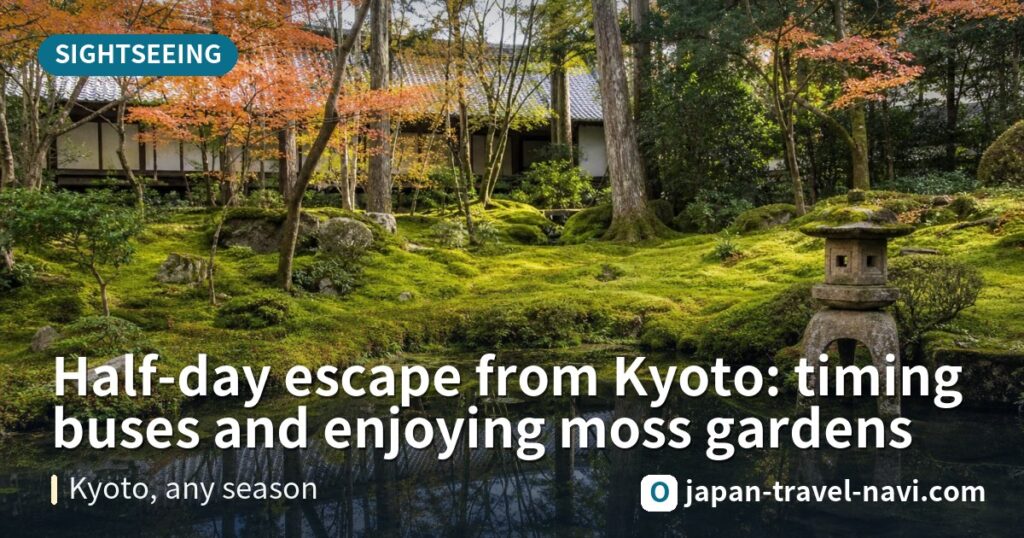
If you’re looking to escape Kyoto’s busy central attractions and enjoy a slower pace, Ohara Sanzen-in (大原三千院) is worth adding to your itinerary. Plan for a half-day trip (including roughly 4–5 hours for round-trip transport), departing early morning before tour groups arrive for the most comfortable experience.
Contents
- Getting There by Bus: Timing Matters More Than the Destination
- Route Inside the Temple: Guest Hall First, Garden Next, Then the Amida Hall
- The Moss Garden and Amida Hall: Look for Details, Not Just Green
- Seasonal Differences: Choose Your Departure Month Based on Preferred Views
- Rural Atmosphere: Leave Time to Explore Beyond the Temple
- Transportation and Trip Reminders
Getting There by Bus: Timing Matters More Than the Destination
Ohara is located north of Kyoto with no direct train service—buses are the main option. From Kyoto Station, the bus journey takes about 1 hour. If you’re staying in the Kita or Sakyo wards, you can take the subway to Kokusai Kaikan Station and transfer to a bus, cutting travel time roughly in half. Buses run less frequently than in the city, so check the official timetable before you go and note the final return bus times.
On weekends and during autumn foliage season, mountain roads can get congested and buses may be delayed. Plan for an extra 30 minutes of buffer time beyond the usual schedule. After getting off, it’s a 10-minute uphill walk along a path beside a small stream to reach the temple. Wearing comfortable walking shoes will make the climb easier.
Route Inside the Temple: Guest Hall First, Garden Next, Then the Amida Hall
The layout at Sanzen-in guides you gradually deeper into the temple complex. Start by sitting in the guest hall (Kyakuden/客殿) and inner hall (Shinden/宸殿) area, viewing the garden through the verandah—this is the best spot for photos and rest. Then venture deeper into the garden itself, and finally head to the Oujou Gokurakuin Hall (往生極楽院).
A leisurely full tour takes about 1–1.5 hours. If it’s rainy, don’t give up: the moss appears deeper green, and the verandahs offer shelter. Just watch your footing on wet stone steps and paths.
The Moss Garden and Amida Hall: Look for Details, Not Just Green
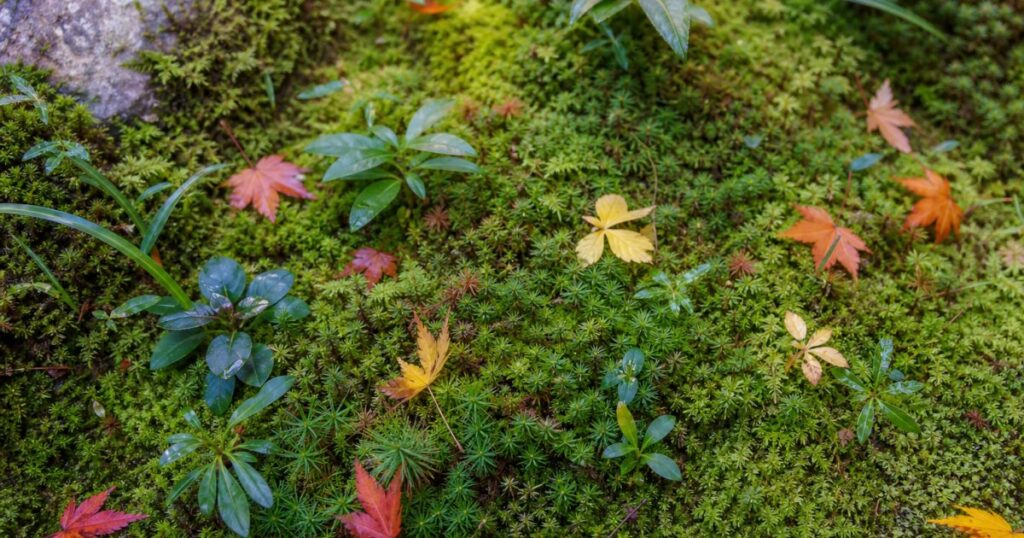
Sanzen-in is famous for its expanse of moss and the small stone child Jizo statues (わらべ地蔵) dotting the garden. Crouch down to get a low-angle view—observing the layered relationship between the Jizo figures and moss from ground level is more rewarding than standing photographs.
The highlight of Oujou Gokurakuin Hall is the Amida trinity statue inside and the distinctive boat-shaped ceiling (船底天井). Pause before entering and look inward along the architecture’s lines to better grasp the temple’s atmosphere. Space inside the hall and verandahs is limited; if it’s crowded, avoid lingering in one spot.
Seasonal Differences: Choose Your Departure Month Based on Preferred Views
- Spring: Fresh leaves and blossoms overlap, the air is crisp, and crowds are lighter than autumn. Ideal for quiet walks.
- Early Summer: Moss is at its brightest green, and fresh growth combined with post-rain mist creates layered garden beauty—perfect for photographing the moss garden.
- Autumn: Maple leaves peak with the most dramatic scenery, but expect larger crowds and traffic delays. Depart early on a weekday and plan your return carefully.
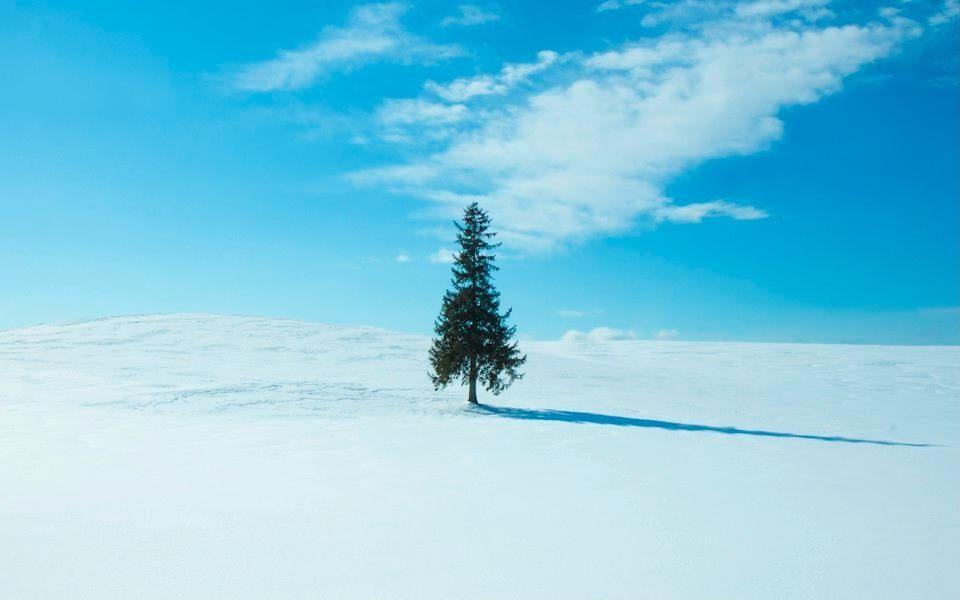
- Winter: Cold temperatures can bring snow, making the garden feel like an ink-wash painting; however, mountain areas are colder than the city, so dress in extra layers and watch for icy paths.
Rural Atmosphere: Leave Time to Explore Beyond the Temple
Half of Ohara’s charm lies outside the temple walls. After visiting Sanzen-in, walk slowly back along the small stream and farm paths—you’ll often find local vegetables and pickles sold by farmers, a genuinely local experience. If you have time, consider also visiting nearby Jakkoin Temple in the same trip; confirm bus schedules or walking times beforehand to avoid missing your return bus.
Lunch doesn’t require a trip back to the city—eat locally in Ohara. However, seating may be limited during off-peak hours, so consider dining early or late to avoid the midday rush.
Transportation and Trip Reminders
- Check the timetable first: Confirm outbound and return bus times on the official website before you leave, especially the final evening buses, to avoid getting stranded in the mountains.
- Allow for delays: On weekends and during foliage season, road congestion can slow buses significantly. Plan looser schedules for later activities, such as dinner reservations.
- Don’t forget your transit card: Before boarding buses or the subway, verify your card balance or payment method is working, and double-check when you exit.
- 10-minute uphill walk: There’s a slope after the bus stop—wear comfortable shoes. On rainy days, stone paths are slippery; lighter luggage helps.
- Have a flexible backup plan: In case of heavy rain or unstable weather, postpone Ohara to the next day and visit indoor attractions in central Kyoto instead.
- Respect the temple and local residents: Keep noise levels down in the temple grounds and farm paths. When photographing, avoid blocking walkways or stepping into private farmland.
This article was compiled and written by the Japan Travel Navigator editorial team. Venue and transportation information may change—please verify details with each facility and official announcements before your visit.
Please confirm current details with official sources.
This article was translated from our Traditional Chinese edition.