Niseko Skiing and Four Seasons: Powder Snow Season, Lessons and Summer Activities
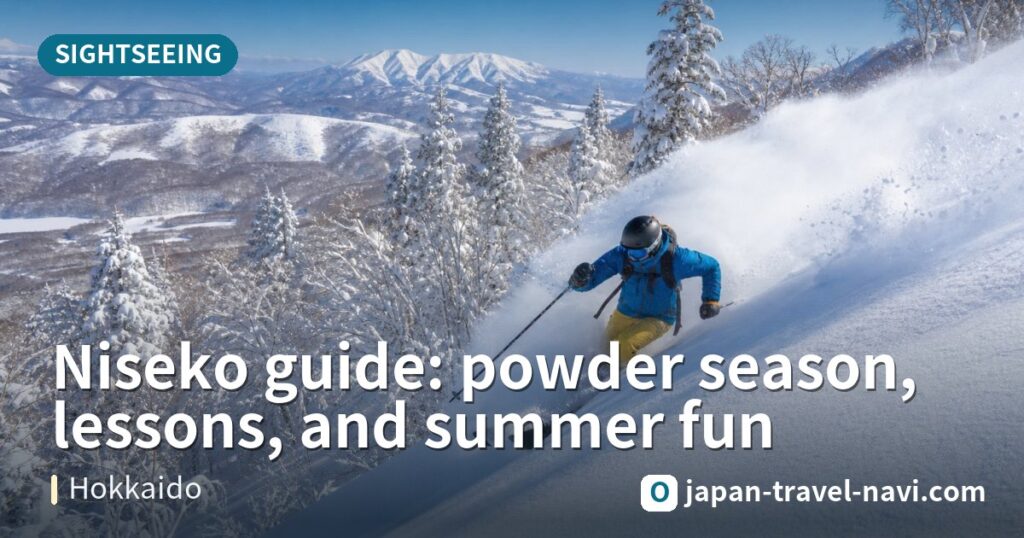
Niseko is ideal for beginner to advanced skiers wanting to experience powder snow, and equally appealing for those seeking outdoor activities in summer. Plan 4–5 days for winter, centered on mid-January through early February; 2–3 days suffice in summer, with morning departures on stable weather days being best.
Contents
Powder Snow Season Timing
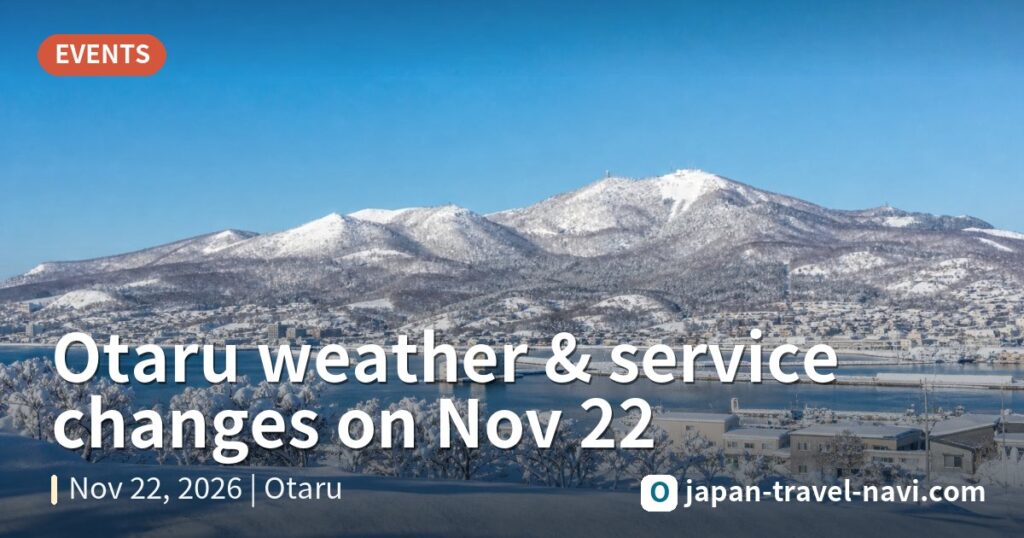
Snow conditions stabilize from mid-to-late December. January through early February brings the lowest temperatures and lightest snow—the “golden powder period” most people speak of. From late February to March, temperatures rise and snow becomes heavier, but sunny days increase and visibility improves, making conditions friendlier for beginners and photographers. Around early April, resorts close gradually; dates vary yearly. Check Niseko United’s official site for the latest information before your trip.
If powder is your priority, build one flexible day into your itinerary. Heavy snowfall can halt lifts, so schedule key skiing days mid-trip with buffer days before and after.
Planning for Beginners
Day one: skip the mountain rush. Rent equipment, take a morning lesson practicing stops and turns on gentle slopes, then soak in an onsen in the afternoon. Day two: continue half-day lessons, then practice on your own. Day three: try an easy intermediate run if energy permits. Beginners should choose late February to March for milder conditions.
Stay around Hirafu (ひらふ), where lifts and restaurants are walkable and you can rest in your room anytime—easier than shuttling daily.
Planning for Advanced Skiers
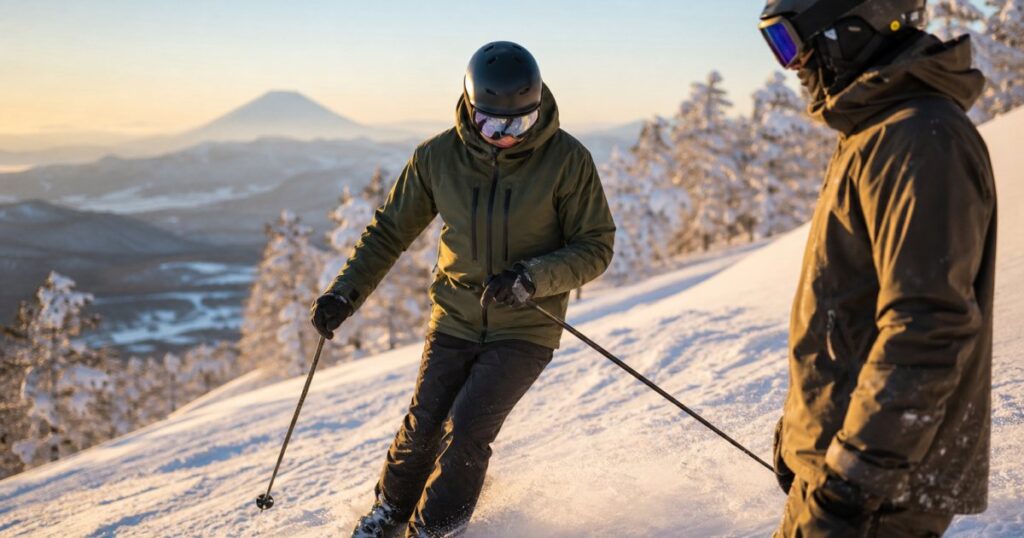
For advanced riders, timing is everything: the first morning after fresh snow, take the first lift up when the powder is untouched; after midday when slopes are tracked, move to tree runs or another section. Niseko United comprises multiple linked resorts—switch areas throughout the day rather than staying in one spot.
Off-piste terrain carries avalanche and route-finding risks and isn’t accessible simply by buying a lift ticket. Respect each resort’s open and closed zones, hire a qualified guide for backcountry skiing, and confirm your travel insurance covers snow sports.
Equipment Rental and Lesson Basics
Rental packages typically include skis (or a snowboard), boots, poles, and a helmet; some shops also rent jackets, pants, and goggles. Bring your own gloves, base layers, and socks. Boot fit matters most—visit a rental shop immediately upon arrival to try them on, and swap or adjust right away if needed.
Lessons come in group or private formats. Group lessons are budget-friendly but pace depends on fellow students; private lessons target your weaknesses and suit time-pressed visitors or those with children. Language varies by school; peak season fills quickly, so book early once dates are set and schedule your first full skiing day after arrival.
Summer Outdoor Activities
Summer Niseko is cool and offers rafting on the Shiribetsu River (ラフティング), kayaking, hiking, and cycling; Mount Yotei’s trails also draw many. For rafting, wear quick-dry clothes and bring a change and towel; for hiking, pack rain gear and sunscreen—mountain weather shifts fast.
Most activities require advance booking; water levels and weather determine whether they run, so plan a backup day. A soak in an onsen after activities is summer’s perfect finish.
Transport and Trip Reminders
- Getting There: From New Chitose Airport, take a direct bus, or transit via Sapporo or Otaru by train to Kutchan (倶知安). The Otaru–Kutchan leg runs infrequently—check schedules beforehand to avoid missing the last train.
- Winter Buffers: Heavy snow can delay buses and trains. Don’t catch your flight home the day skiing ends; spend your last night near Sapporo or the airport.
- Moving Between Areas: Shuttle buses connect resort sections; winter schedules shift with snow conditions, so verify boarding points and final departure times, and aim to stay within walking distance of a lift.
- Luggage and Gear: Rent equipment on-site, store large bags at your lodging, and travel light by bus and train.
- Safety and Equipment: Wear non-slip boots on snow, obey resort closure rules, and verify your travel insurance covers skiing and outdoor sports.
- Summer Transport: Summer transit is sparse; when booking rafting and other activities, ask about pickup service and allow plenty of time to return to Sapporo or the airport.
This article is compiled and written by the Japan Travel Navigator editorial team. Attraction and transport details may change; confirm the latest information from official sources and venues before departure.
Details are subject to official updates.
This article was translated from our Traditional Chinese edition.