How to Explore Nijo Castle: Palace Routes, Nightingale Floors, Cherry Blossoms and a Day Trip with Kyoto Imperial Palace
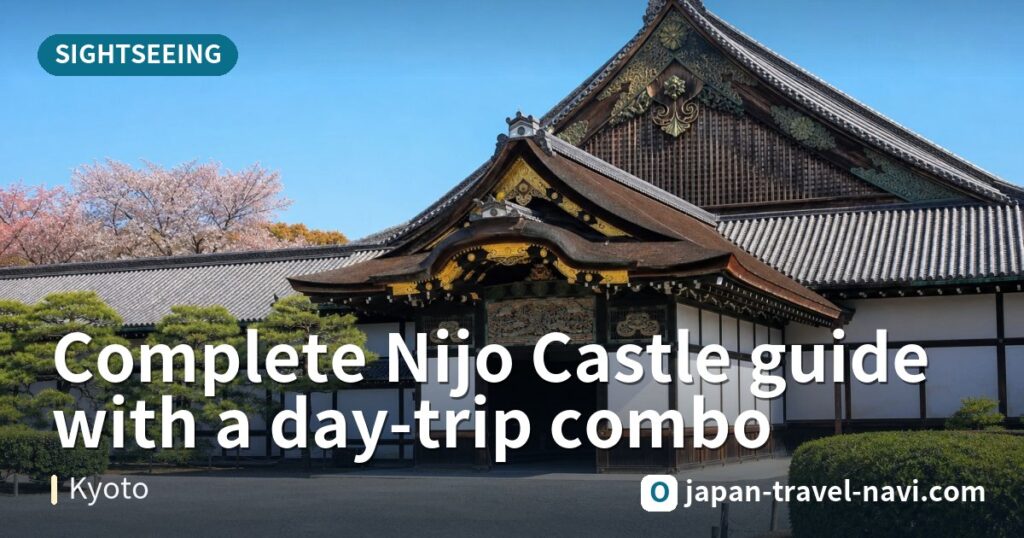
Nijo Castle is ideal for first-time visitors to Kyoto who want to understand the differences between samurai and imperial culture in half a day. Plan for about 1.5–2 hours; add another hour if you want to explore the gardens and cherry blossoms (2.5 hours total). To avoid crowds, arrive right when the gates open—tour groups typically arrive later. Combine it with Kyoto Imperial Palace for a relaxed full day.
Contents
- Understanding the Route: From the East Gate to the Gardens
- Highlights Inside the Palace: Nightingale Floors and the Great Hall
- Gardens and Honmaru: Save Them for Your Final Stroll
- Cherry Blossoms and Night Illuminations: Timing is Everything
- Pair It with Kyoto Imperial Palace for a Full Day: Samurai First, Then Royalty
- Transportation and Trip Tips
Understanding the Route: From the East Gate to the Gardens
Exit at the subway station and head to the Higashi-Ōte Gate entrance. Follow the path through the Karamon Gate, Ninomaru Palace, Ninomaru Garden, then toward Honmaru, and exit via the Seiryuen area. Most visitors spend time in the palace, so finish it first and save your remaining energy for the gardens and Honmaru. Photography is mostly prohibited inside the palace—follow on-site instructions. Wear easy-to-remove shoes since you’ll walk barefoot on wooden floors throughout. In winter, consider wearing an extra pair of socks.
Highlights Inside the Palace: Nightingale Floors and the Great Hall
The corridors of Ninomaru Palace feature the famous “nightingale floors” (うぐいす張り)—they squeak like bird calls when stepped on, reportedly a security measure against intruders. To hear them clearly, walk slowly and avoid following directly behind large tour groups. The Great Hall (Ōhirома) is where the Tokugawa shogunate transferred power—dioramas recreate the scene, so spend a few minutes here. The golden painted sliding doors and ceiling carvings along the way are also worth looking up at. For the best exterior photos, the Karamon Gate is most photogenic—shoot it before entering the palace to avoid walking against foot traffic.
Gardens and Honmaru: Save Them for Your Final Stroll
Ninomaru Garden features a pond and stone arrangements viewable from the palace veranda, but exploring inside offers different perspectives. Once you reach Honmaru, you’ll see the stone base of the former tower with good views—climb up for a photo of the entire castle layout. Check the official website before visiting to see if Honmaru Palace is open and whether advance reservations are needed. On rainy days, the palace corridors are easier to navigate; you can shorten your garden time and spend more on indoor sights.
Cherry Blossoms and Night Illuminations: Timing is Everything
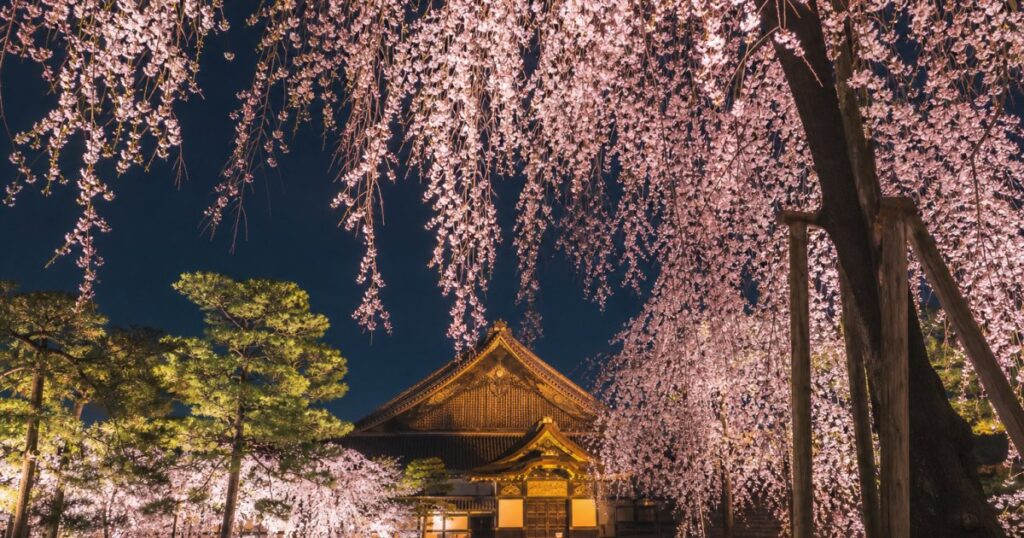
Spring cherry blossoms bloom in different areas throughout the castle; bloom timing shifts annually with the weather, so check official forecasts a week before you go. Visit for cherry blossoms early morning or near sunset—midday is most crowded. Night illuminations run only in specific seasons and may require separate tickets with different entry times—check official announcements. After night events end, the return subway gets packed; consider eating dinner nearby first and taking your time walking back.
Pair It with Kyoto Imperial Palace for a Full Day: Samurai First, Then Royalty
Visit Nijo Castle in the morning, eat lunch around Kawaramachi or Karasuma-Oike, then head to Kyoto Imperial Palace and Kyoto Imperial Palace Park in the afternoon. Take the Tōzai Line from Nijo Castle Mae to Kawaramachi-Oike, transfer to the Karasuma Line heading north for about 2 stops to Maruta-machi or Imadegawa Station to reach the park. Check ahead for Kyoto Imperial Palace visiting procedures and open dates—if closed that day, you can walk around Kyoto Imperial Palace Park instead and enjoy the gardens and surrounding neighborhoods. By day’s end, you’ll have seen both the Tokugawa castle and the emperor’s residence, showing how different their architectural atmospheres truly are.
Transportation and Trip Tips
- Subway is most convenient: Kyoto City Subway Tōzai Line “Nijo Castle Mae Station”—walk straight to the Higashi-Ōte Gate. From Kyoto Station, take the Karasuma Line to Kawaramachi-Oike and switch to the Tōzai Line, or take a bus directly; check routes and schedules before you go.
- JR and bus alternatives: From Kyoto Station, take the JR Sagano Line to Nijo Station and walk, or use buses. The subway is easier if it’s crowded or rainy.
- Budget time for queuing and shoe changes: You’ll remove shoes inside the palace and follow marked routes. Peak season can cause delays, so allow extra time—avoid scheduling another stop within 2 hours.
- Timing for a Kyoto Imperial Palace combo: Nijo Castle Mae to Kawaramachi-Oike is about 1 stop; the Karasuma Line north is about 2 more stops. Allow 40–60 minutes for travel and lunch to avoid rushing.
- Cherry blossom and night illumination seasons: Weekends are crowded; consider weekdays or arriving at opening time. After night events, the return subway fills up—eat dinner nearby first to avoid the rush.
- Footwear and weather: You’ll walk on gravel and wooden floors, so wear easy-to-remove shoes and bring a light rain jacket. In winter, an extra pair of socks keeps feet warm.
This article was prepared by the Japan Free Travel Information Station editorial team. Attraction and transportation information may change—please check the latest official announcements before you visit.
Always confirm the latest official information before your trip.
This article was translated from our Traditional Chinese edition.