New Chitose Airport to Sapporo: JR vs. Bus & How to Handle Heavy Snow Delays
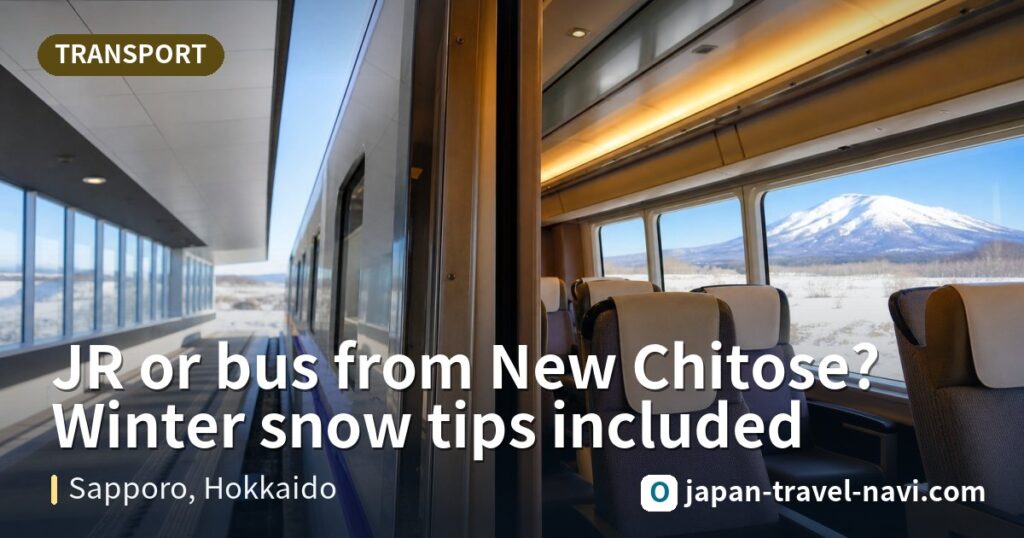
First-time visitors to Hokkaido arriving with luggage at New Chitose Airport usually find the JR Express Airport train the most hassle-free option, taking about 40 minutes and dropping you right at Sapporo Station. If you’re staying near Susukino or Odori Park and traveling with a lot of luggage, the airport bus is also worth considering. In summer, plan for a comfortable 1 hour to reach the city center; in winter with snow, allow an extra 1–2 hours as a buffer.
Contents
JR Express Airport Train: The Go-To for Most Travelers
The JR station is directly beneath the airport. After collecting your luggage, follow the signs downward and you’ll reach the platform in minutes. The train heading to Sapporo is the Express Airport (快速エアポート), with frequent service—you won’t need to time it precisely, and if you miss one, you won’t wait long.
The biggest advantage is reliability; it’s not affected by road traffic congestion and suits anyone arriving in the evening and wanting to check in before dinner. The drawback is you’ll need to haul your luggage from Sapporo Station to your hotel. If your accommodation is far from the station, you’ll need to transfer to the subway or walk. Check the map beforehand for walking time from Sapporo Station to your hotel—if it’s over 15 minutes or the roads are snowy, switch to a taxi or subway instead.
Airport Bus: When It Makes Sense
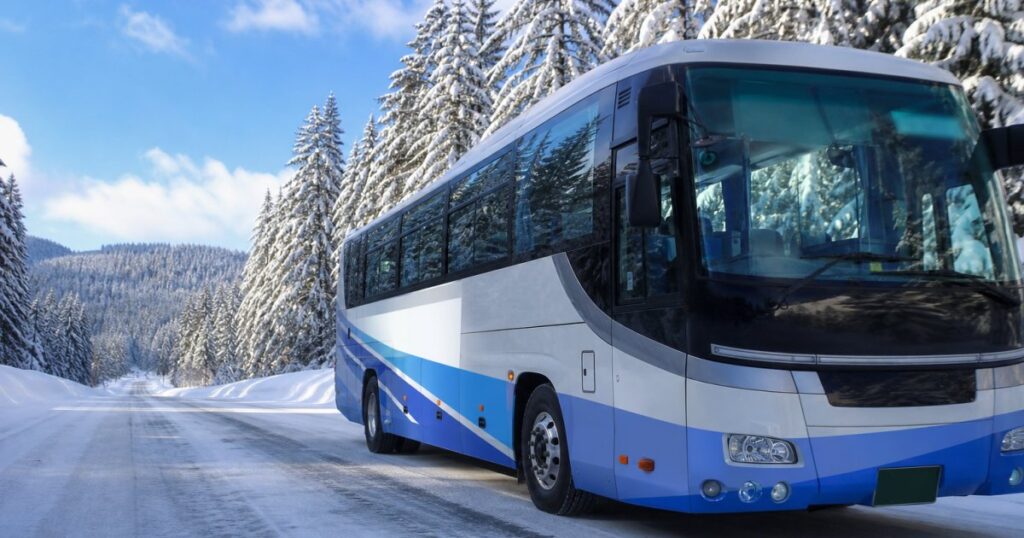
The airport bus’s advantage is that some routes stop near major hotels in the city center, saving you the hassle of transferring and dragging luggage around. This is especially convenient for families with children, elderly travelers, or those with large suitcases. Travel time is typically longer than the train—usually just over 1 hour—and varies with traffic conditions.
Deciding between them is straightforward: first check if there’s a bus stop near your hotel. If yes, the bus is easier; if no, the train is more economical. Bus schedules and stops may change, so check official information before your trip. During rush hour when entering the city, the train is less likely to be delayed by road conditions than the bus.
How to Use Reserved Seating
Most cars on the Express Airport train are unreserved, but some services also have reserved seating cars (Uシート). Reserved seating guarantees you a seat—ideal for travelers with large luggage who want to rest after landing. Not every service has them, and seats are limited, so it’s best to check at the ticket machine or counter after arrival, or look up the latest official information before traveling.
If you’re planning to use unreserved seating, platforms tend to be crowded during peak times (such as when multiple flights have just landed). You can place luggage in the space between cars or in the overhead racks and keep the aisle clear. If you’re traveling with elderly family or children, it’s more comfortable to wait for the next train if the first one is too packed rather than squeeze on.
Dealing with Heavy Snow Delays in Winter
During Hokkaido’s snowy winters, both flights and trains can be delayed or even suspended. Check the weather forecast the night before arrival. If a blizzard is predicted, keep your first day’s itinerary loose—don’t book a rigid dinner reservation or night sightseeing tour.
If the train stops running, don’t rush to switch to the bus; roads will be affected by snow too. Stay in the airport terminal and check the station information board or the JR official app for service updates. The airport has restaurants and shops where you can rest comfortably while waiting, which beats standing on the platform. If it’s clear the service won’t resume soon, then consider switching to the bus or contact your hotel to let them know you’ll be late.
When leaving Sapporo in winter, also plan to arrive at the airport 1–2 hours earlier than usual and leave room to catch a different flight if needed.
Skipping Sapporo: Heading Straight to Other Cities
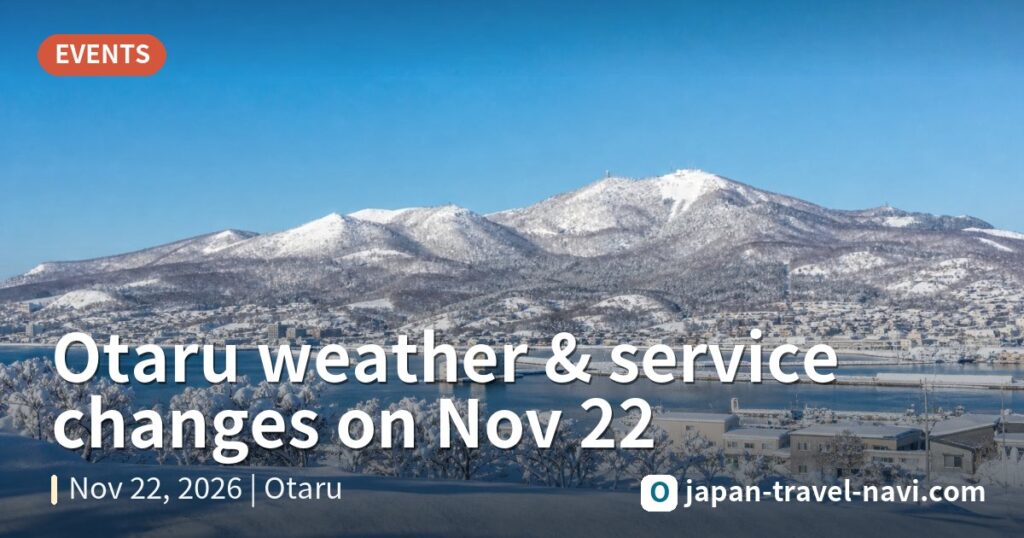
Not everyone needs to go into Sapporo first. Heading to Otaru? Some Express trains go directly there; for others, transfer in Sapporo—about 1 hour 20 minutes total. It’s fine for dropping luggage and taking an evening canal stroll.
For Noboribetsu or Hakodate, you can switch to a limited express train at Minami-Chitose Station. Travel time varies by service: Noboribetsu takes about an hour or less; Hakodate requires half a day. Furano and Biei usually require going to Sapporo or Asahikawa first and transferring—budget half a day or more for a one-way journey. Rushing there on arrival day gets tiring; consider spending a night in Sapporo first and departing the next day instead.
If you want to save Sapporo for your last stop, do it in reverse: explore outward on day one, return to Sapporo on your final day, then take the JR back to the airport. You’ll have an easier time with luggage storage and checking in.
Traffic & Itinerary Tips
- Confirm the platform and direction before boarding: The JR station at New Chitose Airport is underground. Before entering the platform, confirm you’re on the correct train to Sapporo—not every Express Airport service stops at the same stations. Check the car display before boarding.
- Choose a good time if you have lots of luggage: During peak hours, both train and bus can get crowded. Travelers with large luggage can rest or eat at the airport for 30 minutes before heading out.
- Reserve seats in advance: If you want reserved seating, check the ticket machine or counter right after arrival. If they’re sold out, just catch the next service—don’t scramble to find a seat on the platform at the last minute.
- Build in a buffer during winter: On snowy days, whether taking the train or bus, allow 1–2 extra hours. Also avoid booking a tight dinner reservation for your first evening.
- Check info before switching to the bus if the train stops: Look at the airport information board, JR’s official app, or ask the counter first. Don’t switch to the bus impulsively—roads can be affected by snow too.
- Confirm the last departure when connecting to other cities: When heading to Otaru, Noboribetsu, Hakodate, Asahikawa and other destinations, check the latest official schedules and last-train times in advance to avoid missing a connection and getting stranded at the transfer point.
This article has been compiled and written by the Japan Free Travel Information Station editorial team. Attraction and traffic information is subject to change. Please verify the latest information from each facility and official announcements before departure.
Please refer to the latest official information for actual conditions.
This article was translated from our Traditional Chinese edition.
Related reading
 Kyoto by foot, bike, and taxi: how to combine them for the best use of time and energy
 Getting to Arashiyama: Comparing JR, Randen, and Hankyu Transit Options
 How to Get from Kansai Airport to Kyoto: Express Trains, Buses, Late Arrivals & Return Options
 Kyoto Metro, JR, Keihan & Hankyu: Complete Transit Guide to Skip Bus Traffic