Viewing Mt. Fuji from Lake Kawaguchi: How to Choose Bus vs. Train, Best Angles & When It’s Clearest
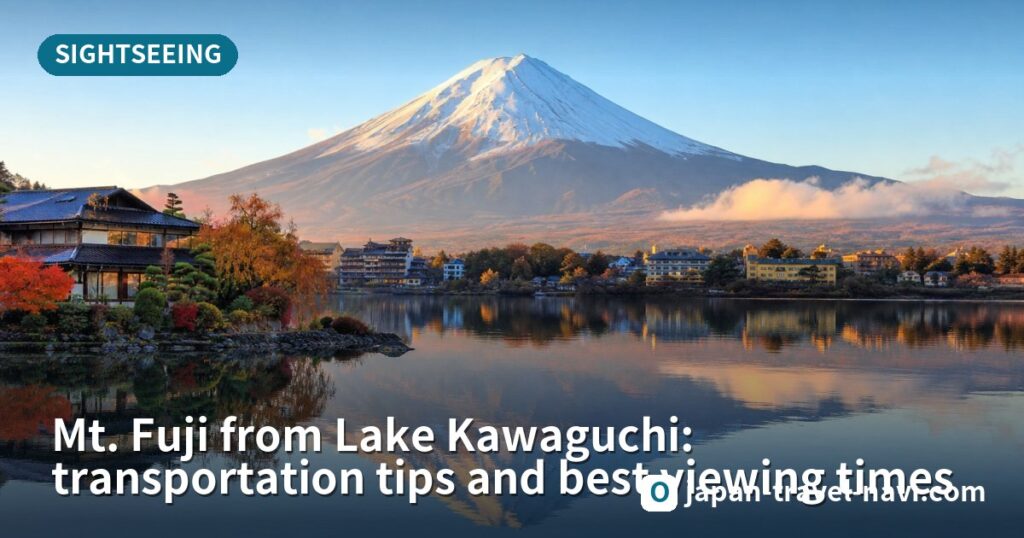
Planning a Mt. Fuji viewing trip from Tokyo without spending too much time traveling? Lake Kawaguchi (河口湖) is your best bet. Consider a day trip, but stay overnight if you want better chances of clear skies. The prime viewing window is early morning through 10 a.m., when cloud cover is usually at its lightest. From Shinjuku, whether by bus or train, the journey takes about 2 to 2.5 hours one way—an early departure gives you more breathing room.
Contents
Bus or Train: Which Should You Choose?
Highway bus: Departs from Shinjuku with no transfers—takes you straight to the Lake Kawaguchi station area. Ideal if you’re traveling with lots of luggage or prefer not to switch vehicles. The downside: on holidays and weekends, the Chuo Expressway gets congested, so your actual travel time may be much longer than expected, especially on the return journey.
Train: Take a JR Chuo Line Express to Otsuki Station (大月駅), then transfer to the Fujikyu Railway line to Lake Kawaguchi station. Some time slots offer express services with fewer transfers—check the official timetable in advance. Trains run on schedule regardless of traffic, and you’ll have scenic views of Mt. Fuji through the window along the way.
Quick decision guide: choose the bus if you want to sleep on the way out and are carrying a lot; pick the train if your itinerary is tight and you want to avoid delays. Some travelers take the bus outbound and the train back to experience both. Buses require advance booking, and reserved seats on trains should also be confirmed early—don’t buy tickets on the spot during peak season.
Classic Lakeside Viewpoints
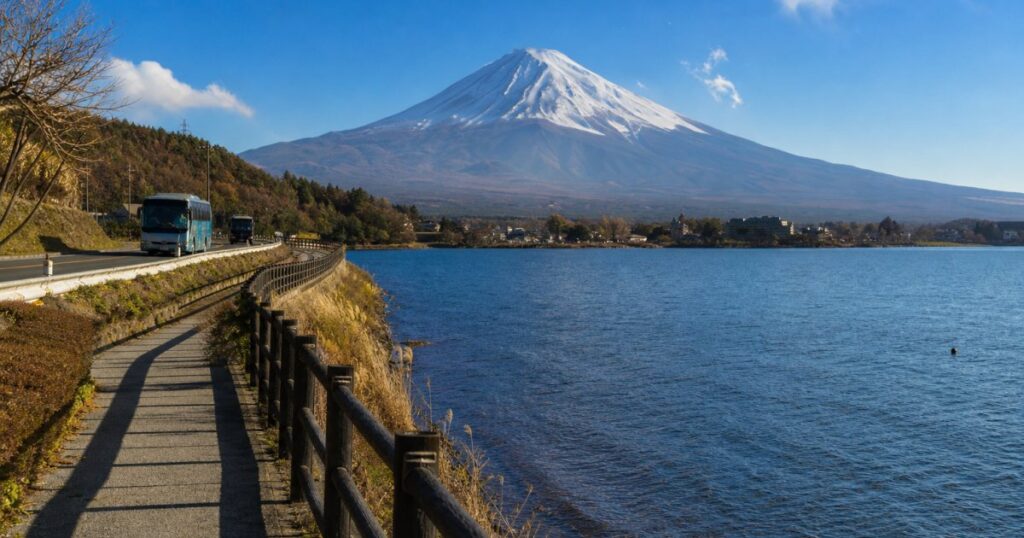
Once you arrive at Lake Kawaguchi, resist the urge to rest indoors—head out early while visibility is good. The area around Lake Kawaguchi station offers Mt. Fuji views on clear days, but to capture the lake as your foreground, take the Lake Kawaguchi Loop Bus around the lake and get off at a few stops along the way.
- North shore: Mt. Fuji faces directly across the lake—this is the classic postcard composition, perfect for backlit morning photography.
- Oishi Park (大石公園): Captures the lake, flowers, and Mt. Fuji all in one frame. Located on the north shore, it’s pleasant for a leisurely walk. Plan to spend about 40 to 60 minutes here.
- Inverted Mt. Fuji (逆さ富士): The mountain’s reflection mirrors perfectly in the lake—but it requires luck. You need calm, windless early morning conditions and a still water surface; one breeze and the reflection shatters. Try to arrive early and build in buffer time if you’re determined to see it.
For a higher vantage point, take the cable car up the mountain to see the full panorama of the lake and peak. However, on cloudy days the view gets blocked—decide whether to do this after you’ve checked the weather.
Seasonal Variations
- Spring: Cherry blossoms framed with Mt. Fuji are stunning, but the mountain top still has snow, weather is unpredictable, and temperature swings between morning and evening are wide—bring a jacket.
- Summer: Lavender season is peak flower viewing time, but summer brings moisture and afternoon clouds, so Mt. Fuji often gets obscured. Plan only for the morning; move indoor activities to the afternoon.
- Autumn: Red maple leaves against Mt. Fuji are incredibly photogenic. Fall colors arrive later here than in Tokyo—check the year’s forecasts before you go. The air starts to dry out and sunny days become more frequent.
- Winter: The clearest air and best visibility of the year. The “snow-capped Mt. Fuji” with its white summit has sharp definition—this is the most reliable season for viewing. Be aware that early mornings are bitterly cold, lakeside winds are strong, and gloves and hand warmers are essential.
Morning Cloud Cover & Weather Assessment
Mt. Fuji’s clouds show a clear daily pattern: the mountain is cleanest in the morning. As temperatures rise and water vapor evaporates, clouds gradually gather, and by afternoon the chances of being obscured increase significantly. So schedule your viewing early.
The day before, take these steps: check the weather forecast for the Lake Kawaguchi area, paying special attention to cloud cover and wind speed; look up live webcam feeds to see if the peak is currently hidden; the day after a cold front passes through, the sky is often exceptionally clear—a good window. If rain or all-day heavy clouds are forecast, consider shifting your visit to another day, or switch to hot spring soaking and indoor attractions instead of forcing it.
If you have two days, plan to arrive in the afternoon of day one, then see the mountain early on day two—this way, even if day one is a washout, you have a backup chance.
Transportation & Itinerary Reminders
- Taking the bus: Expressways clog on holidays and weekends; allow at least 1 hour buffer on the return, especially if you have a late flight.
- Taking the train: When transferring from the Chuo Line to Otsuki, confirm your transfer time and platform. Fujikyu Railway frequencies aren’t always short—miss one and you could wait a while.
- Loop bus: Service intervals vary; before getting off, check the next bus and final departure times to avoid a long wait by the lake.
- Temperature and clothing: The lakeside is windy and mornings are cold—bring a light jacket even in summer; in winter, thermal gloves and a hat are must-haves, as your hands can numb while photographing.
- Bad weather adjustment: Don’t force an outdoor itinerary in poor conditions—switch to indoor activities or hot springs and save another attempt for the next day.
- Self-driving visitors: In winter, mountain roads can ice over. Check tire condition and road status beforehand, and consult official traffic updates.
This article has been compiled and written by the Japan Travel Guide editorial team. Attraction and transportation information may change—please confirm the latest details with each facility and official announcements before you go.
Actual conditions may differ; please refer to the latest official information.
This article was translated from our Traditional Chinese edition.
Related reading



More from Tokyo
More Christmas Shopping Pop-up at Ichigaya Station (Toei Shinjuku Line) Nov 25–Dec 26
 Nov 22: 20th Bakuretsu Festival – Airsoft & Tactical Gear Showcase
 Nov 28–29 Ikebukuro Sunshine City Furniture Clearance Sale – Free Entry
 Marunouchi Building’s RIMTAE Debuts Black Tea Blooming Tea with Peony and Chrysanthemum