How to Eat Yudofu (Tofu Hot Pot) in Kyoto: Temple Dining, Yuba & Vegetarian Options
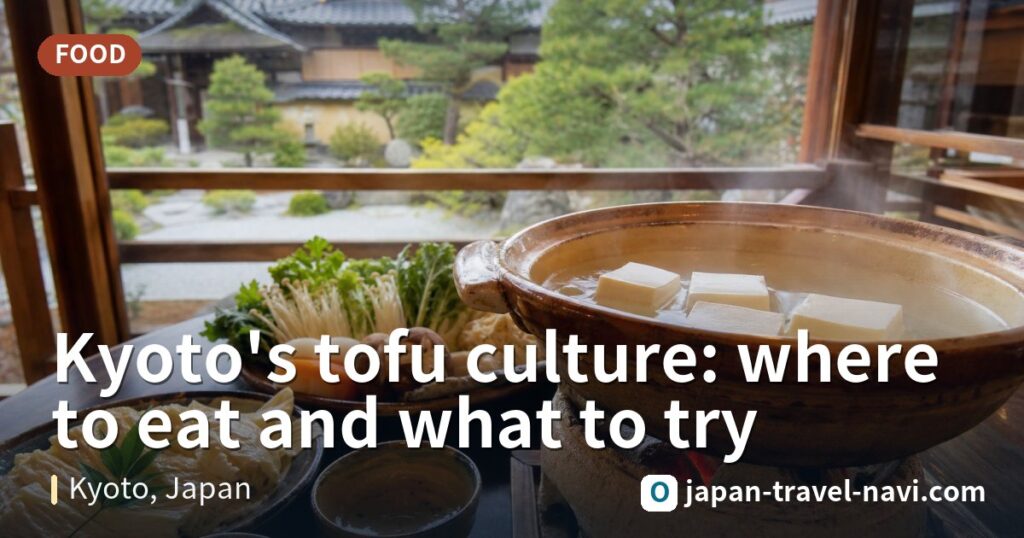
Looking for a light, peaceful lunch in Kyoto without joining queues for desserts? A yudofu (tofu hot pot) and tofu dining experience is perfect. Plan for about 1.5–2 hours including the meal and a stroll through the gardens. For lunch, aim to arrive before 11 a.m. to avoid midday crowds.
Contents
Why Kyoto’s tofu is so famous
Kyoto’s basin has naturally soft groundwater, ideal for making tofu and yuba (tofu skin). The city is also home to many temples. Shojin ryori (精進料理, Buddhist vegetarian cuisine) has traditionally relied on tofu as a plant-based protein source for centuries, making tofu a signature flavor of Kyoto.
This cuisine emphasizes the natural taste of ingredients without relying on bold flavors. Approach it with a mindset of savoring each bite. If time allows, consider visiting Nishiki Market first to sample tofu and soy milk snacks—spending about 30 minutes will prepare your palate before the main meal of yudofu.
Dining atmosphere near temples
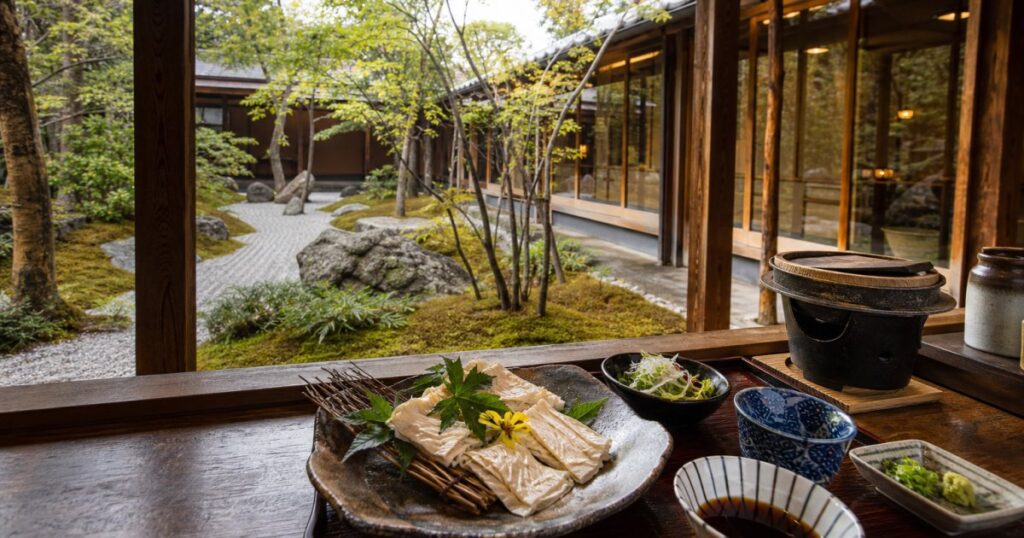
Most famous yudofu restaurants cluster around temples, with Nanzen-ji (南禅寺) and the area around Tenryu-ji in Arashiyama being the easiest to fit into an itinerary. Dining spaces typically feature garden views and tatami mat seating, with a slower pace than typical restaurants—perfect for relaxing after a temple visit.
- Nanzen-ji area: about 30–40 minutes from Kyoto Station by subway and walking.
- Arashiyama area: about 20 minutes from Kyoto Station by JR, then walk to the restaurant.
- Tatami seating requires removing shoes; wear easy-to-slip-on shoes and clean socks.
- Rainy days offer beautiful garden scenery, but pathways are slippery—allow extra travel time.
Yuba and other tofu dishes
Yuba (ゆば) is the delicate film that forms on the surface of heated soy milk. It can be eaten raw or cooked. Besides yudofu, tofu dengaku (豆腐田樂, tofu glazed with miso and grilled), fried tofu, and soy milk hot pot often appear in set meals.
For first-timers, ordering a set meal is recommended to sample several preparations at once. Don’t overcook yudofu—the tofu is ready when it gently quivers and the edges float. Overcooking makes it tough. Take a sip of the broth first, then add sauce to better taste the natural flavor of the tofu.
Options for vegetarians
Kyoto is relatively vegetarian-friendly, especially at temple-based shojin ryori restaurants, which traditionally exclude meat and fish. However, yudofu is not always vegetarian. Check these points beforehand:
- Is the broth made with only kombu (kelp), or does it contain bonito flakes?
- Do the dipping sauces and miso contain bonito-based stock?
- Are the side dishes included in the set meal fish-free?
- If you avoid alliums like green onions and garlic, mention that too.
Tell the restaurant about your vegetarian needs when booking, and clarify whether you eat eggs and dairy. For walk-ins, use a translation app to show the staff text saying “no meat, fish, or bonito-based broth” rather than explaining verbally, to avoid misunderstandings.
How to plan a half-day itinerary
Starting from Nanzen-ji: visit the temple in the morning (1–1.5 hours), have yudofu at lunch, then walk leisurely toward Ginkaku-ji (Silver Pavilion) along the Philosopher’s Path while digesting. For Arashiyama: explore Tenryu-ji first, then lunch, followed by the bamboo grove area. Both routes work well with “walk first, eat later,” keeping you comfortable and preventing heaviness during walks.
Travel tips
- These restaurants are often tucked in narrow lanes near temples, not always near stations. Check walking routes on a map app beforehand and allow 10–15 minutes for walking.
- Confirm the last bus or subway departure time back to Kyoto Station before heading out to avoid rushing before dinner. Check official schedules for the latest times.
- Popular restaurants often have wait times during peak hours. Register for a wait list or arrive early. If possible, make a reservation in advance and mention any vegetarian needs.
- Afternoon activities are mainly walking-based. Wear comfortable shoes and schedule outdoor attractions after lunch, leaving indoor temples for rainy days.
- During holidays and cherry blossom or autumn foliage seasons, buses fill up quickly. Consider taking the subway or JR instead, then walking a short distance—timing is more predictable.
- If your chosen restaurant is full, you can visit a nearby temple while waiting, then return to check on your place, avoiding wasted time.
This article was compiled and written by the Japan Travel Navigator editorial team. Venue and transportation information may change; please verify with official announcements before your visit.
Always confirm current details with official sources.
This article was translated from our Traditional Chinese edition.