Kyoto Transit Pass Guide: How to Choose Between Subway, Bus, Private Railway and IC Card
A Kyoto one-day pass isn’t right for everyone. It’s worth buying if you’re visiting multiple attractions daily and taking the subway or bus 4 or more times. If you’re mainly walking around Higashiyama or making a single trip to places like Arashiyama or Fushimi Inari Shrine, an IC card is usually more convenient. Plan your route for the day first, then compare ticket options.
Contents
First, understand that Kyoto transit is operated by different companies
Kyoto has only two subway lines: the Karasuma Line running north-south and the Tōzai Line running east-west. Neither reaches most temples and shrines. City buses cover the remaining routes, while areas like Arashiyama, Mount Hiei, and Ohara have private railways with their own bus systems. JR West Japan operates routes from Kyoto Station to Arashiyama, Fushimi Inari Shrine, and Uji. Most passes are limited to each operator’s routes, so confirm which company you’ll rely on most before buying.
Use your daily itinerary to judge if a pass is worth it
Don’t buy based on guesswork. Follow these three steps:
1. Map out your attractions in order, noting whether each leg requires subway, bus, JR, or private railway.
2. Check each segment’s one-way fare using a transit app or map app, and add them up.
3. Compare your total with the official pass price. Buy a pass only if your total fare is significantly higher.
Examples:
- Northern Kyoto plus downtown: If visiting Kinkaku-ji, Nijo Castle, then returning to Kyoto Station with multiple bus and subway transfers, consider a combined subway-and-bus pass.
- Higashiyama walk: Kiyomizu-dera, Gion, and Ginkaku-ji are popular, but since you can walk from Kiyomizu-dera to Gion, actual rides are few. An IC card usually covers it.
- Full day in Arashiyama: Arashiyama has JR, Randen Tram, and Hankyu lines. Choose a single-operator pass or simply use an IC card.
Pros and cons compared to an IC card
Nationwide IC cards like ICOCA and Suica work on JR, subways, buses, and most private railways. You don’t worry about which operator accepts what, and you can change plans on the fly. The downside: no discount, no matter how many trips you take.
A one-day pass frees you from counting fares, but it’s only valid on that day within its designated zone. Use an IC card as your base, then add a one-day pass only when your route is confirmed and you’re taking many trips. Avoid paying twice by using both simultaneously.
Where to buy and what to check before purchasing
Purchase locations include subway station ticket machines or windows, bus information centers and visitor centers near Kyoto Station, private railway ticket counters, and e-tickets through official or travel platforms. Available locations and whether e-versions exist vary and change frequently. Check official sources before your trip.
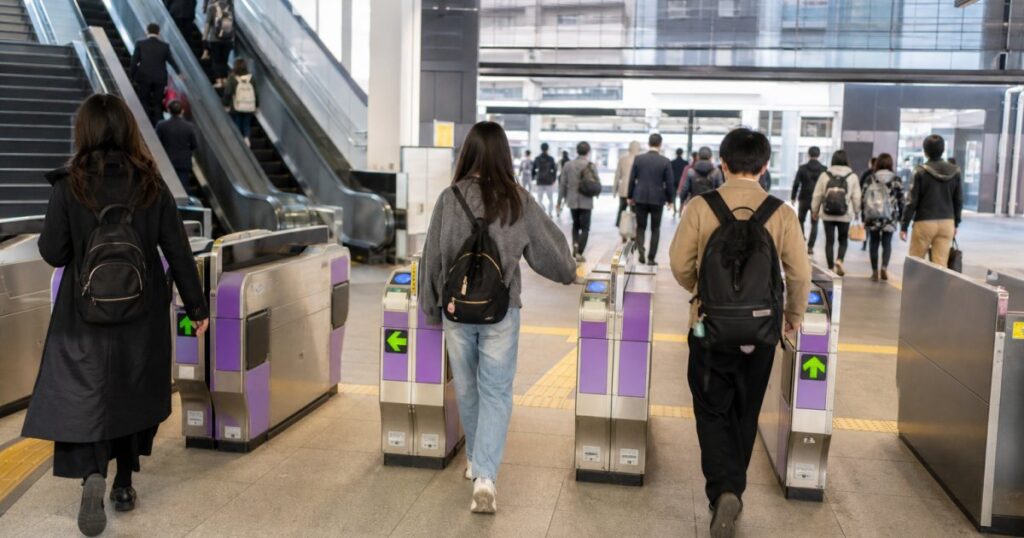
Once you have a physical pass, confirm its expiration date and usage instructions, then validate or activate it on first use as directed. Have your pass ready before reaching the fare gate, rather than digging through your bag at the entrance. This keeps the line moving smoothly.
Travel tips
- During peak season, buses on popular routes get crowded from 9 a.m. to 4 p.m. Start early, or switch to subway plus walking to avoid congestion and full buses.
- Combination subway-and-bus passes let you ride to the nearest subway station, then transfer to a bus, reducing traffic jam delays compared to all-bus routes.
- If your itinerary includes JR stops like Fushimi Inari Shrine or Uji, most one-day passes don’t cover them. Use an IC card or buy separate tickets for those segments.
- Follow the signs on buses for where to board, alight, and pay. One-day pass and IC card readers may be in different locations. Watch the passenger ahead of you to see how it’s done.
- If your schedule is too packed, skip attractions requiring 3+ transfers. Use the saved time for walking and meals instead.
- On rainy days or if plans change suddenly, an IC card offers maximum flexibility. With a one-day pass, recalculate your route and confirm it’s still worth using.
This article was compiled and written by the Japan Travel Navigator editorial team. Attractions and transit information change frequently. Before your trip, check the latest updates from individual facilities and official sources.
Always verify current details with official announcements.
This article was translated from our Traditional Chinese edition.