Pontocho and Kiyamachi at Night: Narrow Alleys, Menu Tips, and Photography Etiquette
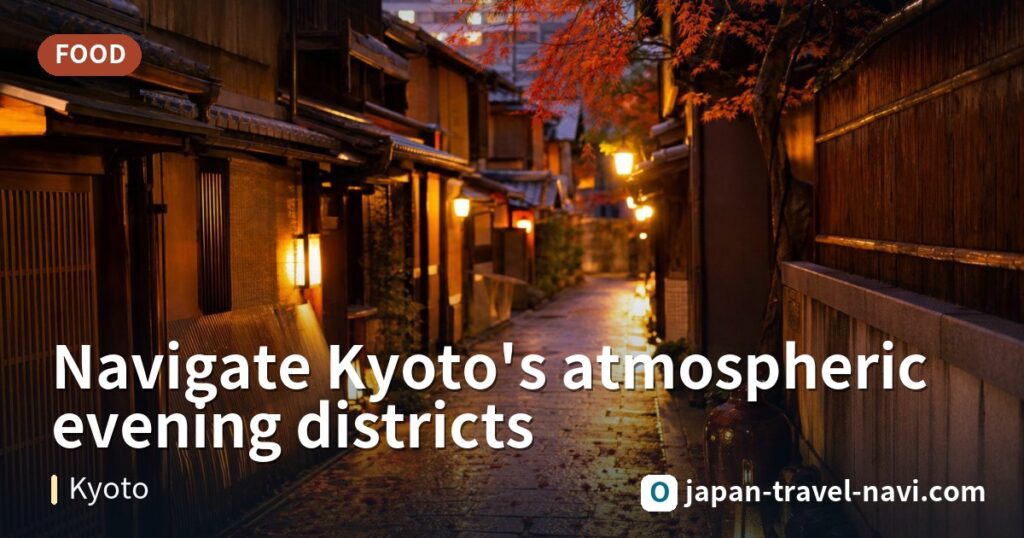
Travelers looking for an evening to night itinerary in Kyoto beyond chain restaurants will find Pontocho (ぽんとちょう) and Kiyamachi (きやまち) perfect additions to their plans. Plan to spend about 2–3 hours, arriving as dusk falls for the best atmosphere. These neighborhoods are densely packed with restaurants and bars with varying price points. Master three key skills—navigating the streets, choosing the right restaurant, and photographing respectfully—and you’ll enjoy them without stumbling into traps.
Contents
The two streets have different characters—learn the difference first
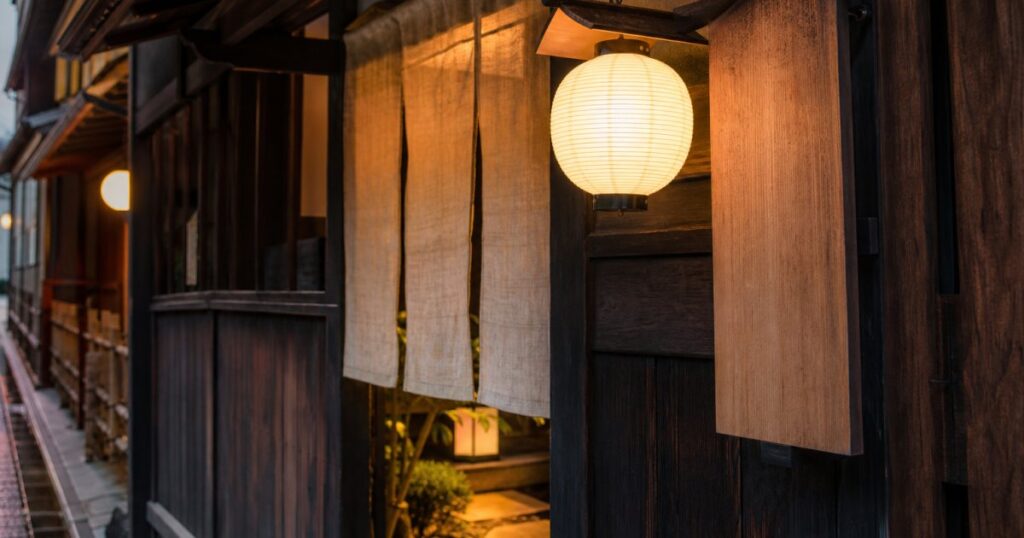
Pontocho is a narrow stone-paved alley sandwiched between the Kamogawa River and shops, with lanterns and latticed windows lining both sides, creating the feeling of walking through a long corridor. Kiyamachi extends along the Takasegawa River (たかせがわ), with wider streets mixing izakayas, cafes, and bars in a more relaxed, lively atmosphere. We recommend walking through Pontocho first to absorb the alley charm, then moving to Kiyamachi to pick a restaurant and sit down. This route is efficient and less likely to get caught in crowd jams.
Route and timing: Walk from south to north, avoid the busiest stretch
It’s only about a 10-minute walk from Hankyu Kyoto Kawaramachi Station or Keihan Gojo Kawaramachi Station. The entrance to Pontocho is near Shijo-dori; enter from the southern end and walk slowly to the northern end, which takes about 20–30 minutes, then continue to Kiyamachi on the way back. Weekend dinner hours attract the biggest crowds. If you want to photograph or browse menus leisurely, arrive while the sky is still slightly bright, explore first, then sit down to eat. When crowds are heavy, you can walk through Kiyamachi instead or use side paths to switch routes. On rainy days, the stone pavement becomes slippery—wear shoes with slip-resistant soles for safety.
Big price range differences—how to judge if a restaurant suits you
On the same alley, you might find a casual sake bar on one side and a traditional kaiseki restaurant requiring reservations on the other, so don’t judge by appearance alone. Use these three quick checks:
- Check if there’s a menu at the entrance: Restaurants with clearly displayed items and prices tend to be more casual; completely unmarked shops should be skipped unless you’ve made a reservation.
- Observe the clientele and seating inside: Mostly counters and small tables with casually dressed guests suggests an izakaya-style bar; private rooms and low-key storefronts usually indicate fine dining.
- Confirm if there’s a table charge or small appetizer fee (お通し): This is common at Japanese izakayas and isn’t a ripoff, but it’s worth checking before sitting down so you can budget accordingly.
If your budget is tight, Kiyamachi typically offers more flexible options than Pontocho; if you want the atmosphere of Kyoto cuisine, reserve Pontocho for a special “signature meal.”
Check the menu before entering
Spend 1–2 minutes reading the menu or display board at the entrance before going in, to confirm whether it’s à la carte or set menu pricing, if there’s English or other language support, and whether drinks are mandatory. If there’s no menu at the entrance, use simple Japanese or a phone translation app to ask “do you have a menu?” If after checking you feel it doesn’t fit your budget, politely nod, say thank you, and leave—no need to force yourself to sit down. If your group is large or you want a set meal, make a reservation in advance; popular restaurants often fill up during peak dinner hours in busy seasons.
Neighborhood etiquette and photography guidelines
Pontocho’s alleys are very narrow and serve as a living and working space for residents and shop staff, so please remember:
- Don’t stop in the middle of the alley and line up to take photos, blocking the walkway; if you want to photograph, move to the side first and clear the way immediately after.
- Don’t use flash and don’t extend a selfie stick into shop doorways or windows.
- When you encounter a maiko or geisha, don’t block their path, don’t chase them for photos, and don’t touch their kimono; pay attention to posted signs—don’t photograph where it’s prohibited.
- Keep your voice low, especially during late evening when residents are resting. Loudly chatting in the alley after drinking is the quickest way to annoy locals.
If you want to capture the atmosphere, photograph the overall streetscape from the alley entrance or by the Kamogawa River—this won’t disturb shops and gives cleaner images.
Travel reminders
- Public transportation is most convenient: From Hankyu Kyoto Kawaramachi Station, Keihan Gojo Kawaramachi Station, or via subway and bus to the Shijo-Kawaramachi area, it’s a short walk, and driving after drinking is not advisable.
- Note the last train times: Before you get too caught up in the fun, check the train or bus schedule back to your accommodation—verify the latest information from official sources before you depart.
- Book reservations well in advance: Popular restaurants often fill up during peak dinner hours on holidays and in busy seasons. If you want a specific type of restaurant, make a reservation or plan your first stop for when dusk is just beginning to fall.
- Have a rainy-day backup plan: Stone pavement becomes slippery in rain, so wear slip-resistant shoes and bring a compact umbrella; if heavy rain hits, explore nearby Kawaramachi shopping streets and indoor restaurants instead, then return later.
- Alternative routes when crowded: When Pontocho is packed, walk through Kiyamachi or along the Takasegawa riverside first, then enter the alley once the crowds thin out.
- Safety and belongings: With large evening crowds, wear your bag in front or zip it securely; when taking phone photos, watch for people around you to avoid collisions in the narrow alleys.
This article was written and edited by the Japan Travel Navi editorial team. Attractions and transportation information may change—please verify with official sources and latest announcements before your visit.
Always check official announcements for the most current information.
This article was translated from our Traditional Chinese edition.