Kyoto Fall Foliage and Tofuku-ji: When to Visit & How to Avoid Crowds at Tsutenkyo Bridge
Tofuku-ji is perfect for visitors who want to see Kyoto’s fall foliage without being completely submerged in crowds. Plan for half a day (including 2–3 hours of travel time), arrive at opening time, and aim for mid-to-late November to early December. The temple is just one train stop from Kyoto Station, making it an ideal first stop for your autumn viewing day.
Contents
When is peak foliage season?
In central Kyoto, maple leaves typically begin turning red from mid-November, with peak color from late November to early December—also the busiest times. The exact timing varies each year depending on autumn temperatures. Start checking official tourism websites and foliage forecasts 2–3 weeks before your trip, and keep your viewing date flexible. If flights and accommodation are already booked and can’t be changed, late November is generally the safest bet.
How to handle crowds at Tsutenkyo Bridge
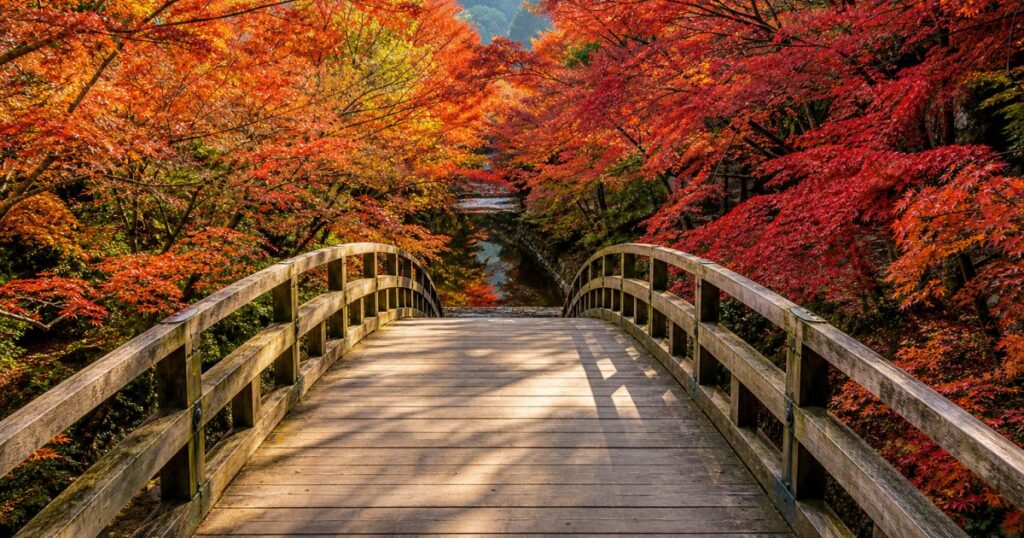
Tsutenkyo Bridge is Tofuku-ji’s most famous autumn viewing spot, with stunning maple displays both on the bridge and in the valley below. Weekends and midday are most congested; queues and crowd-control measures may apply.
- Prioritize weekdays; if visiting on weekends, arrive as early as possible, cross Tsutenkyo Bridge first, then explore other temple halls and gardens.
- Don’t linger long on the bridge when it’s crowded—take your photos and keep moving.
- For a full view of the bridge and maples, consider Wokyun Bridge (臥雲橋) nearby; the perspective is different but similarly requires queueing time.
- Stone steps and paths become slippery in rain, so wear sturdy, non-slip shoes and bring rain gear. Post-rain foliage often displays richer color, and crowds may thin out.
Early morning or night illumination?
Early morning offers soft light and fewer people, making it more comfortable for photography and leisurely walks. This is usually Tofuku-ji’s best time slot.
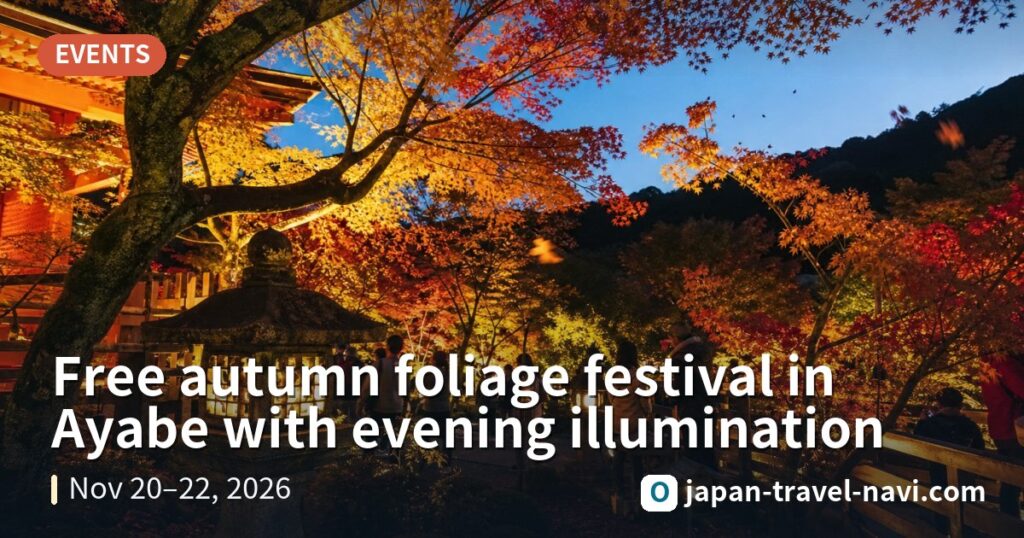
Some Kyoto temples offer special nighttime viewing during fall foliage season, but whether Tofuku-ji participates, and details like dates and admission, vary yearly. Check the official website before your trip.
If you want to catch night illuminations, visit Tofuku-ji during the day, then head to the Higashiyama area in the afternoon—such as Eikando or Kiyomizu-dera—and catch the evening lights there instead. No need to fight crowds at a single spot. Temperatures drop noticeably after dark, so bring a jacket. Return trains and buses will be more crowded too.
How are other fall foliage areas distributed?
- Higashiyama: Kiyomizu-dera, Eikando, Nanzen-ji, and Philosopher’s Path have dense clusters of sights—perfect for walking and short rides in one full day.
- Arashiyama: Togetsukyo Bridge, Tenryu-ji, and bamboo grove have beautiful scenery but heavy crowds. Plan a separate day and arrive early.
- Northern Kyoto: Kibune and Kurama mountain areas typically turn red earlier than the city and are cooler—ideal for visitors seeking to escape city crowds.
- Uji: On the same JR Nara Line as Tofuku-ji, about 30 minutes by train; more relaxed pace than the city center, good for a half-day.
First-timers can try this itinerary: Day 1 morning at Tofuku-ji, afternoon in Higashiyama, evening night illuminations; Day 2 to Arashiyama or Uji, focusing on one main area per day to avoid being worn out by travel time.
Transportation and planning tips
- From Kyoto Station to Tofuku-ji Station: about 5 minutes on the JR Nara Line. Take a local train (stops at all stations); rapid trains may not stop at Tofuku-ji. Keihan Electric Railway also serves Tofuku-ji Station and is more convenient if approaching from the city’s east side.
- Buses and trains are extremely crowded during foliage season. Rely mainly on trains and subways; buses often face delays due to traffic, so build buffer time into your schedule.
- Roads around Tofuku-ji are prone to congestion during foliage season. Driving is not recommended. If you must drive, confirm parking beforehand and arrive early.
- Schedule Tofuku-ji for the morning, move to the next area in the afternoon, and avoid evening rush hour on the return journey. Book dinner in advance or eat early.
- Tsutenkyo Bridge and valley paths have stairs and slippery sections. Wear non-slip shoes and avoid stopping on narrow paths or stairs for photos.
- Check the weather and official night-viewing details before departing. On rainy days, switch to indoor activities like exploring Kyoto Station area, museums, or cafés.
This article has been compiled and written by the Japan Travel Info Station editorial team. Venue and transportation information may change; please verify the latest details with respective facilities and official announcements before your trip.
Please refer to official announcements for the latest information.
This article was translated from our Traditional Chinese edition.