How to Choose a Kansai Pass: JR or Private Railways for Kyoto, Nara & Kobe
If you’re planning to spend 3–5 days in Kansai and visit two or more cities among Kyoto, Nara, and Kobe, it’s worth comparing rail passes carefully. For a quick Osaka–Kyoto day trip, using an IC card for individual journeys is usually simpler. Plan your daily routes first, then choose your pass, and factor in the difference between consecutive and non-consecutive passes. Pass contents and coverage change frequently—check the official latest information before purchasing.
Contents
JR vs. Private Railways: What’s the Difference?
JR passes (mainly issued by JR West) excel at longer routes, ideal for intercity travel between Osaka, Kyoto, Kobe, and Himeji, with some passes covering limited express trains. Private railway passes (Hankyu, Hanshin, Keihan, Kintetsu, Nankai, etc.) offer dense networks along their own lines, often stopping near attractions, but coverage is more localized.
- Practical approach: Mark your accommodation’s nearest station on a map—is it a JR or private railway station?—then plot your daily destinations. If most attractions and accommodation use the same operator, prioritize that operator’s pass.
Choose by Your Kyoto, Nara, and Kobe Itinerary
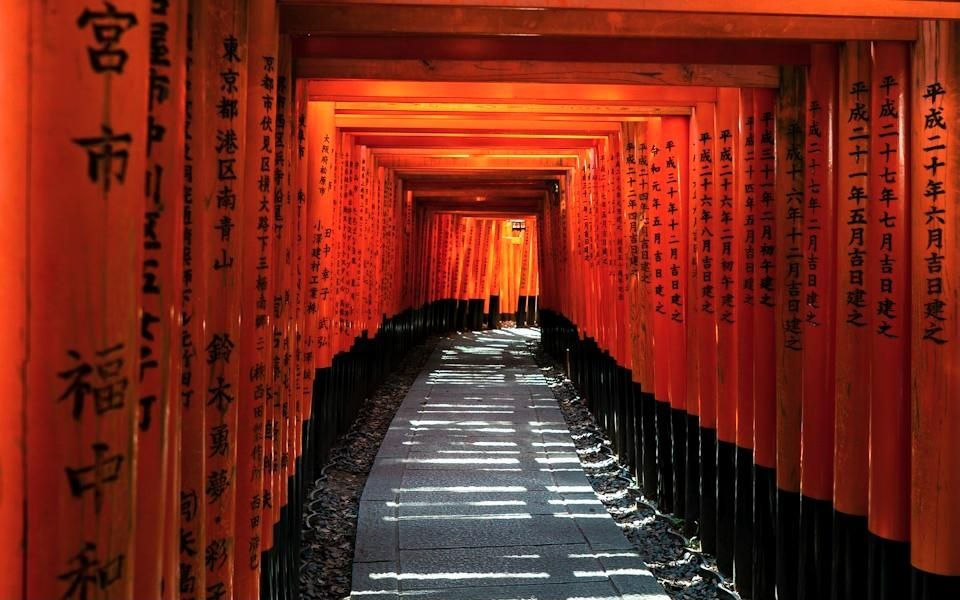
Kyoto: Fushimi Inari Taisha and Arashiyama are conveniently reached by JR from Kyoto Station. Gion and Kiyomizu-dera are better served by Keihan, Hankyu, or city buses—JR doesn’t go directly, so budget extra time for walking or transfers.
Nara: Both JR and Kintetsu serve Nara. Kintetsu Nara Station is closer to Nara Park and Todai-ji; taking Kintetsu from Namba is straightforward. JR Nara Station is slightly farther, reachable on foot or by bus.
Kobe: JR Sannomiya and Hanshin/Hankyu Kobe-Sannomiya are both central. Exploring the Kitano area or the harbor makes little difference between operators. If you’re adding Himeji, JR is more convenient.
- Combination suggestions: Osaka + Kyoto + Nara or Osaka + Kobe + Himeji favor JR passes. For itineraries focused on east Kyoto and Nara, or staying in Namba or Umeda, compare private railway passes too.
- Cost calculation: List every single-trip segment day by day, add them up, and compare with the pass price. If there’s no clear savings, skip the pass.
Consecutive vs. Non-Consecutive Passes
Consecutive passes count days from activation onward—even days you don’t travel count down—so they suit itineraries with daily intercity trips. Non-consecutive passes let you choose which days to use within a validity period, ideal if you have days exploring just Osaka’s city center via subway.
- Planning tip: If you can only get a consecutive pass, schedule Osaka-only days before pass activation or after expiration, and concentrate Kyoto, Nara, and Kobe trips on the remaining days.
- Key check: Each pass type has different day rules—verify which type before booking.
Exchange and Seat Reservation
Most international visitor passes are pre-purchased overseas and exchanged in Japan using an exchange voucher and passport at designated station windows. Kansai International Airport has windows—handling this on arrival day is most convenient. Lines can form during busy times; allow about 30 minutes.
- Seat reservation: To guarantee a seat on limited express or bullet trains, show your pass and passport at the station ticket office or service window. On weekends, holidays, and during cherry blossom or autumn foliage season, book the day before.
- Private railway limited express: Some private railway passes charge extra for limited express trains or have special rules—confirm before use.
- Digital versions: Some passes have e-ticket options; follow the official latest instructions for collection and use.
Travel Tips
- Check your starting point: From Kansai International Airport to the city, decide whether to take JR or a private railway first, then decide if the pass should activate that day—you don’t have to start the pass the moment you land.
- Allow time for exchange: Windows and automated machines can have queues during peak hours; if you’re in a rush (e.g., catching a bullet train), arrive 30 minutes early.
- Watch gate compatibility: JR passes only work at JR gates; private railway passes only at that operator’s gates. When transferring, check exits carefully and don’t tap the wrong gate.
- Avoid rush hours on popular routes: Buses in Kyoto and Nara are crowded on holidays and during cherry blossom or autumn foliage season. If your pass doesn’t include buses, take trains and walk, or set out early.
- Rainy day backup plan: Swap outdoor sights for indoor ones on rainy days—Kobe’s shopping streets or Osaka’s museums—and save your pass for good weather.
- Always carry your passport: You’ll need it for exchange, seat reservation, and some checks. Keep it with you and take photos of your pass as backup.
This article was prepared and written by the editorial team at Japan Travel Navigation. Attractions and transportation details change—verify with each facility and official announcements before departure.
Please follow the latest official releases for actual conditions.
This article was translated from our Traditional Chinese edition.