Kansai Airport to Osaka City: Nankai, JR, or Airport Bus—Which to Choose
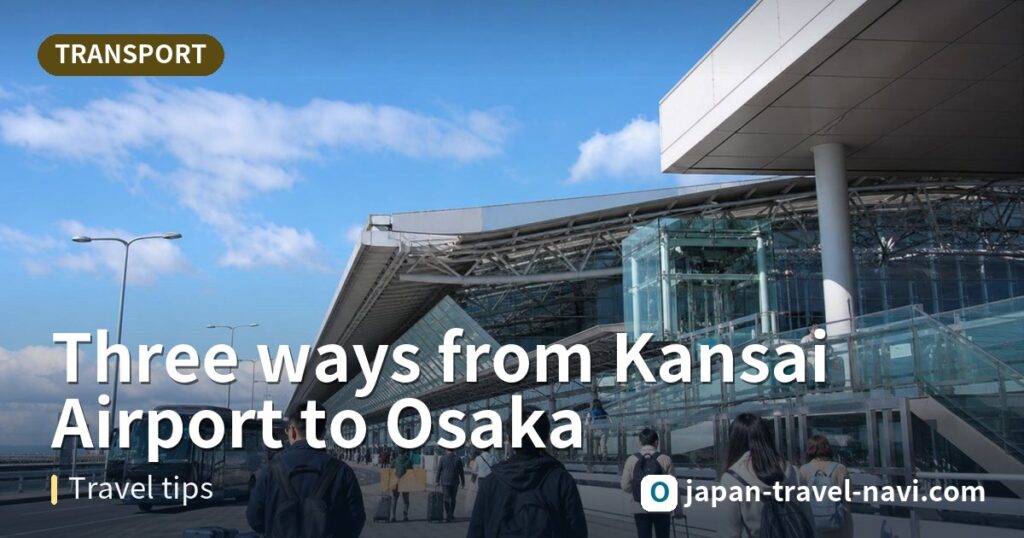
Visitors staying in Namba find Nankai Railway most convenient. Those heading to Umeda or going straight to Kyoto should consider JR or airport bus instead. From Kansai International Airport to the city, trains take about 40–70 minutes. On arrival day, allow 1.5–2 hours to reach your hotel, including immigration, baggage claim, and transfers. If you’re arriving late at night, check schedules in advance and prepare a backup plan.
Contents
Three transport options at a glance
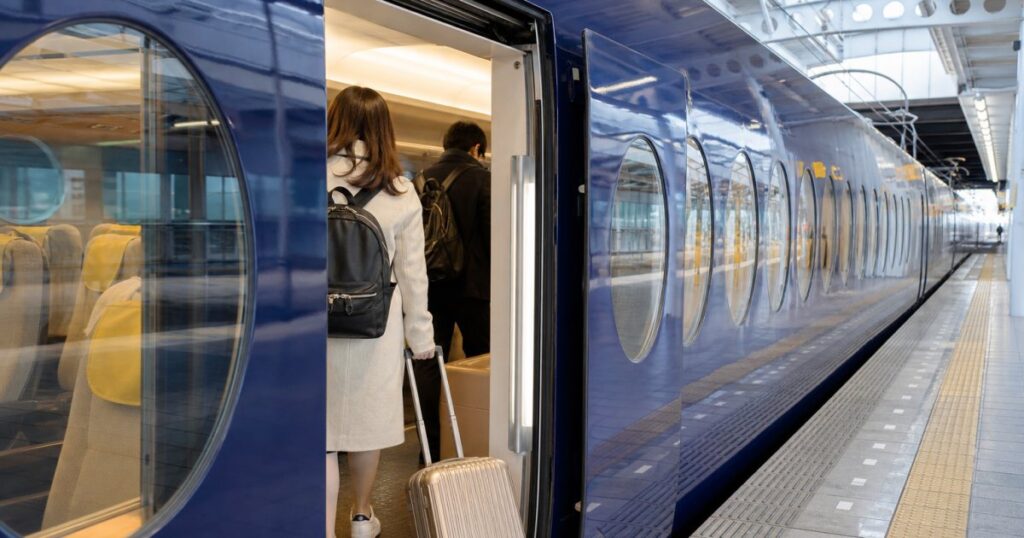
Nankai Railway terminates at Namba and offers the Rapi:t Limited Express (ラピート), which is fully reserved seating, as well as the Airport Express (空港急行), which requires no advance booking. The former takes about 40 minutes; the latter is slightly slower but works well when you have lots of luggage or want simplicity. JR’s Kansai Airport Line (関空快速) goes directly to Osaka Station and Tennoji, taking about 50–70 minutes with no reservations required—ideal if you already have a JR Pass. Airport limousine buses (リムジンバス) spare you the hassle of dragging luggage between vehicles, but travel times vary with traffic.
Simple rule of thumb: choose trains if punctuality matters; choose the airport bus if you have heavy luggage and prefer not to transfer.
Staying in Namba, Shinsaibashi, or Dotonbori: Take Nankai directly
Hotels in this area are nearly all within walking distance of Namba Station, so you can walk straight to your hotel without changing trains. After arriving at Namba Station, if you pick the wrong exit, the underground passages can feel like a maze. Set your hotel location in Google Maps beforehand and follow the navigation to pick the right exit.
If your luggage is heavy, store it in a coin locker at the station or drop it at your hotel before heading out to explore. If you plan to visit the Tennoji or Tsutenkaku area the next day, you can take the subway from Namba—it’s about 10–15 minutes.
Staying near Umeda or Osaka Station: JR or airport bus may be better
For accommodation around Umeda, the most direct option is the JR Kansai Airport Line to Osaka Station, with no transfers needed, taking about 70 minutes. Check the platform display before boarding, as this train sometimes links or separates from car sections heading in other directions—boarding the wrong section might require a mid-journey transfer.
Alternatively, you can take Nankai to Namba and transfer to the Midosuji Line (御堂筋線) to Umeda. This adds one transfer but trains run frequently, arriving in about 10 minutes. If you’re carrying large luggage and prefer not to climb stairs, an airport limousine bus direct to the Umeda area may be easier, though you should check the official website for current stops and schedules.
Late-night arrival backup plans
If your flight is delayed or you arrive late at night, trains and buses may have stopped running or services may be very limited. After landing, check the official timetable—don’t rely on memory from daytime travel.
Three backup options: First, take a late-night airport bus if available—confirm beforehand whether it’s running. Second, take a taxi, though the distance and fare are high and cost-sharing with fellow passengers makes more sense. Third, book accommodation near the airport or in the Izumisano area and head to the city center the next morning. When your flight is very late, the third option often causes the least trouble.
Going straight to Kyoto
If you’d rather not stop in Osaka, the simplest option is the JR Haruka Limited Express (はるか), which goes directly to Kyoto Station in about 80 minutes and stops at Tennoji and Shin-Osaka along the way. Before departure, check whether Haruka’s special discounted ticket for international visitors is still available.
Another choice is the airport limousine bus direct to Kyoto Station—no transfers, though it takes longer. This suits travelers with lots of luggage who want to rest during the ride. If your destination is the Kawaramachi or Gion area of Kyoto, transfer to a city bus or subway after reaching Kyoto Station; consider storing luggage at your hotel first.
Transport and itinerary reminders
- Decide where you’re staying before choosing your route: Nankai for Namba, prioritize JR or airport bus for Umeda to avoid an extra transfer.
- Check the car direction when boarding JR: The Kansai Airport Line may link or separate from cars heading other directions. Confirm the platform display and car destination before boarding.
- Check Nankai Limited Express seat availability in advance: Rapi:t uses reserved seating. During peak seasons or late arrivals, confirm whether seats are available that day; if not, switch to the Airport Express.
- Avoid rush hour if you have heavy luggage: Early morning and evening trains are crowded, and elevators at Namba or Osaka Station may have long queues. Consider resting at a café first.
- Prepare a backup plan for late-night flights: Check the final train and late-night bus information. If needed, book accommodation near the airport in advance—don’t wait until you arrive to search.
- Check official sources for passes and discounts: Before departure, verify the latest details and purchase methods for passes and discount tickets on official websites.
This article was compiled and written by the Japan Travel Information Station editorial team. Attractions and transport information may change. Please verify the latest information from each facility and official announcements before your trip.
Always refer to the latest official information.
This article was translated from our Traditional Chinese edition.
Related reading
 Kyoto by foot, bike, and taxi: how to combine them for the best use of time and energy
 Getting to Arashiyama: Comparing JR, Randen, and Hankyu Transit Options
 How to Get from Kansai Airport to Kyoto: Express Trains, Buses, Late Arrivals & Return Options
 Kyoto Metro, JR, Keihan & Hankyu: Complete Transit Guide to Skip Bus Traffic