JR Hokkaido Pass: How to Choose Between All-Hokkaido, Regional and Sapporo-Area Options
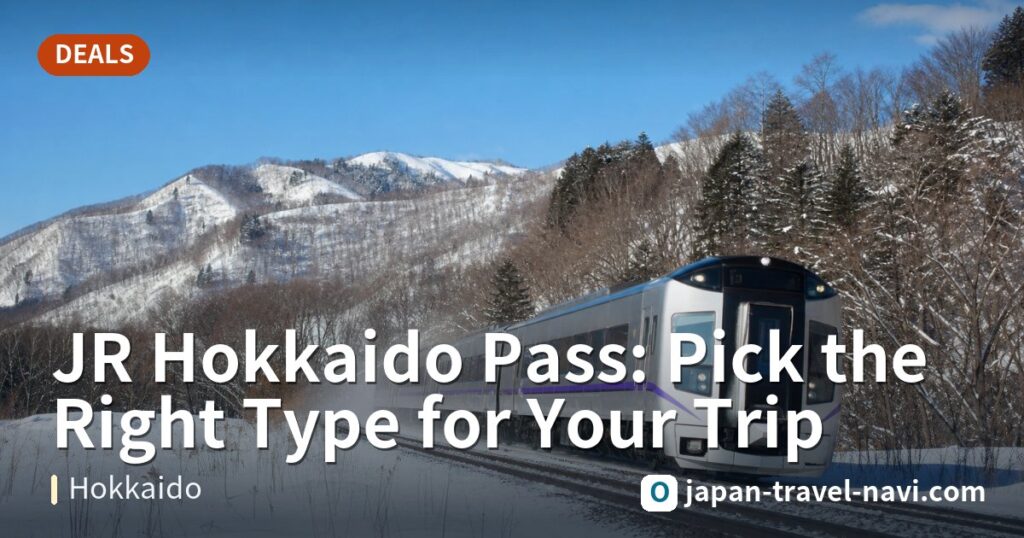
If you’re planning to travel between two or more cities in Hokkaido (such as Sapporo, Hakodate, Asahikawa, and Furano) and staying for 5 days or longer, it’s worth seriously comparing rail passes. If you’re only staying around Sapporo, Otaru, and New Chitose Airport, single tickets plus a transit IC card are usually enough. We recommend planning your itinerary 1–2 weeks before departure, then deciding which pass type suits you best.
Contents
All-Hokkaido vs. Regional Pass: Check How Far You’re Going
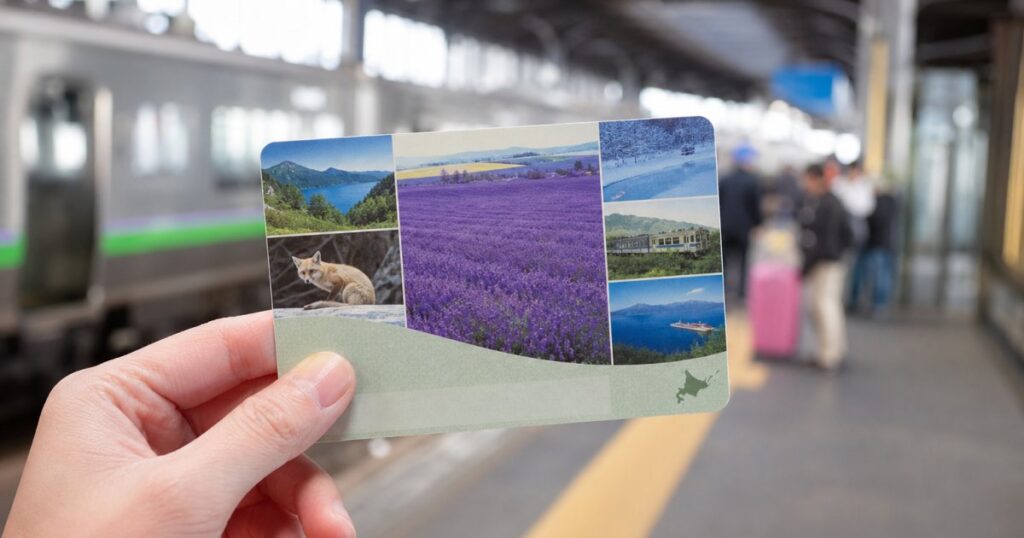
The All-Hokkaido Rail Pass (北海道レールパス) covers the widest area and is best for longer trips visiting Sapporo, Hakodate, and eastern Hokkaido. Regional passes limit coverage to specific directions—for example, from Sapporo toward Asahikawa and Furano, or toward Hakodate and Noboribetsu—and suit travelers focusing on one direction. Pass types, valid days, and covered routes change over time, so check the official website for the latest details before your trip.
Practical tip: Mark your accommodation cities on a map each day. If your lodging spans central and southern Hokkaido, prioritize the all-Hokkaido pass. If two base locations cover everything, go straight to regional passes—you’ll usually waste less.
Use “Number of Trips” to Decide if It’s Worth It
Don’t guess—calculate it yourself:
1. List each JR journey segment: for example, New Chitose Airport to Sapporo, Sapporo to Asahikawa, Asahikawa to Furano, Sapporo to Hakodate.
2. Check the official website or connection search tools for the single-ticket cost of each segment and add them up.
3. Compare with the pass price, factoring in whether you’ll use limited express trains and reserve seats.
Generally, one round trip on a long-distance limited express like Sapporo–Hakodate (about 3.5–4 hours) is enough for the pass to match the total single-ticket cost. If you only have 1–2 short trips total, a pass isn’t necessary. Also confirm whether the pass covers the Hokkaido Shinkansen, buses, and non-JR lines—these vary by ticket type.
Reserved Seats: Book Your Seat the Day You Get the Pass
Passes typically allow free reserved-seat bookings up to a certain number, but popular time slots can fill up. We recommend going to the station ticket office (みどりの窓口) or reserved-seat machine the day you receive your pass to book long-distance limited express seats for the following days in advance.
- Bring your passport when exchanging the pass; New Chitose Airport or Sapporo Station are good places to get it.
- In peak seasons (summer lavender season, around winter snow festival), book popular departures in advance rather than taking your chances at the station.
- If no reserved seat is available, you can take an unreserved seat, but it’s tiring with large luggage—allow flexible travel time.
- Whether you can book online depends on official announcements.
Just Exploring Sapporo Area: Single Tickets and IC Cards Often Cost Less
If your itinerary is New Chitose Airport, Sapporo, Otaru, and Jozankei, travel times between these are short (airport to Sapporo about 40 minutes, Sapporo to Otaru about 30–40 minutes), trips are few, and passes rarely pay for themselves.
Alternative options:
- Use a transit IC card after arriving to ride JR, Sapporo’s municipal subway, and streetcars—no need to buy individual tickets each time.
- Visit Otaru as a same-day trip: leave early morning, return to Sapporo in the evening, no hotel change needed.
- For Jozankei hot springs, plan a half-day or full day and take a bus from Sapporo—check the last return bus time in advance.
- If weather turns bad, explore underground arcades and indoor malls instead of forcing outdoor activities.
Three Types of Travelers, Three Tips
- 5+ days, traveling across central and southern Hokkaido: Prioritize comparing the all-Hokkaido pass.
- 4–5 days, focused on Sapporo, Asahikawa, Furano: Check regional passes, or just buy single tickets.
- 3–4 days, only around Sapporo: Single tickets plus IC card—easy and economical.
Travel Tips
- Calculate before buying: Look up each JR single-ticket cost, add them up, and compare with passes—don’t decide by guesswork.
- Book seats early: Reserve long-distance limited express seats the day you get your pass. This is especially important in peak season and on weekends.
- Allow connection time: Routes from Sapporo to Furano and Biei often require transfers at Asahikawa—allow 20–30 minutes buffer.
- Add flexibility in winter: Snow can cause train delays or cancellations. Don’t schedule tight connections after important trains, and have backup routes ready.
- Store luggage in advance: Deposit large baggage in lockers at Sapporo Station or New Chitose Airport to lighten transfers.
- Confirm coverage: Check whether your pass includes the Shinkansen, buses, and third-party railways on the official website before departure.
This article was compiled and written by the editorial team of Japan Travel Navigator. Attractions and transportation information may change—please verify with official sources and facility announcements before your trip.
Please refer to the latest official announcements for current details.
This article was translated from our Traditional Chinese edition.