JR East Pass Guide: Coverage, Seat Reservations, and When to Skip It
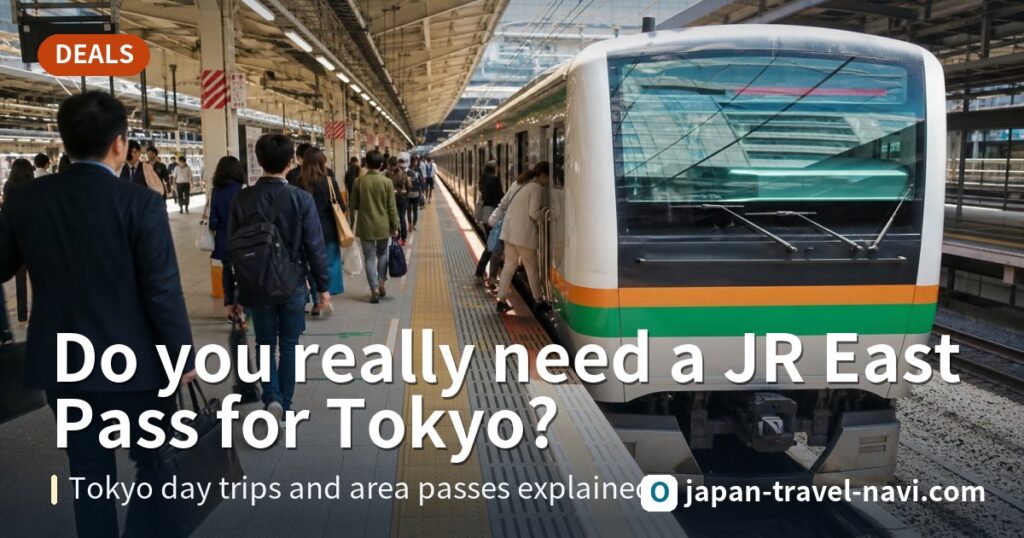
If your Tokyo itinerary includes one or two day trips—such as Nikko, Karuizawa, or Lake Kawaguchi—and you plan to travel over several consecutive days, a rail pass might pay off. If you’re staying only in Tokyo or visiting just one suburban spot, you probably don’t need one. Before you go, spend 10 minutes mapping out each leg of your journey and adding up the individual fares to decide.
Contents
Check the coverage map first, not the name
Step one in choosing a pass is confirming whether your destinations are included. The most-discussed option for Tokyo suburbs is the Tokyo Wide Pass (東京ワイドパス), which covers JR lines around Tokyo plus some connected private railway sections. It reaches toward Nikko, Karuizawa, Izu, the Lake Kawaguchi area, and Echigo-Yuzawa. It’s designed for consecutive-day use, ideal if you can cluster several distant trips into one time block.
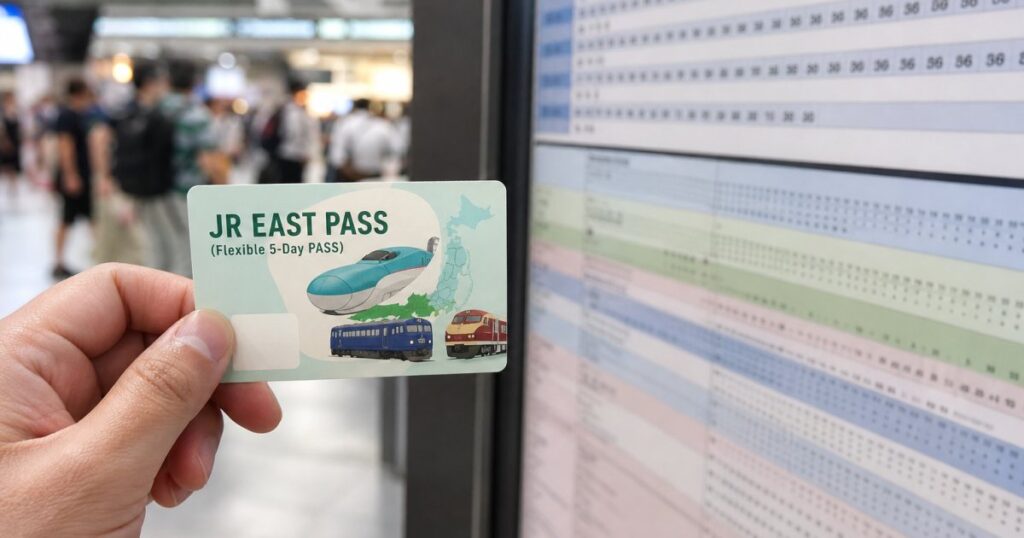
If you’re heading north to the Tohoku region or toward Nagano and Niigata, look at regional versions of the JR EAST PASS, which typically let you pick your usage days within a set period. Both pass types may change their day rules, coverage areas, and eligible train types, so check official information before you travel. Note that private railways and cable cars in the Hakone mountain area usually fall outside JR pass coverage and need separate planning.
Helpful suburban trip combinations
A pass’s value comes from “hitting multiple lines within consecutive days.” Here are some practical arrangements:
- Nikko plus Tokyo city: Nikko works best as an early morning departure with a full day there. You can swing back through Tokyo for dinner on the way home.
- Karuizawa day trip: The shinkansen takes just over an hour each way, so an early start and late return works best. If it rains, shift those hours to shopping malls and cafes.
- Lake Kawaguchi area: You’ll need transfers from Tokyo; it’s roughly 2 to 3 hours one way. Set aside a full day and don’t try to squeeze in a second spot.
- Izu direction: The route is longer; an overnight stay is better so you get real value from the pass.
Fit two or three of these into consecutive days to break even; spreading them several days apart means a consecutive-day pass isn’t worth it.
How to reserve seats
Shinkansen and most express trains benefit from advance reservations, especially during peak season and weekends. With a rail pass, you can usually reserve assigned seats (指定席) at JR ticket offices (みどりの窓口) or at dedicated seat vending machines in stations. Many pass versions also support online or app booking, but eligible trains, reservation limits, and opening hours vary by pass type. Check official details for accuracy.
Three practical habits: First, go reserve your seats for the next several days on your first day in Tokyo. Second, carry your passport—you may need it for both exchange and reservations. Third, if you can’t get a reserved seat, unreserved seating (自由席) is available, though you might stand during peak times. Best to avoid Friday evenings and holiday periods. Regarding first-class cars (グリーン車), most passes cover standard seating only. Check the upgrade rules separately.
Trips where you don’t need a pass
In these cases, an IC card or individual tickets usually work better:
- Staying only in Tokyo: The Yamanote Line, subway, and metropolitan trains are dense enough. You don’t necessarily need a pass for city movement.
- One suburban destination only: For example, a day trip to Yokohama or Kamakura. Fares are straightforward, and a pass often doesn’t pay for itself.
- Scattered itinerary, short distances: If you’re only taking one or two short train rides per day, a pass is unnecessary.
The method is simple: add up each leg’s one-way fare (including shinkansen or express surcharges), then compare to the pass’s official price. If the difference is small, go with individual tickets for flexibility—no regret about “wasting” the pass.
Travel tips
- Decide which day you’re going farthest, then work backward to set your pass’s usage period. This avoids burning pass days on city travel.
- On weekends, holidays, and during autumn foliage and cherry blossom seasons, shinkansen and express reserved seats fill fast. Make your reservations as soon as you arrive in Japan.
- Check platform numbers and departure times in advance. Suburban routes don’t run as frequently as city trains, so missing one might mean a long wait.
- Don’t book your return trip too tight. Confirm the last train times using the official schedule before you leave, especially toward Karuizawa and Lake Kawaguchi.
- If you have lots of luggage, store it in lockers at Tokyo or Shinjuku Station, travel light to the suburbs, and budget time to find an available locker.
- Pass coverage, eligible trains, and purchase methods can change. Check official information before departure.
This article was prepared by the Japan Freedom Travel Info editorial team. Attraction and transportation details may change. Please check the latest information from each facility and official announcements before you depart.
Always verify current official information before your trip.
This article was translated from our Traditional Chinese edition.
Related reading




More from Tokyo
More Christmas Shopping Pop-up at Ichigaya Station (Toei Shinjuku Line) Nov 25–Dec 26
 Nov 22: 20th Bakuretsu Festival – Airsoft & Tactical Gear Showcase
 Nov 28–29 Ikebukuro Sunshine City Furniture Clearance Sale – Free Entry
 Marunouchi Building’s RIMTAE Debuts Black Tea Blooming Tea with Peony and Chrysanthemum