Day Trip or Overnight: Jozankei Hot Spring from Sapporo—Transport, Fall Foliage & Foot Bath Guide
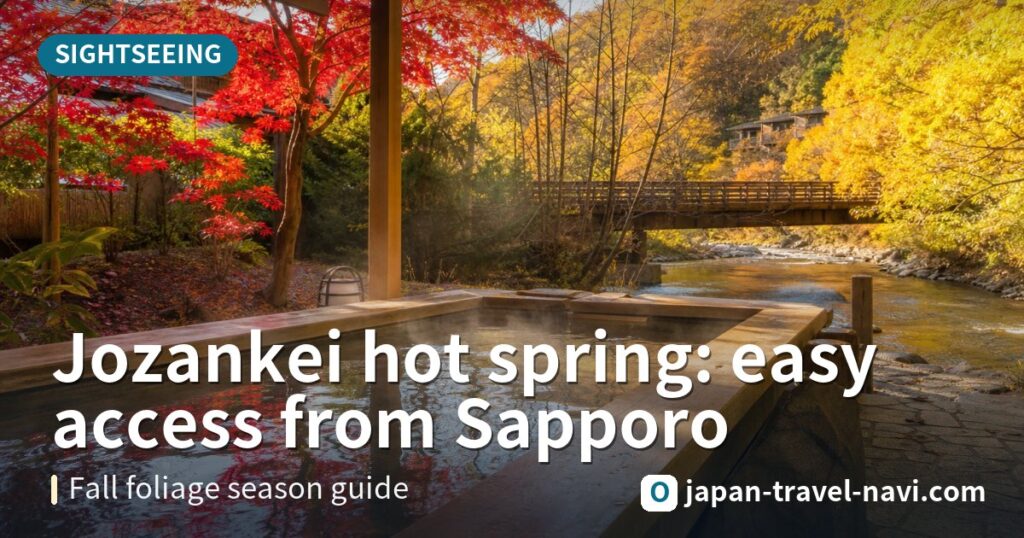
If you want to add a hot spring getaway to your Sapporo itinerary without the hassle of multiple transfers, Jozankei is an excellent choice. A day trip typically requires 5–6 hours, while staying overnight lets you soak longer and enjoy the night scenery at a more leisurely pace. During fall foliage season, aim for an early morning departure to catch better daylight and avoid afternoon crowds.
Contents
Getting there from central Sapporo: mainly direct bus
Jozankei is not on a JR line, so buses are the main way in and out. Direct buses run from Sapporo Station area or around Odori Park, taking about an hour with no transfers required—convenient even with luggage. Alternatively, take the subway to a transfer station on the south side and then switch to a bus, which works well if you’re staying in south Sapporo.
Bus schedules and pickup locations vary by season, so check official information before you go and screenshot the last return bus time. Some hotels offer shuttle service for guests; confirm whether you need to book in advance by contacting the hotel directly.
Day trip vs. overnight stay
Day trip suits those who just want to experience the hot spring town atmosphere. Aim to arrive around 10 a.m., stroll and grab lunch, then soak at a hotel offering day-use bathing for about 1–1.5 hours. Catch an early evening bus back to Sapporo, leaving your evening free for dinner in Susukino without feeling rushed.
Overnight stays offer two main perks: the valley is quiet and uncrowded from evening to early morning, making strolls completely different; and you can bathe twice without rushing to catch a bus. If planning a fall foliage visit, book accommodation early as rooms fill quickly. An overnight stay lets you explore the hot spring town the next morning, catch a midday bus back to Sapporo, and still have time for New Chitose Airport or Otaru connections.
Fall foliage timing: focus on the Toyohira River banks
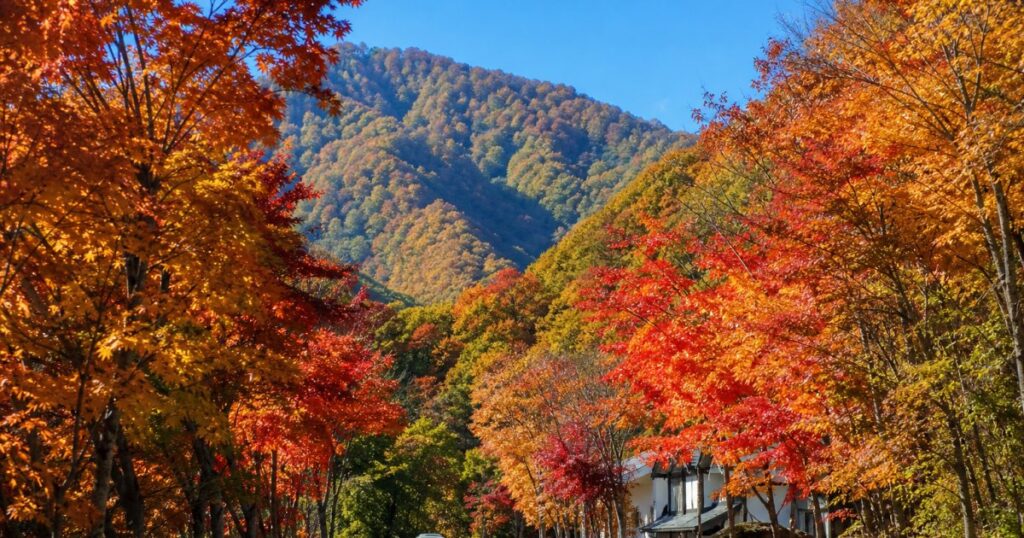
Jozankei’s autumn colors line both sides of the Toyohira River, typically peaking from mid- to late October, though exact timing varies yearly. Check official updates before departure. Here’s how to plan your foliage viewing:
1. From the bus station, walk slowly along the riverbank—you can cover the main hot spring town area in 30–40 minutes.
2. Head to Futami Suspension Bridge (二見吊り橋), where you’ll find the best shots of the valley and foliage together—this is the most iconic spot in the hot spring town.
3. If time allows, visit Toyohira Dam area for more foliage. Access and seasonal openings change, so confirm in advance.
Rainy days can actually intensify the leaf colors in the mountains. Shorten outdoor walks and head to your hotel early for a soak; venture back out once the rain lightens.
Strolling the town and foot baths: time them perfectly
Jozankei’s hot spring town is compact and perfect for casual walking. You’ll spot many kappa (river sprite) figurines around—fun to spot while strolling. When tired, find a foot bath (あしゆ) to rest; just slip off your shoes and roll up your pant legs. Bring a small towel—autumn temperatures are cool, so dry your feet immediately after soaking to stay warm.
Use foot baths at two key times: right after getting off the bus to warm up before exploring, and before heading back, soaking for 10–15 minutes so you’ll sleep better on the ride home. Check on-site notices for current opening times and rules.
Transport and trip reminders
- Check return bus times first: Mountain routes run less frequently than city buses. Confirm the last bus back to Sapporo before you leave and allow a 20–30 minute buffer to avoid soaking too long and missing your ride.
- Depart early during peak foliage: Holiday afternoons bring road congestion and crowded buses. Head out in the morning and start heading back by 3–4 p.m.
- Store luggage: For day trips with large bags, use coin lockers at Sapporo Station or ask your hotel to hold them. Traveling light makes walking the riverbank paths much easier.
- Weather and warmth: Autumn mountain areas have big temperature swings between morning and evening, and wind can be strong near bridges and riverbeds. Bring a light jacket and slip-resistant shoes; wet pathways are slippery in rain.
- For drivers: Mountain roads have many curves, and frost may appear on pavement in late autumn. Check tire condition and road status beforehand, and locate parking early—peak season lots fill quickly.
- Watch sunset times: Autumn darkness comes early; as light fades by the river, paths become harder to navigate. Finish foliage viewing and return to town or your hotel before dark.
This article was compiled by the Japan Free Travel Information Station editorial team. Attractions and transport information may change; always check the latest official updates before you go.
Please verify current conditions with official sources.
This article was translated from our Traditional Chinese edition.