Itoshima Coast Day Trip: Torii Gate, Couple Rocks, Sunset and Café
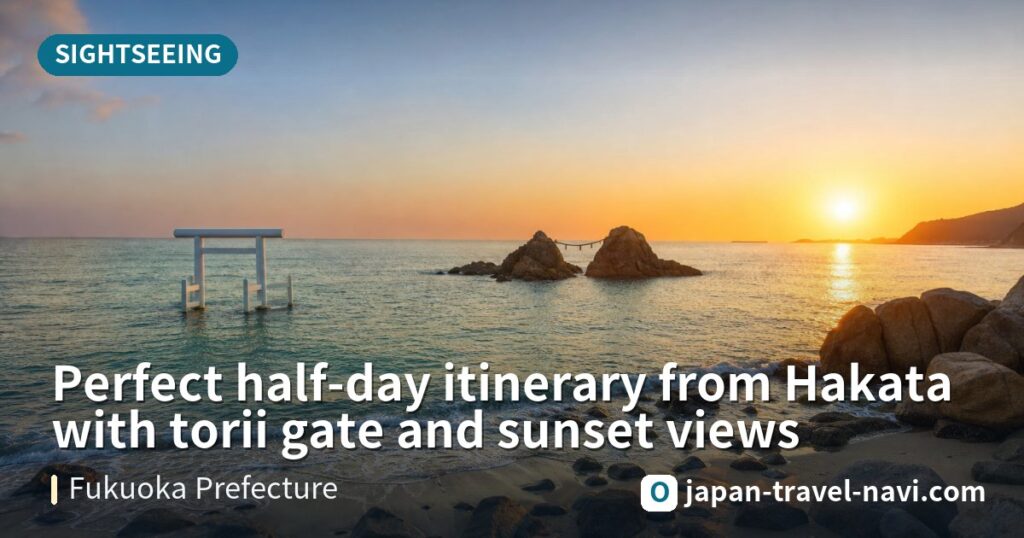
Itoshima Coast is perfect for visitors departing from Hakata who want to arrange a half-day to full-day light getaway. It’s especially suited for those who love photography, leisurely walks and simply taking in the scenery. The recommended plan is to depart in the afternoon, saving the sunset for the end of your itinerary—the whole experience takes about 6 to 8 hours. Since attractions are scattered along the coast, there’s no need to cram everything in. Focusing on Sakurai Futami-ga-ura, a relaxing café session by the sea and catching the sunset is more than worthwhile.
Contents
- Itinerary order: afternoon start, sunset finale
- Sakurai Futami-ga-ura: torii gate and couple rocks by the sea
- Sunset timing: arrive an hour early to secure your spot
- Seaside café area: take it slow, don’t overpack your schedule
- Transportation trade-offs: public transit vs. rental car
- Transportation and itinerary reminders
Itinerary order: afternoon start, sunset finale
From Hakata or Tenjin, take the subway Airport Line which connects directly to the JR Chikuhi Line heading toward Chikuzen-Maebaru—the journey takes about 40 to 50 minutes. Once you arrive, transfer by bus or taxi to the coastal area. It’s best to arrive around lunchtime, explore the seaside spots first, enjoy coffee and rest in the afternoon, and finish with the sunset. If you want to squeeze in one more location, consider Keya-no-ooto (芥屋大門), a sea cave with dramatic views, but it’s positioned further north; the extra travel time between it and Futami-ga-ura means you may not fit everything into one day.
Sakurai Futami-ga-ura: torii gate and couple rocks by the sea
Sakurai Futami-ga-ura (桜井二見ヶ浦) is Itoshima’s most iconic landmark. A pair of large rocks (called the “couple rocks”) stands in the water, connected by a thick rope, with a white torii gate planted on the sand nearby. These are part of the sacred landscape of Sakurai Shrine (桜井神社). Plan to spend 40 to 60 minutes here: first visit the shrine, then take a leisurely walk along the coast. The appearance of the torii gate and rocks changes with the tide, so check tide times before you go. If you want to photograph the torii gate close to the water’s surface, aim for times near high tide. The sea breeze and waves are powerful, so wear shoes with good grip to avoid slipping on wet rocks.
Sunset timing: arrive an hour early to secure your spot
The couple rocks and torii gate are popular sunset photography locations, and crowds noticeably increase on clear evenings. Arrive at the coast about an hour before sunset to find a good spot and then wait for the light to change. Around summer, the sun sets closer to the couple rocks, which makes for better composition, but the exact position depends on the day. In winter, the sun sets early and temperatures drop rapidly once it gets dark, so bring a jacket. If you encounter rain or heavy cloud cover, consider watching from a café window by the sea instead of waiting it out.
Seaside café area: take it slow, don’t overpack your schedule
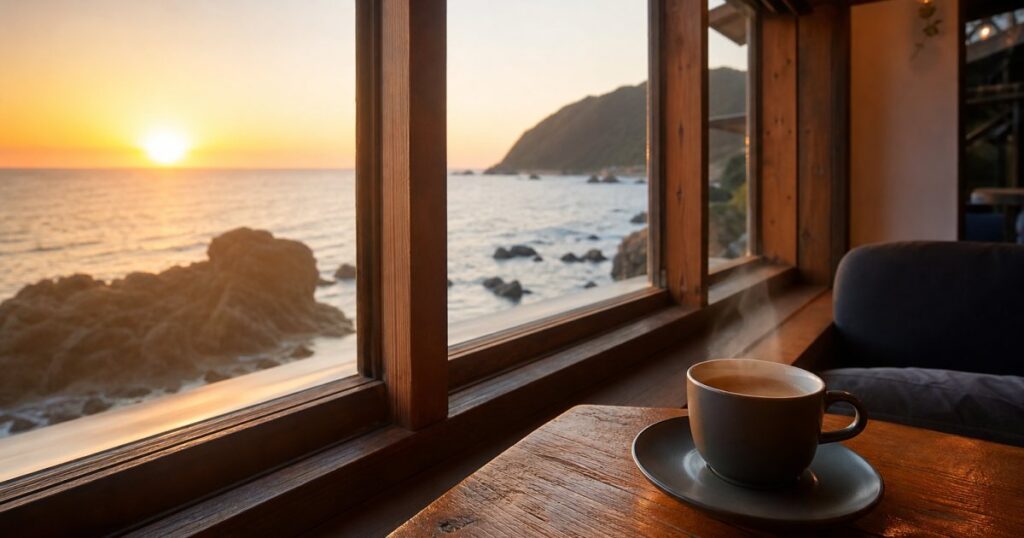
The Itoshima coast is dotted with cafés and small shops with sea views, most scattered along the coastal road rather than clustered together. Choose 1 to 2 locations at most, spending about an hour at each, and focus on “enjoying the view” rather than collecting checkmarks. Spring and autumn offer stable weather with comfortable outdoor seating; summer sun is intense, so stopping early for shade is wise; winter winds are strong, making indoor window seats more pleasant. Each shop has different closing days and hours, so check official information before heading out, especially on weekdays or during typhoon season.
Transportation trade-offs: public transit vs. rental car
Using public transportation is most hassle-free, but bus frequency in the coastal area isn’t high—check return times in advance. If you’re in a group of 3 or more, or want to visit multiple coastal spots, consider switching to taxis at the station for segment-by-segment travel. Rental cars offer flexibility, but the coastal roads and parking areas get congested around sunset. If you’re not comfortable driving in Japan, it’s worth weighing your options carefully.
Transportation and itinerary reminders
- Public transit: Take the subway Airport Line from Hakata or Tenjin, which connects directly to the JR Chikuhi Line to Chikuzen-Maebaru Station, then transfer by bus. Check outbound and return times in advance, especially the last evening buses.
- Build in return-trip buffer time: After sunset, it’s dark and buses become less frequent. Decide in advance whether you’ll take a bus or switch to a taxi on the way back to avoid getting stuck at the coast.
- Self-driving reminder: Coastal roads are mostly narrow two-way streets and get congested on weekends and around sunset. Don’t pack your schedule too tightly. Parking is limited—follow local signs and don’t park illegally along roadsides.
- Tides and wave conditions: When photographing near the coast, watch tide levels and waves carefully. Rocks in the reef area are slippery. Visitors traveling with children should be especially careful, and move to a safe spot if waves are large.
- Weather and season: Typhoon season, strong winds or rain can affect seaside spots. Check official updates before departure and have indoor café seating as a backup plan.
- Time allocation: Plan for only 2 to 3 main stops for the day, and make sure to include sunset and return travel time so you’re not rushing.
This article was compiled and written by the Japan Travel Navi editorial team. Attraction and transportation information may change—please verify with each facility and latest official announcements before your visit.
Please check official sources for the most current information.
This article was translated from our Traditional Chinese edition.
Related reading



More from Fukuoka
More Kouyou Hachiman-gu Maple Festival in Fukuoka: Nov 28–29 Features Stalls and Performances
 SHOCK EYE “Hundred Landscapes” Photography Exhibition at Hakata Hankyu
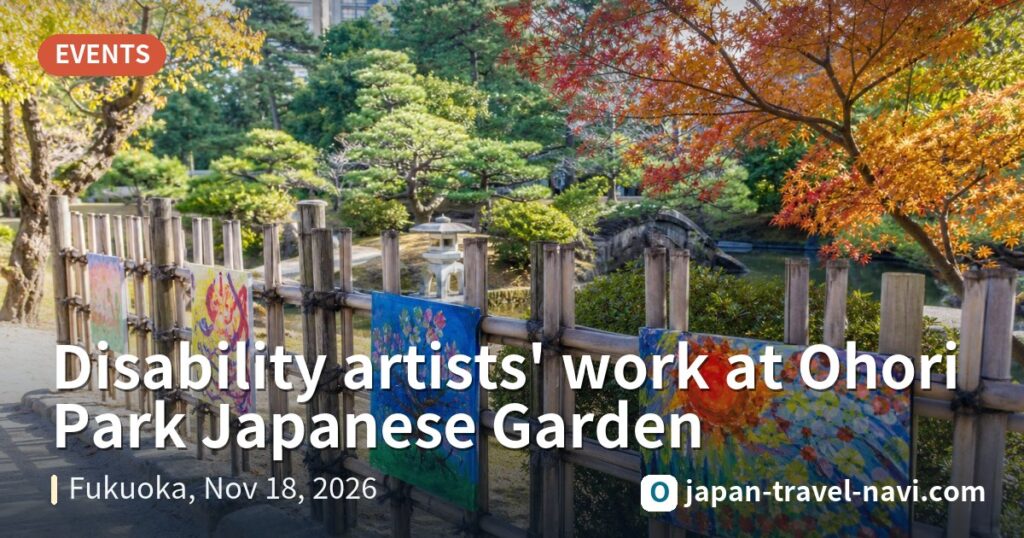 Artwork by Artists with Disabilities on Display at Ohori Park Japanese Garden from Nov 18
 Fukuoka Tower and Ice Skating Park Partner Deal Starting Nov 20, 2026