Hokkaido Self-Drive Guide: Documents, Snow Roads, Wildlife and Gas Station Planning
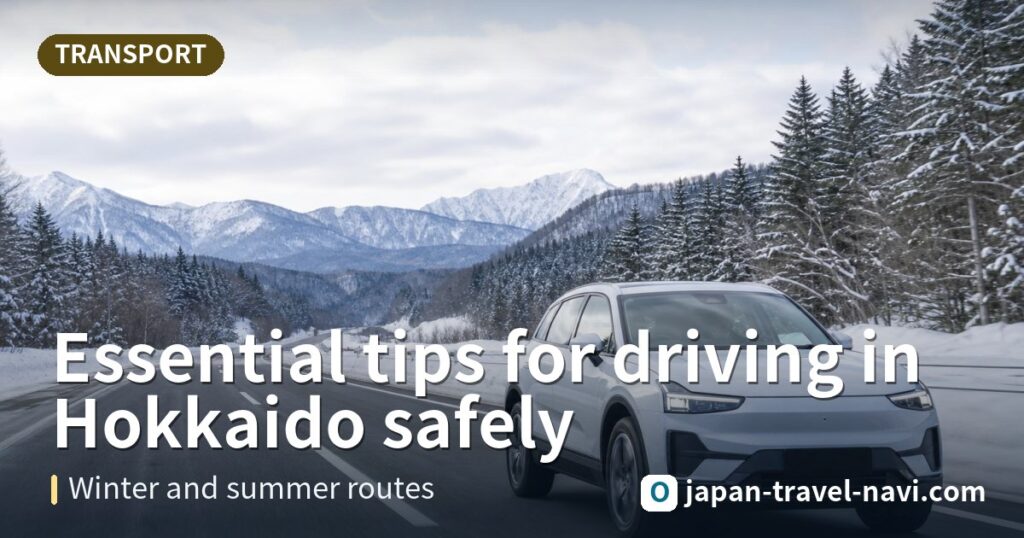
For visitors planning to drive in Hokkaido to explore Furano, Biei or Eastern Hokkaido (Doto), allow at least 3 days and keep daily driving to 4–5 hours. Summer to early autumn offers the simplest road conditions, ideal for first-time self-drivers. Winter snow roads are significantly more challenging; those without snow driving experience should consider train or bus instead, or only drive short distances on stable-weather days. Below are the key things to watch for before departure and on the road.
Contents
Documents and rental car: Three things to check before you go
First, your driving license documents. Depending on where your license was issued, Japan may require either an International Driving Permit or your original license plus an official Japanese translation. Confirm requirements with your license authority and rental car company, and obtain these before departure—you cannot arrange them on the spot.
Second, reserve your rental car in advance. It’s recommended to pick up and return at New Chitose Airport or an outlet in Sapporo; vehicles book up quickly during peak season, so reserve as soon as your plans are confirmed. Third, add an ETC card rental and full insurance coverage. An ETC card saves time at toll booths, while insurance terms and deductibles should be thoroughly reviewed before departure. When picking up the car, photograph any existing scratches and ask whether you need to return the vehicle with a full tank.
Winter snow driving: Slow, distance and gentleness are key
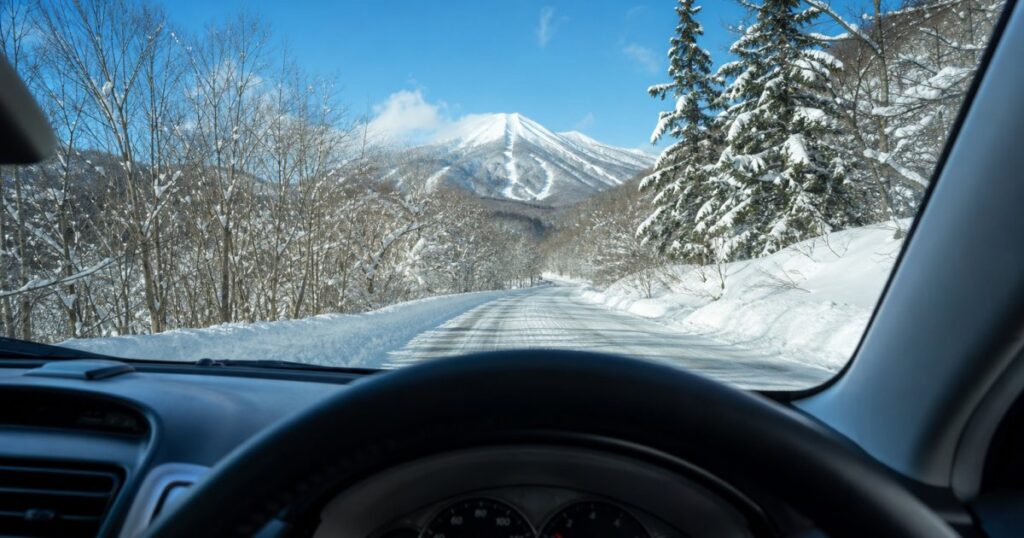
Winter rentals typically come with winter tires, but tires are only the basics. On the road, maintain at least twice your normal following distance. Brake and turn gently and smoothly—never brake or steer abruptly. Black ice (ブラックアイスバーン) can appear on bridge surfaces, tunnel exits, intersections and shaded areas, looking like wet pavement. Reduce speed well before reaching these spots.
If you encounter a blizzard or sudden poor visibility (called ホワイトアウト in Japanese), turn on your hazard lights, find the nearest rest area or parking lot and stop there—never pull onto the shoulder. Winter days end early; aim to reach your lodging in the afternoon rather than scheduling long drives in the evening.
Wildlife: Dusk and dawn are most dangerous
Hokkaido’s rural areas frequently have Ezo deer (蝦夷鹿) and foxes on the roads, especially on Eastern and Northern Hokkaido and mountain routes. When you see the yellow “Wildlife Alert” sign, slow down and watch for reflective animal eyes along the roadside. Dusk, dawn and night are when animals are most active; avoid long drives during these times if possible.
If you hit an animal, first ensure your personal safety, turn on hazard lights, move the car to a safe location, then contact the rental company and police. Do not approach an injured animal. Also, never stop along the roadside to feed animals or take photos—it’s dangerous and teaches animals to approach vehicles.
Gas and rest areas: Use the “half-tank rule”
Towns in Hokkaido are far apart, and gas stations in rural areas may be sparse. When fuel reaches about half a tank, fill up at the next station you see. Japan has many self-service gas stations (セルフ) with multilingual screens. Before fueling, confirm the fuel type—rental companies usually mark it on the car or key tag.
On long drives, stop at a rest area (道の駅) every 1.5 to 2 hours for restrooms, water and to check upcoming road conditions. Rest areas are also good refuges in sudden bad weather. If snow and wind are severe that day, shorten your itinerary and prioritize safety time; you can visit attractions another day.
Traffic and itinerary reminders
- Documents: Confirm required documents with your license authority and rental company before departure. Bring your passport and original license when picking up the car.
- Left-side driving: Pay special attention to oncoming traffic when turning right. At red inverted-triangle “止まれ” (Stop) signs, come to a complete stop before proceeding.
- Winter: Prioritize vehicles equipped with winter tires; if unsure, consider four-wheel drive. Check the latest road conditions and weather forecast before you go.
- Time: Leave buffer time each day and avoid overbooked itineraries. In winter especially, plan to reach lodging before dark.
- Gas: Top up when fuel is around half. Before returning the car, confirm the rental company’s fuel policy.
- Alternatives: Parking in central Sapporo is inconvenient; use subway, train and bus for in-city travel instead. During blizzards or if fatigued, take JR or bus to the next city.
This article was compiled and written by the Japan Travel Navi editorial team. Attraction and traffic information may change; before departure, check the latest updates from each facility and official sources.
Please refer to the latest official announcements for current conditions.
This article was translated from our Traditional Chinese edition.
Related reading
 Kyoto by foot, bike, and taxi: how to combine them for the best use of time and energy
 Getting to Arashiyama: Comparing JR, Randen, and Hankyu Transit Options
 How to Get from Kansai Airport to Kyoto: Express Trains, Buses, Late Arrivals & Return Options
 Kyoto Metro, JR, Keihan & Hankyu: Complete Transit Guide to Skip Bus Traffic