How to Reach Hakodate Mountain Night View: Cable Car vs. Bus Comparison, Best Times & Weather Tips

Hakodate Mountain night view is perfect for first-time visitors to Hakodate, especially those who prefer not to drive. Plan to spend about 2.5–3 hours total, including queuing and traveling up and down the mountain. Ideally, reach the summit 40–60 minutes before sunset so you can see the sunset, the transition as the sky turns deep blue, and the full night cityscape all at once.
Contents
Three ways up: Cable car, bus, or hiking—which to choose
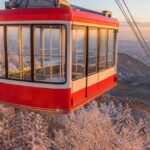
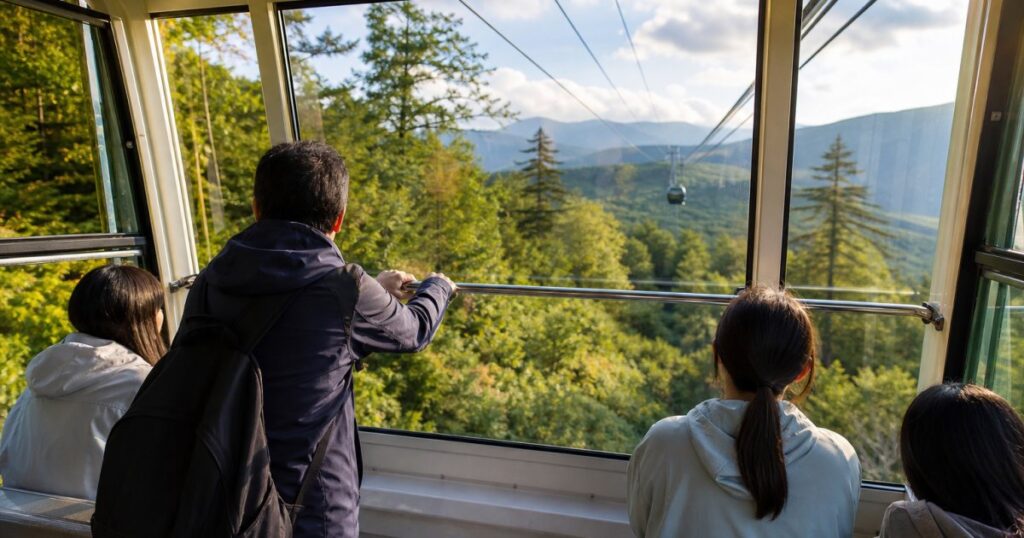
Most visitors take the cable car (ロープウェイ). The base station is about a 10-minute walk from Jūjigai Station on the streetcar line—the uphill walk is not easy, but the route is straightforward. The cable car ride itself takes only minutes; most time is spent in queue. Peak-season evening lines can be long, so arrive at the base station early.
Bus service is a good backup option. The mountain-top bus typically runs seasonally, and its schedule and departure points may change yearly—check official sources before you go. Hiking uses mountain trails; lighting is limited after dark, so overnight descent is not recommended. If you want to hike, do it during the day and take the cable car or bus down at night for the view.
Sunset to night: Timing it right
Sunset times vary greatly by season—check the exact time for your visit date before you leave. Here’s how to schedule your visit:
- About 1 hour before sunset: Arrive at the base station and start queuing to go up.
- About 30–40 minutes before sunset: Reach the summit, secure a good spot, and watch the sky change gradually.
- About 20–30 minutes after sunset: The sky turns deep blue, city lights come on, and the view is at its most beautiful.
- After full darkness: A second wave of crowds arrives. If you want to avoid the rush, take your photos during blue hour and head down early.
For the smoothest flow, explore Motomachi and Kanomorikuigura (Kanemori Red Brick Warehouse) area during the day, then head up the mountain in the evening.
Crowds at the summit and photo spots
The summit observation deck has both indoor and outdoor areas. Indoors you’re sheltered from wind, but glass reflects light. Outdoors the view is unobstructed, but it’s windy and cold, and the railings get packed with people. Here are three practical photography tips:
- Arrive early, claim a fixed spot by the railing, and stay put as the light changes—no need to move around.
- Hold your phone close to the glass or railing, turn off screen brightness and flash to reduce reflections and avoid disturbing others.
- Before using a tripod, check if there are restrictions on-site. During crowded times, always make sure you’re not blocking anyone’s view.
If the crowds are too thick, move to the corners on either side—the angle is slightly off, but you can still capture the arc of the bay’s night lights from both shores.
What to do in bad weather
Hakodate Mountain’s view depends heavily on weather, especially fog and strong wind. Before you go, check the official live camera feed or cable car status to see if the summit is shrouded in cloud. If you can see the mountain’s outline from the base, you usually have a decent chance; if the peak is completely white, consider going another day.
If your schedule is flexible, plan two evenings—check the weather the first day and visit the second. If you only have one evening and it’s foggy, head to the base station to assess conditions before committing to the trip; don’t book other fixed-time activities beforehand. In strong wind or heavy rain, the cable car may stop running—keep monitoring official updates.
Going down and getting back
After viewing, everyone descends around the same time, so wait times can be longer than going up. To save time, head down early after the sky fully darkens and you’ve captured your main shots, or wait a bit at the summit for the crowds to thin. Return to the city by streetcar or taxi; plan for evening frequency and taxi wait times to be unpredictable.
Transport and itinerary reminders
- Rely on public transport: Take the streetcar to Jūjigai Station, then walk about 10 minutes to the cable car base station. Check the final streetcar time before you leave, and confirm current schedules on official sources.
- The mountain-top bus is mostly seasonal, and mountain roads are often restricted at night—don’t decide on a whim whether to drive or take the bus. Plan ahead and verify.
- It’s windy and cold at the summit; temperatures are lower than in the city, so bring a light jacket even on summer evenings. In winter, pack gloves and non-slip shoes.
- Build in flexibility: Peak-season cable car queues can be very long, so don’t schedule dinner reservations back-to-back or you may miss your window.
- Hiking up and down should be daytime only; trail lighting is poor after dark, and nighttime descent is not recommended.
- If weather is poor, check the official live camera first before heading out, and have a backup plan (such as evening shopping or an indoor attraction).
This article has been prepared and written by the Japan Travel Navigator editorial team. Attraction and transport information may change. Please refer to the latest announcements from each facility and official sources before you depart.
Please rely on the latest official information for actual conditions.
This article was translated from our Traditional Chinese edition.