Furano Lavender: Bloom Season, Transport & Connecting Biei in One Day
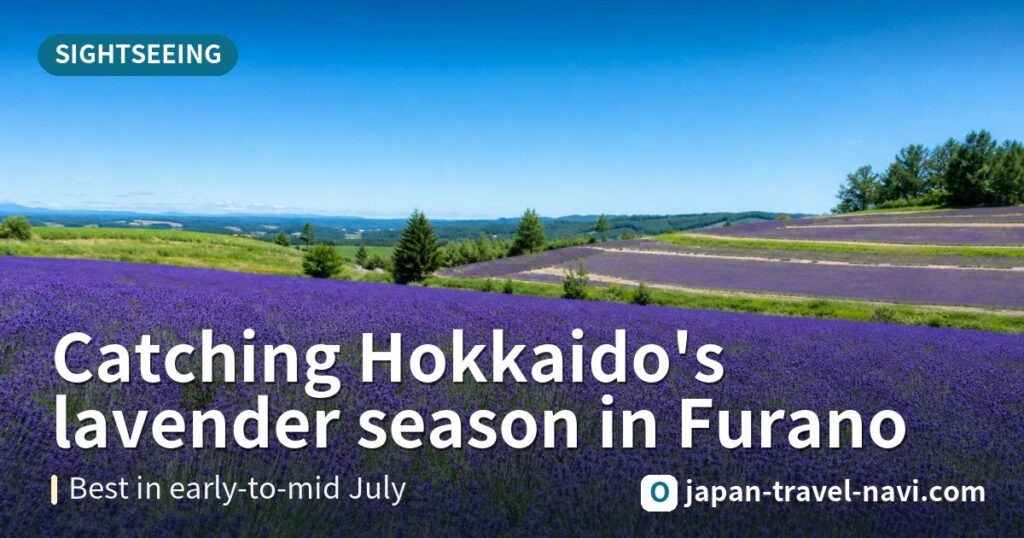
Furano lavender is ideal for visitors who want to see Hokkaido’s vast summer flower fields and are willing to spend a full day traveling. If you plan to combine it with Biei in one day, use Furano or Asahikawa as your base and set aside a full day. Peak bloom typically occurs in early-to-mid July. Morning or late afternoon visits are recommended for softer light and fewer crowds than at midday.
Contents
Timing the Bloom Season
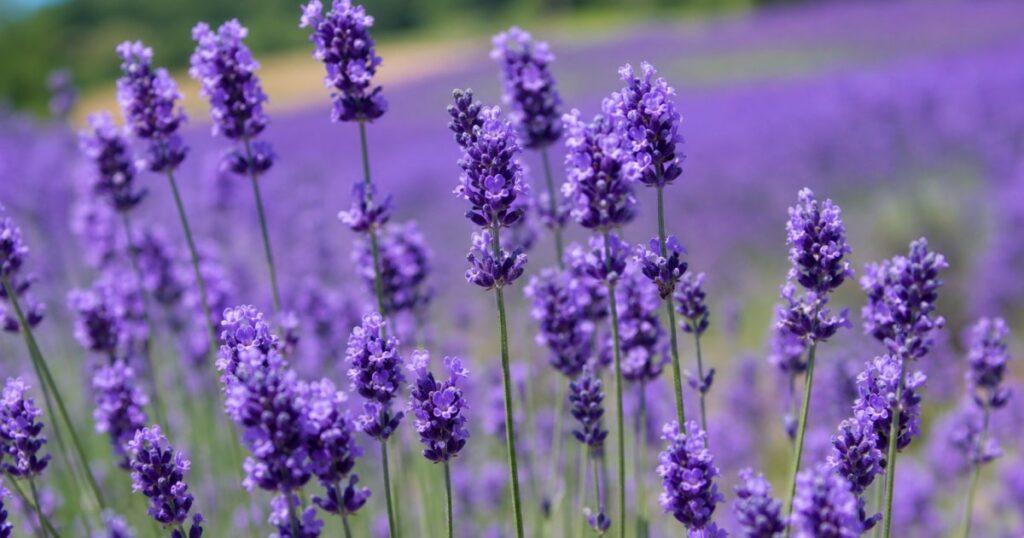
Lavender generally begins blooming in late June, reaches peak bloom in early-to-mid July, and is harvested starting late July. The exact timing varies each year depending on climate conditions. Check official updates before your trip for the latest bloom status.
If you can’t adjust your dates and want to see lavender, aim for the first half of July. If you’re visiting after August, the fields still have various summer flowers, though purple lavender is no longer the main attraction—adjust your expectations to “multi-colored flower fields and rolling hills.” On rainy days, field paths can be slippery; bring rain gear and comfortable shoes, and allow extra time for indoor rest rather than packing your schedule too tightly.
Navigating the Flower Fields
Farm Tomita (ファーム富田) and similar flower fields typically have walking paths divided into sections by flower rows. If you want to take photos leisurely, allow 1–1.5 hours; even if you’re in a hurry, plan for at least 40 minutes.
Summer flower fields have almost no shade, so bring a hat, sunscreen, and plenty of water in advance. Bees are common among the flowers—just slow your movements when taking photos; there’s no need to panic. Stay on the designated paths and do not step into flower rows or pick flowers. Follow all signage and local rules.
Sightseeing Train, Driving & Public Transport: Which to Choose
The summer-limited sightseeing train “Furano & Biei Norokko Train” (ノロッコ号) is great for visitors who want to enjoy the scenery at a relaxed pace. It may stop at temporary Lavender Field Station (ラベンダー畑駅) along the route, from which it’s about a 10-minute walk to well-known flower fields. However, whether the train operates, which days it stops, and seating regulations vary annually—check official information before departure.
If you’re not driving, you can use the JR Furano Line to connect Asahikawa, Biei, and Furano. The advantage is avoiding parking and driving fatigue; the downside is infrequent service, so your itinerary must follow the timetable. Driving offers maximum flexibility, especially for Biei’s scattered hilltop attractions, but roads and parking lots can become congested during the busy summer season. If this is your first time driving in Hokkaido, it may not save you time overall.
Suggested Order for a Biei & Furano Day Trip
The recommended sequence is “Biei first, then Furano.” Take the JR from Asahikawa to Biei in the morning—about 30 minutes. After arriving, rent an electric-assist bicycle or book a sightseeing taxi to explore Patchwork Road (パッチワークの路) and Shikisai no Oka (Four Seasons Hill) (四季彩の丘) area, spending about 3 hours.
After lunch, take the JR toward Furano, arriving in about 40 minutes at Nakafurano or Furano. Spend the afternoon exploring the flower fields, allowing 1.5–2 hours. Return to your accommodation before evening without rushing the last train. Blue Pond (青い池) is some distance from Biei Station; if time is tight, skip it for this day and plan it as a separate half-day activity.
Is a Day Trip from Sapporo Feasible?
If you can only stay in Sapporo, a same-day round trip is possible but demanding on energy and time. Depart on an early train, take the express to Asahikawa, then transfer to the Furano Line. Choose one main area to explore deeply—for example, focus only on Furano flower fields or only on Biei’s hills. To see both, it’s better to stay one night in Asahikawa or Furano so you can start early the next morning when crowds are smaller and the light is beautiful.
Transportation & Planning Tips
- Check timetables before planning stops: The Furano Line has infrequent service. Confirm outbound and return times, including the last train, before deciding how long to spend at each location.
- Verify sightseeing train details in advance: The “Furano & Biei Norokko Train” runs only on specific seasons and dates. Check official information about seating policies and stations served, and have a backup plan in case you miss it.
- Don’t rely on walking in Biei’s hills: Attractions are far apart. If not driving, consider an electric-assist bicycle or sightseeing taxi. In strong summer sun, bring plenty of water when cycling.
- Avoid peak hours if driving: Flower field areas and parking lots get congested during busy season. Start early and allow more travel time than expected. Don’t stop on road shoulders to take photos, and never brake suddenly to photograph a flower field.
- Have a weather backup plan: On rainy or foggy days, visibility at flower fields and hills is reduced. Shorten outdoor time and add more café stops, farm shops, or rest time near stations. Reschedule the flower field visit to better weather if possible.
- Confirm your return route before leaving: Check return train or shuttle times before departing the flower field. Travelers with heavy luggage should store it at the station or accommodation in the morning to avoid hindering the afternoon schedule.
This article has been compiled and written by the Japan Travel Navigator editorial team. Attraction and transportation details are subject to change. Please confirm with each facility and official announcements before your trip.
Please refer to the latest official information for current conditions.
This article was translated from our Traditional Chinese edition.