Fukuoka Yatai Food Stall Guide: Seating Rules, Ordering Tips & Queue Etiquette
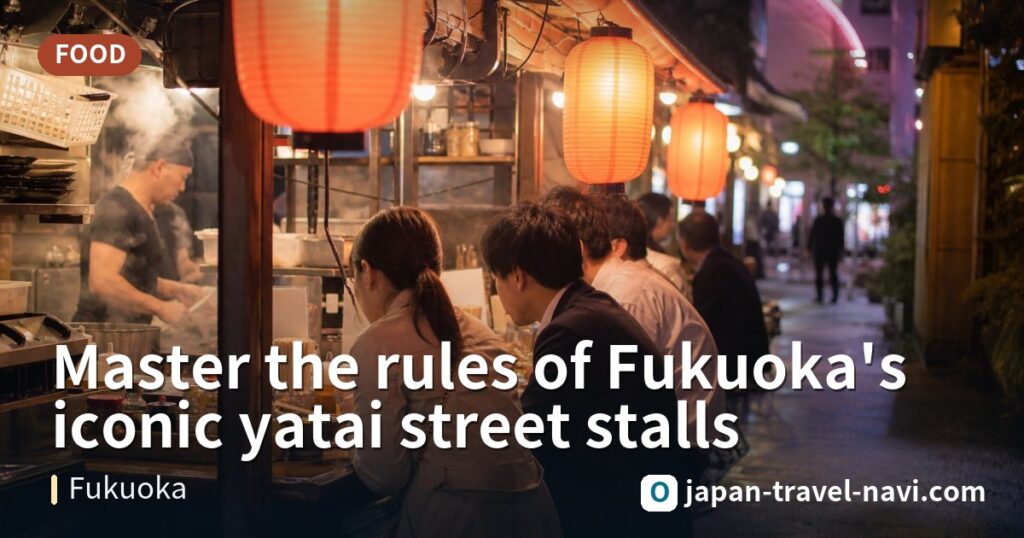
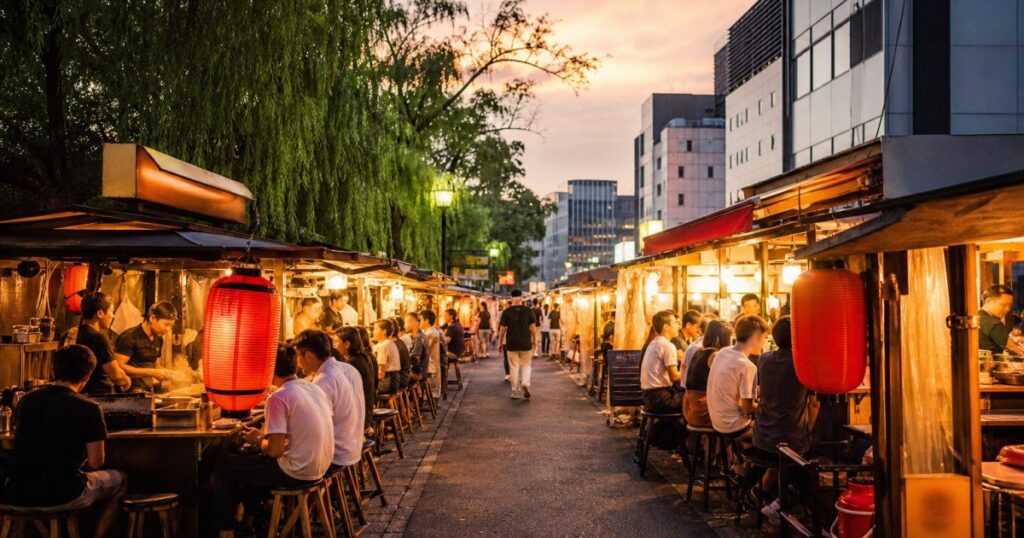
For travelers wanting to experience Fukuoka’s authentic evening atmosphere, a yatai (やたい, roadside food stall) visit is highly recommended. Plan for about 2–3 hours to visit one or two stalls comfortably. It’s best to arrive as dusk falls and stalls are setting up, making it easier to find a seat without a long wait.
Contents
Yatai Types: Nakasu and Tenjin Each Have Their Own Character
Yatai are small food stalls set up along roadsides with very limited seating—customers sit shoulder-to-shoulder. The Nakasu yatai line the Naka River, offering atmospheric nighttime scenery and lively crowds; it’s the most tourist-focused area. Tenjin’s yatai are scattered along city streets and are more convenient to reach on foot, often attracting local office workers grabbing a bite after work. A suggested itinerary: shop and snack lightly in Tenjin first, then walk to Nakasu for a riverside stroll, combining both areas into one evening route.
Weather & Season: Check Conditions Before You Go
Since yatai operate outdoors, weather has a major impact. Rain, strong winds, or typhoons may cause stalls to close temporarily or shut down early. Winter nights are cold, and summer can be humid and stuffy—be mentally prepared. Check the weather forecast before heading out and have a backup plan: identify an indoor izakaya or ramen shop nearby so you won’t waste the trip if yatai don’t open. On rainy days when stalls do operate, most seating is covered by awnings, but it’s still wise to bring a compact umbrella to avoid splashing your neighbors.
Basic Seating & Ordering Rules
When you spot an empty seat, use a simple gesture or ask in basic Japanese, “Can I sit here?” and tell the owner your party size. Space is tight, so keep large backpacks on your lap or leave them at your accommodation rather than taking up a neighbor’s space. Once seated, usually order a drink first, then check the menu for food. Many stalls are run by a single chef, so don’t rush—order everything at once rather than calling out multiple times. Payment methods vary by stall; cash-only is common, so bring sufficient bills. If you want to take photos, ask the owner or nearby customers first and avoid pointing your camera at other diners.
Common Dishes: One Specialty per Stall, Enjoy at Your Pace
The most popular order is tonkotsu ramen (とんこつラーメン)—rich, creamy pork broth—often chosen as a final dish. Yakitori (焼き鳥, grilled chicken skewers) and various grilled items pair well with drinks. Oden (おでん, hot pot stew) is ideal for warming up on cold nights. Some stalls also offer teppan gyoza (iron-plate dumplings), stir-fries, and seafood appetizers. Don’t order a full spread at the first stall; start with just two or three small items, then move to a second stall for variety and different flavors. Menu offerings vary by stall, so go by what’s available on the day.
Queue Etiquette & Dining Manners During Busy Times
Popular time slots often have lines. Stand quietly beside the stall—don’t crowd the middle of the street or block other stalls’ entrances. While waiting, you can browse the menu so you’re ready to order quickly once seated. Plan to spend about an hour eating and drinking; once finished, stand up promptly to let the next customer sit. This is the basic unspoken rule of yatai culture. If your group is large, split into groups of 2–3 to find seats more easily. Keep noise levels low in the evening to avoid disturbing nearby residents.
Travel Tips
- Subway is most convenient: Take the subway to Nakasu-Kawabata Station for Nakasu yatai, or Tenjin Station for Tenjin yatai. The two areas are about a 15–20 minute walk apart. Check the official transit website for the latest route information before you go.
- Driving not recommended: Parking is hard to find in the city at night, and you may drink alcohol. Use trains, subway, buses, and walking instead.
- Check last train times: When yatai hopping, it’s easy to lose track of time. Check the last train or bus schedule back to your accommodation in advance, and have a taxi backup plan if needed.
- Cash and small change: Bring plenty of cash and get coins beforehand. This speeds up checkout and reduces pressure on the queue.
- Safety & crowds: Nakasu can be crowded at night—keep valuables secure and avoid unfamiliar alleys alone. Politely decline anyone who tries to forcefully solicit customers.
- Flexible scheduling: If it rains or yatai close, nearby izakaya and ramen shops are good alternatives. Plan yatai visits for your last night or a night when you have flexibility to reschedule if needed.
This article was prepared by the Japan Travel Navi editorial team. Venue and transit information may change; please check official announcements and facility websites before your visit.
Please refer to the latest official information for current conditions.
This article was translated from our Traditional Chinese edition.
Related reading



More from Fukuoka
More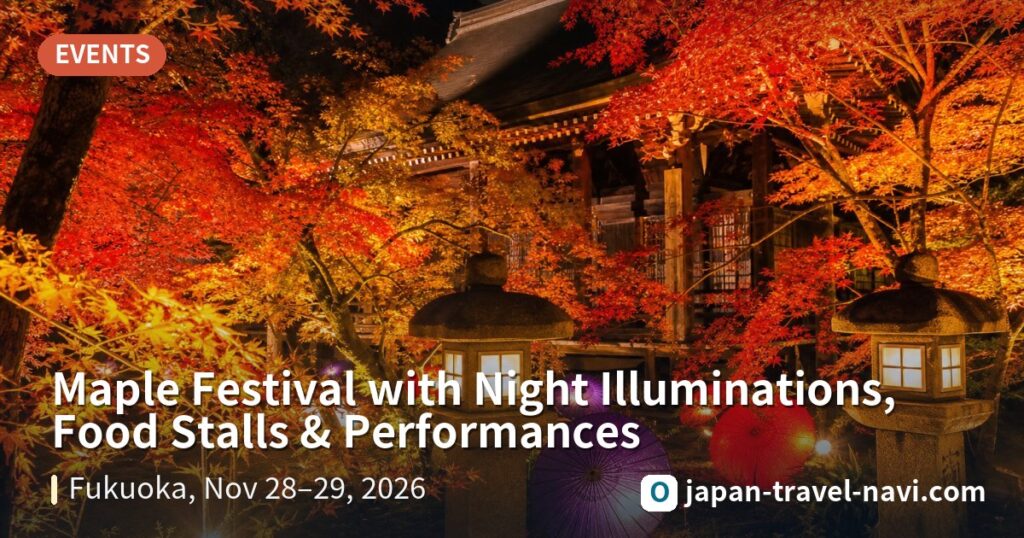 Kouyou Hachiman-gu Maple Festival in Fukuoka: Nov 28–29 Features Stalls and Performances
 SHOCK EYE “Hundred Landscapes” Photography Exhibition at Hakata Hankyu
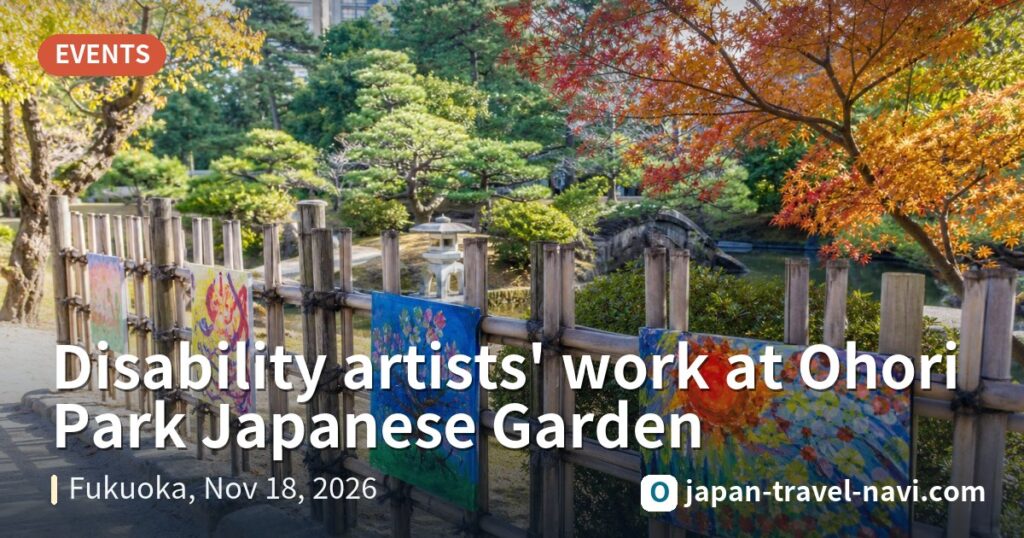 Artwork by Artists with Disabilities on Display at Ohori Park Japanese Garden from Nov 18
 Fukuoka Tower and Ice Skating Park Partner Deal Starting Nov 20, 2026