How to Eat Breakfast in Kyoto: Japanese-Style Mornings, Vintage Kissaten, and Early Temple Routes
Travelers looking to avoid crowds while enjoying Kyoto’s everyday flavors should consider making breakfast a dedicated stop on their itinerary. We recommend setting aside about 1.5 to 2 hours each morning, heading out early, and scheduling breakfast either before or after temple visits. Here’s how to choose what type of restaurant suits you and how to link breakfast with your sightseeing plans.
Contents
Choose Your Restaurant Type First, Then Decide What to Eat
Kyoto has roughly four types of breakfast restaurants: Japanese restaurants and ryokan (inns) serving traditional Japanese breakfasts, vintage kissaten (coffee houses), bakeries, and casual eateries near train stations. If you want to take your time and take photos, go for the first two categories; if you’re short on time or have a packed schedule, grab pastries to go from a bakery. Opening times and operating days vary significantly, so check official information before you go and have a backup option in the same area.
Japanese-Style Breakfast: Your Most Leisurely Meal of the Day
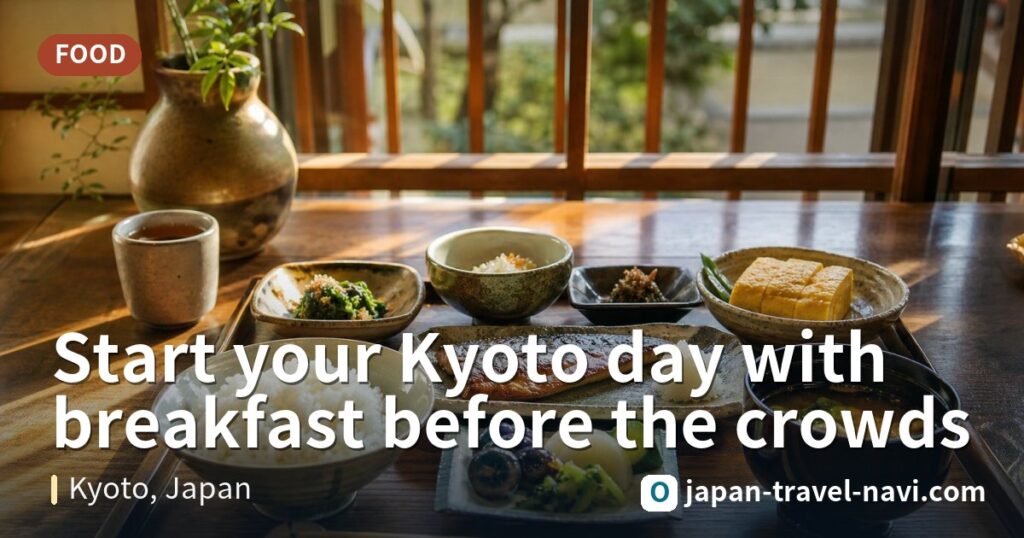
Japanese breakfast (wa-chōshoku) typically includes grilled fish, miso soup, and small side dishes. Some restaurants add dashi-rolled omelet (dashimaki tamago) or rice porridge (okayu). The portions are light and perfect before a day of walking. These restaurants often require reservations, so confirm the day before and schedule it as your first stop. If you want to start sightseeing earlier, choose a place near your accommodation or the station and head straight out after eating.
Vintage Kissaten: Slow-Paced Breakfast Sets
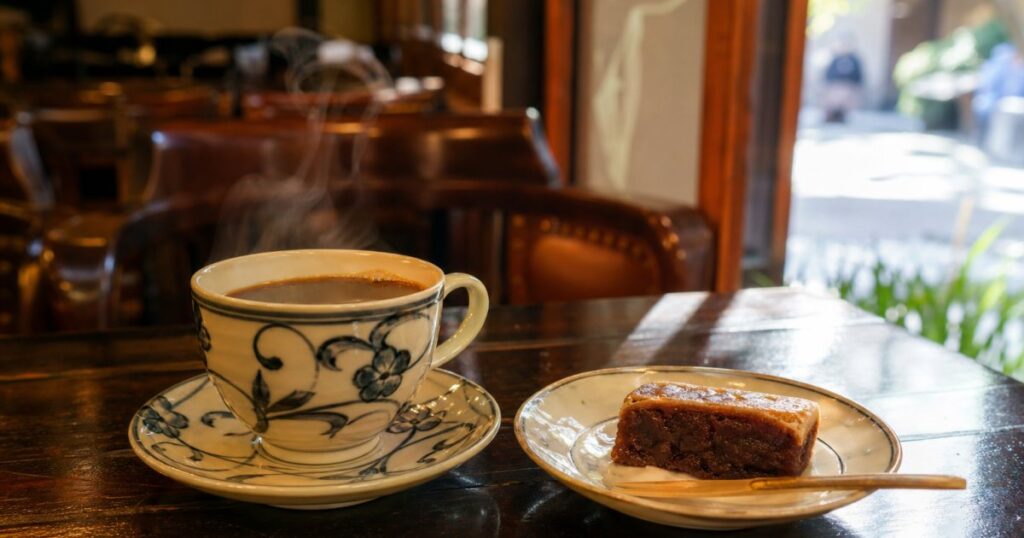
Vintage kissaten (pure coffee houses) typically serve morning sets (モーニング) with toast, a boiled egg, and a cup of coffee. The spaces are compact. We recommend groups of two or fewer; solo diners can sit at the counter. Some old establishments accept cash only, so have Japanese yen in small bills ready. On rainy days, kissaten offer excellent shelter—consider lingering for 30 to 40 minutes until the rain lightens before heading out.
Dense Bakery Scene: Most Efficient Takeout Option
Bakeries are plentiful in Kyoto; walk a few blocks and you’ll find one. Buy two varieties and pair them with a coffee for a 15-minute meal. The riverside area along Kamogawa is a lovely spot to eat while enjoying the water views. Avoid eating while walking through temple grounds and around Nishiki Market; instead, finish your meal at the shop entrance or a rest area, and take your trash with you.
Planning Your Route After an Early Temple Visit
- Fushimi Inari Taisha: Just a 5-minute JR ride from Kyoto Station. Walk the thousand torii gates first, then head back to the city center for breakfast when crowds are thinner than midday.
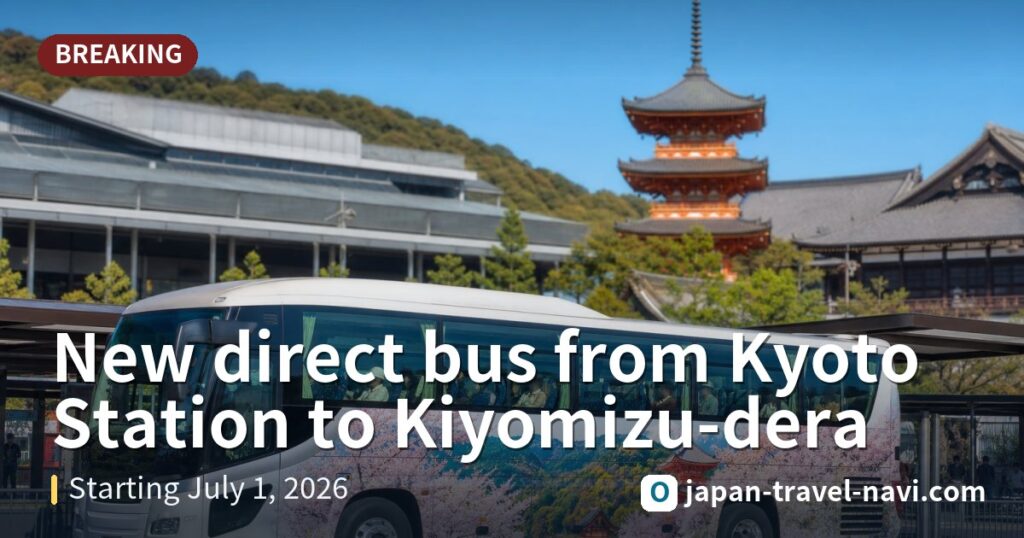
- Kiyomizu-dera and Gion: Take the bus to Kiyomizu-dera area first, then descend along the slope into Gion to find a kissaten for a break. The slopes around Kiyomizu-dera are steep, so keep breakfast light.
- Arashiyama: Arriving early helps you beat the crowds. Explore the bamboo grove first, then return to the station area for bread or casual food.
Opening times vary by site, so check official information before you go.
Travel Tips
- Kyoto relies mainly on buses, subway, and JR. Check bus schedules and routes in advance for the morning, and allow about 10 minutes for waiting and walking.
- If you plan to eat Japanese breakfast, confirm whether reservations are required and if there are time limits on seating, then schedule it as your first stop of the day.
- Vintage kissaten have limited seating; large groups can split into two tables or buy takeout from a bakery instead to avoid a long wait at the door.
- Some old establishments accept cash only. Exchange yen into small bills before you leave, and bring a trash bag with you.
- On rainy days, shorten temple visits and spend more time at a kissaten; instead, choose indoor attractions or places near train stations and prioritize comfort over completing your original itinerary.
- Early morning around temples and attractions is quiet—keep noise low, avoid eating while walking on temple paths, and be mindful not to block locals’ way.
This article was compiled and written by the Japan Travel Guide Editorial Team. Attraction and transportation information may change; please verify details with each facility and official announcements before your trip.
Always confirm the latest official information before you travel.
This article was translated from our Traditional Chinese edition.