Free Kyoto One-Day Itinerary: Shrines, Walking Routes and Budget-Smart Tips
If you want to save your budget for food and drinks while still seeing Kyoto’s signature sights, this free itinerary is perfect for you. You can complete the route in a full day (about 8 hours), starting early at Fushimi Inari Taisha and ending by the Kamogawa River at dusk. Kyoto has many shrines and walking paths open to all visitors—once you understand the difference between “free shrine grounds” and “paid special areas,” you’ll be able to pack a full, satisfying day.
Contents
Learn Which Shrines You Can Visit for Free
Generally, shrine grounds are open to visitors free of charge, while temples often have separate paid admission areas for gardens or main halls. Fushimi Inari Taisha, Yasaka Shrine and Shimogamo Shrine are all types you can walk into directly to worship.
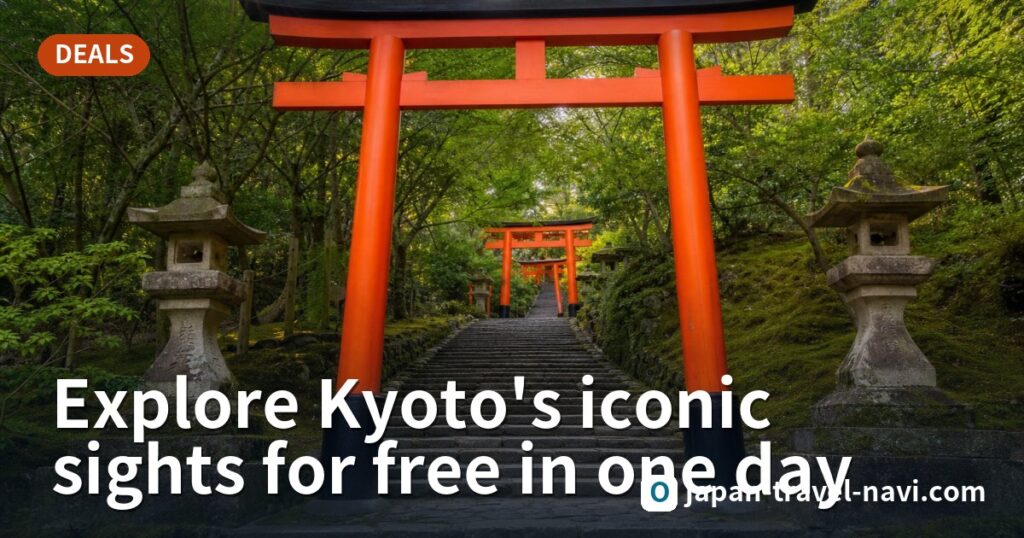
Fushimi Inari Taisha is best visited in the morning when the famous thousand torii gates have fewer crowds, allowing for more relaxed photography. Plan about 1.5 to 2 hours here. If your energy is limited, you can walk to the halfway point where there’s a rest spot with views over Kyoto city, then return—this takes about 1 hour round trip and doesn’t require climbing the whole mountain. Yasaka Shrine is located in Gion and works well as an afternoon or evening stop on your way through.
Free Gardens and Walking Paths
Free green spaces and walking paths are great for filling gaps between paid attractions. Kyoto Imperial Palace Park is a large park in the city center with plenty of shade—perfect for exploring during summer heat or after rain. You can walk through the main areas in about 1 hour.
The Philosopher’s Path (Tetsugaku no Michi) runs alongside a canal from near Ginkaku-ji heading south toward Nanzen-ji, taking about 30 minutes to walk. It gets very crowded during cherry blossom and autumn foliage seasons, so an early morning visit is recommended. The Shirakawa riverside in Gion and Hanamikoji Street are ideal for evening strolls, and you can stay until dark if you want to photograph the nighttime scenery.
The “Pay Only for Special Areas” Approach
Many Kyoto attractions follow a “free outer areas, paid core zones” model. Understanding this will save you money and prevent disappointment:
- Heian Shrine: The worship area is free to enter, but the garden (Shin-en) requires separate admission.
- Kiyomizu-dera: The shopping streets (Kiyomizu-zaka, Ninenzaka, and Sannenzaka) are free to explore; you only pay to enter the main temple hall area.
- Arashiyama: The bamboo grove and Togetsukyo Bridge are free to walk through; Tenryu-ji temple garden requires paid admission.
Each day, pick one paid attraction as your main focus, then fill the rest of your time with free sights. This creates a much more relaxed pace. Always check official websites for the latest information on admission rules before you go.
A Complete One-Day Route
Morning: Take the JR Nara Line from Kyoto Station to Inari Station (about 5 minutes), then visit Fushimi Inari Taisha for about 2 hours.
Midday: Take the Keihan Railway to Gion-Shijo Station (about 15–20 minutes) and have lunch in the Gion area.
Afternoon: Enter Yasaka Shrine, walk through Maruyama Park, then follow the slope toward Kiyomizu-zaka. The walk from Yasaka Shrine to Kiyomizu-zaka takes about 20–30 minutes—just enjoy the street views and building exteriors without paying for the main temple.
Evening: Head back to the Shirakawa riverside in Gion, then finish your day relaxing by the Kamogawa River.
Rainy Day Plan: Visit Kyoto Imperial Palace Park instead, then take the train to Shimogamo Shrine. The shaded approach path is atmospheric in the rain, and you won’t worry about getting caught in downpours without shelter.
Travel Tips
- Kyoto city roads and buses get congested during peak seasons. Stick mainly to JR, Keihan Railway and subway; use buses only for areas trains don’t reach.
- The mountain paths at Fushimi Inari Taisha have many steps. Wear comfortable shoes and allow time for the descent—the mountain becomes dark as evening approaches, so don’t stay too late.
- The slopes around Kiyomizu-zaka are steep and crowded. Store your luggage at Kyoto Station or your accommodation first, and explore with just a small bag for comfort.
- Walking paths are best in the early morning during cherry blossom and autumn foliage seasons. Try to visit the Philosopher’s Path and Gion during quieter times.
- Shrine and temple opening hours, admission policies and special events may change. Check official websites for the latest information before you depart.
- Stay quiet when visiting sacred sites. Look for photography restrictions before taking pictures, and don’t block approach paths.
This article was compiled and written by the Japan Free Travel Information Station editorial team. Attraction and transportation details may change—please consult the latest announcements from each facility and official sources before your visit.
Please verify details with the latest official announcements.
This article was translated from our Traditional Chinese edition.