Kokura Tanga Market Half-Day Guide: Eat as You Walk, Connect with Kokura Castle
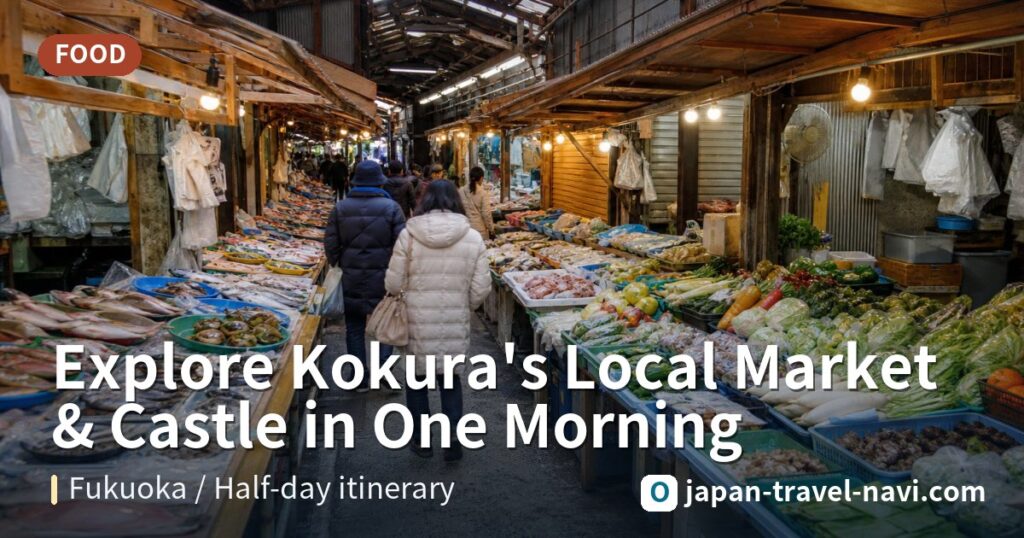
If you’re traveling from Hakata and looking for a less commercialized, authentically local spot, Kokura Tanga Market (旦過市場) is perfect for a half-day outing. Plan about 2–3 hours to explore the market, then another 1.5–2 hours to visit Kokura Castle. The market operates mainly during daylight hours, so arrive by late morning, then head to the castle in the afternoon.
Contents
Learn Its History for a Richer Experience
Tanga Market is often called “the kitchen of Kita-Kyushu,” serving as the go-to place for locals to buy fresh produce and everyday ingredients. What makes it special is its location along the Kamitake River (神嶽川)—some shop buildings sit right at the water’s edge. The narrow aisles, weathered signage, and shopkeepers’ calls all carry a strong sense of everyday community life.
The market has undergone renovations and rebuilding over the years, so different sections and their accessibility may vary. Walk through once to get a sense of the layout before committing to purchases—don’t stop at the first shop you see. Check the official website before you go to confirm which areas are open that day.
Eat as You Walk: Key Food Types to Try
This isn’t an all-you-can-eat food court—the idea is “small portions, many tastes.” Focus on a few categories:
- Fish cake products: Fried fish cakes and fish boards, usually ready to eat. Great as a first stop to warm your stomach.
- Cooked side dishes and fried items: Many stalls sell homestyle small dishes and fried foods. Buy one or two items at a time to leave room for more.
- Onigiri and sushi: If you want something more filling, pick up a simple main dish to carry with you.
- Nuka-daki (糠炊き): A signature Kita-Kyushu home-style dish—fish and other ingredients simmered in a traditional bran-miso sauce base. The flavor is rich, so try a small portion first to see if it suits your taste.
When buying, check if shops allow eating while walking. If there’s a dining area or seating, finish your meal there and dispose of trash properly or at designated spots.
Best Times to Visit
Late morning to midday is safest. Shop selection is fullest then, and cooked foods and fresh produce are most plentiful. After afternoon, some shops may start closing, limiting what you can buy. Hours vary by shop, so check the official website for the latest details.
- Weekday mornings: Fewer crowds, easier to walk and photograph.
- Weekends or holidays: Noticeably more crowded in narrow aisles—arrive early and store large bags in Kokura Station’s coin lockers.
- Rainy days: Many aisles have cover, so the market is still accessible, but floors get slippery. Wear slip-resistant shoes.
Combining with Kokura Castle: Suggested Order
Tanga Market and Kokura Castle (小倉城) are close—about a 10–15 minute walk apart—making them ideal for a half-day route. The recommended order: explore the market first, then head to the castle. This way you can eat while shops are still fully open, then enjoy the castle and surrounding parks and gardens in the afternoon.
Sample time breakdown:
- Morning: Depart from Kokura Station, arrive at Tanga Market, and browse for 1.5–2 hours while eating.
- After midday: Walk to Kokura Castle and stroll the surroundings for 1–1.5 hours.
- Late afternoon: Return to Kokura Station, then head back to Hakata or explore other Kita-Kyushu sites like Moji Port.
If you sleep in, you can visit Kokura Castle first—but confirm the market’s hours beforehand to avoid arriving when shops are already closing.
Who Should Visit
Perfect for those who enjoy local markets, appreciate history and everyday life atmosphere, or want a nearby destination outside Fukuoka. If you prefer clean, bright restaurants with comfortable seating, the market’s narrow, crowded aisles might not suit you—consider dining around Kokura Station instead.
Travel Tips
- From Hakata: Take the Shinkansen or JR to Kokura Station. Shinkansen takes about 20 minutes; regular JR times vary by train type. Check the official timetable.
- From the station to the market: About a 10–15 minute walk, or take the Kita-Kyushu Monorail to Tanga Station (旦過駅) for a short walk—convenient on hot or rainy days.
- Store your luggage: Narrow market aisles don’t work well with large bags. Use Kokura Station’s coin lockers and check availability in advance.
- Payment and cash: Many small shops still take cash only. Bring coins and check whether shops accept mobile payments.
- Build in flexibility: Some shops may close early in the afternoon. Schedule the market for morning and the castle for afternoon—if something’s closed, you have a backup plan.
- Rainy and crowded days: Watch for slippery floors in rain and follow the flow of foot traffic when it’s busy. Find a quiet spot to eat if the aisles are packed.
This article was prepared by the Japan Travel Information editorial team. Attractions and transport details may change—please check official announcements before you go.
Always confirm the latest information from official sources.
This article was translated from our Traditional Chinese edition.
Related reading


More from Fukuoka
More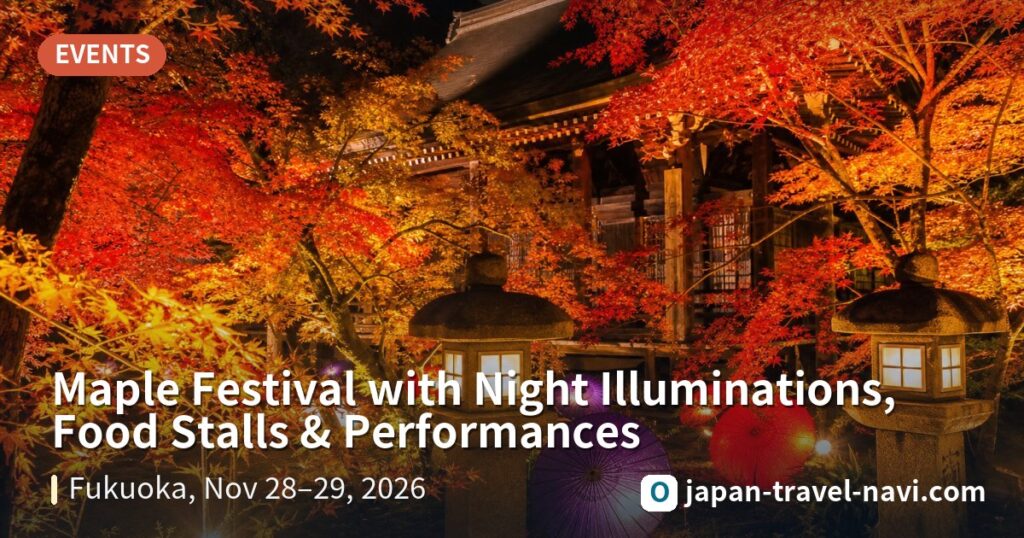 Kouyou Hachiman-gu Maple Festival in Fukuoka: Nov 28–29 Features Stalls and Performances
 SHOCK EYE “Hundred Landscapes” Photography Exhibition at Hakata Hankyu
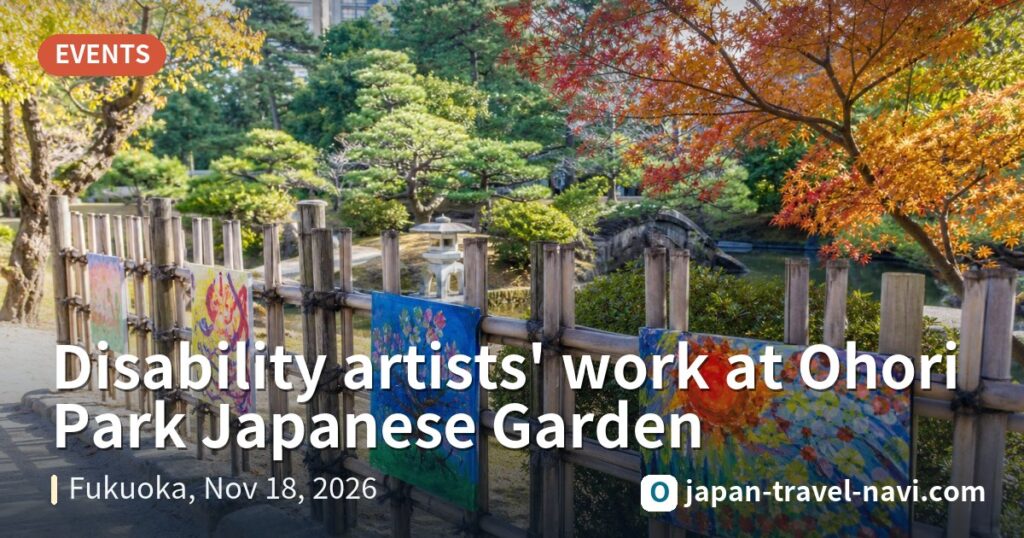 Artwork by Artists with Disabilities on Display at Ohori Park Japanese Garden from Nov 18
 Fukuoka Tower and Ice Skating Park Partner Deal Starting Nov 20, 2026