Kaiseki Dining in Kyoto: Course Order, Lunch Reservations, Dress Code & Dietary Restrictions
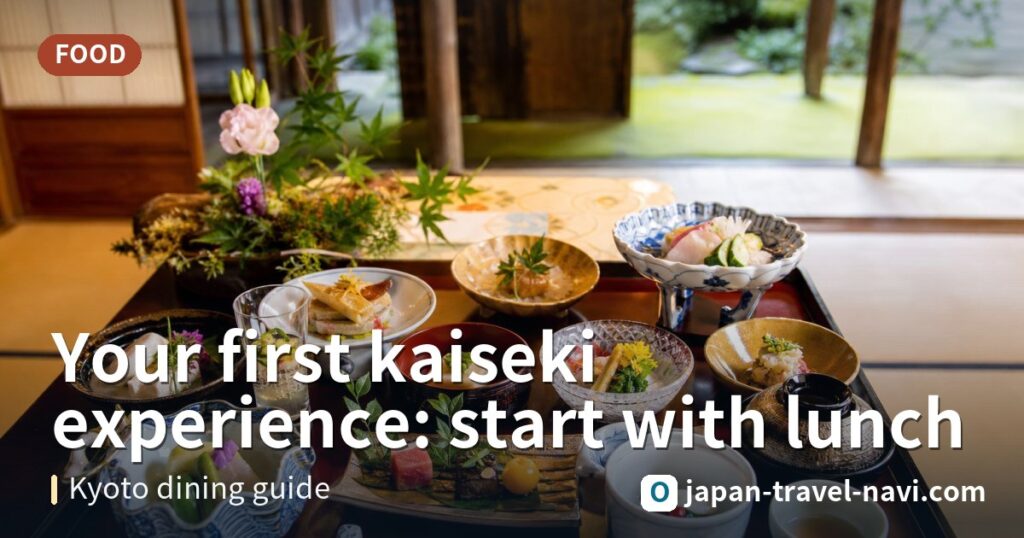
For first-time visitors wanting to try Kyoto cuisine and kaiseki (懷石) dining, it’s recommended to set aside about 2 hours during your Kyoto itinerary and choose a lunch seating. Daytime set menus come in smaller portions and a more relaxed pace compared to dinner, and you won’t need to cut short your sightseeing to make a dinner reservation. Below is a guide to understanding the course sequence, making reservations, dress code, and handling dietary restrictions.
Contents
Understanding the course sequence makes dining more enjoyable
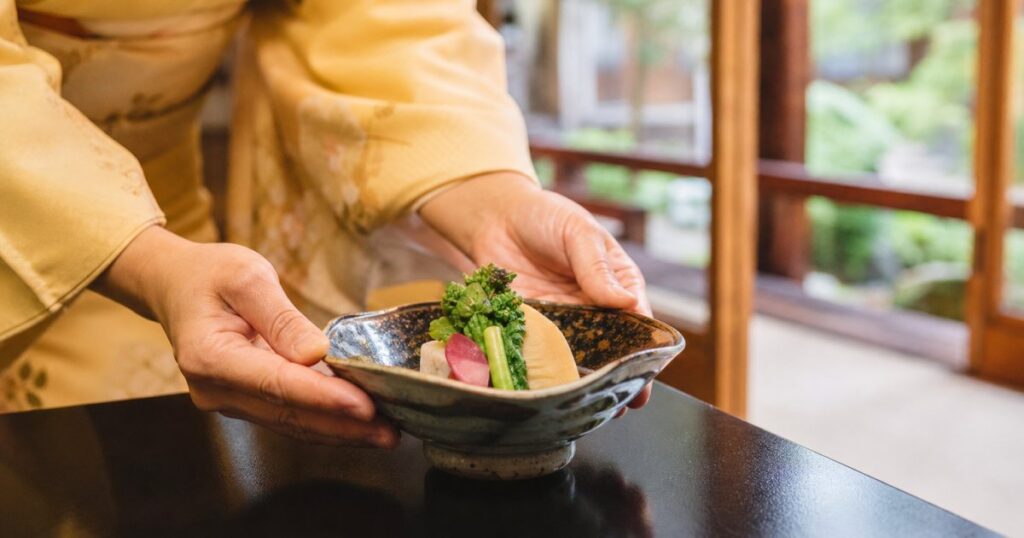
Kaiseki (かいせきりょうり) is served course by course, with the basic progression: appetizer “sakizuke (先付)”, clear soup “wanmono (椀物)”, sashimi “mukoudzuke (向付)”, grilled dish “yakimono (焼物)”, simmered dish “takiawase (炊合)”, followed finally by steamed rice, pickled vegetables, and dessert. Each course is small in portion—the focus is on tasting seasonal ingredients and the delicate flavors of the broth. It’s recommended not to fill up on rice or bread before the meal; eat slowly and enjoy each course while hot, especially the soups and grilled items. If you don’t understand a dish name, ask the server for a brief explanation or check the kanji on the menu to get the gist. Don’t worry if you miss some details.
Why lunch is easier than dinner for beginners
Many Kyoto restaurants offer lunch sets that are simpler than dinner menus but still maintain the complete kaiseki structure, making them ideal for a first experience. After lunch, you’ll have most of the afternoon to digest and can easily plan a walk—for example, strolling through Gion or visiting Kiyomizu-dera afterward. It’s best to arrive for lunch around noon and schedule nearby attractions for the morning beforehand, so you won’t be rushed before the meal. Dinner typically involves longer dining time and wine or sake pairings; you can tackle that challenge once you’re more familiar with the rhythm.
Reservations and dress code: lowering the barriers to entry
Popular restaurants and small establishments usually require advance reservations. It’s best to book as soon as your itinerary is confirmed and note the cancellation and late-arrival policies—check the latest official information before you travel. If you’re unsure how to contact a restaurant, ask your hotel concierge to help with the reservation, or use the booking method provided on the restaurant’s official website. As for dress code, formal business suits are not necessary—neat casual wear is fine. Avoid shorts, sandals, and strong perfume, as fragrance can interfere with the delicate flavors of the ingredients and broth. If the restaurant has a tatami-mat (traditional woven mat) dining room, remember to wear clean socks without holes, and choose shoes that are easy to slip on and off for a smoother experience.
Dietary restrictions must be mentioned at reservation time
Kaiseki meals are usually omakase (おまかせ) sets decided by the chef based on the day’s ingredients, making last-minute changes very difficult. Allergies, foods you don’t eat (such as raw fish, shellfish, or beef), religious or vegetarian requirements—communicate these clearly when making your reservation and confirm that the restaurant can accommodate them. Pay special attention: Kyoto cuisine typically uses dashi (broth) made from bonito and kelp. If you’re vegetarian and don’t eat fish, be explicit that “fish-based broth cannot be used.” If the restaurant says it can’t accommodate your needs, choose another establishment instead of forcing yourself to dine there.
Travel tips
- When using public transport, allow about 15 minutes to reach the restaurant area. Kyoto’s old streets have many narrow alleys—use a map to confirm the entrance location beforehand to avoid being late.
- From Kyoto Station, you can take the subway or city buses. Buses get crowded during lunch hours; if you have large luggage, consider storing it at the station or your accommodation first.
- Schedule attractions before and after lunch in the same area—for example, explore Gion before the meal and take a walk afterward to reduce the need for transfers.
- If you’re running late or need to cancel, contact the restaurant as soon as possible. Don’t leave them waiting—this is an etiquette point that Kyoto restaurants take seriously.
- On rainy days, wear waterproof shoes that are easy to slip on and off, and bring an extra pair of clean socks for entering tatami rooms.
- After dining, don’t schedule your next activity too tightly. Allow about 30 minutes as a buffer to keep your itinerary flexible.
This article was compiled and written by the Japan Travel Navigator editorial team. Attraction and transportation information may change; please verify the latest official announcements from each facility before you travel.
Please check the latest official information for current details.
This article was translated from our Traditional Chinese edition.