JR Kyushu Pass: How to Choose Between North, South, and All-Kyushu Options
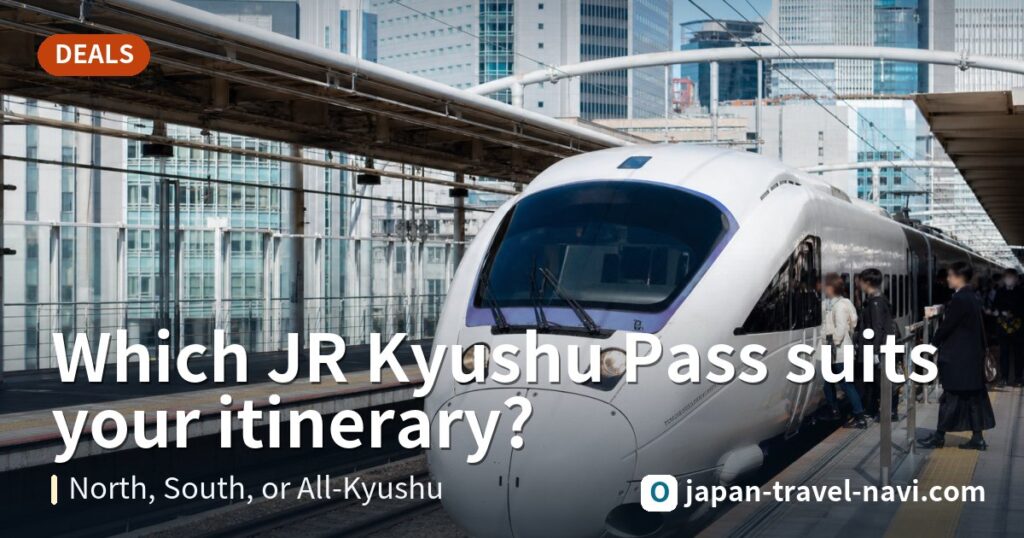
If you’re using Fukuoka as your base and planning to travel over several consecutive days to Nagasaki, Yufuin, Kumamoto, or Kagoshima, a JR Kyushu Pass is worth considering. However, if you’re only staying in Fukuoka city and visiting Dazaifu, you typically don’t need one. The key is to map out which JR routes you’ll use each day before deciding which pass to buy. Most passes are suitable for 3–5 days, and the larger the coverage area, the more important it is to verify whether you can realistically cover it all.
Contents
Understanding the Three Pass Versions and Their Coverage
The pass comes in three main types: North Kyushu, South Kyushu, and All-Kyushu. The North Kyushu Pass centers on Fukuoka and Hakata, covering routes toward Nagasaki, Saga, Oita, and Yufuin. The South Kyushu Pass focuses on the Kumamoto, Kagoshima, and Miyazaki areas. The All-Kyushu Pass covers both regions. Coverage areas, available duration options, and applicable trains may change annually, so check the official website before departure and cross-reference the official coverage map to confirm your destinations are included.
Choosing the Right Pass When Based in Fukuoka
- Traveling only north: If Hakata is your accommodation base and you’re planning one-day trips to Nagasaki and Yufuin or Beppu, the North Kyushu Pass is most convenient.
- Heading south to Kumamoto and Kagoshima: A same-day round trip via Shinkansen may be too rushed. Consider spending at least 2 days in the south and possibly changing accommodations. If you’re only doing a day trip to Kumamoto, individual tickets are often more economical.
- Exploring the entire Kyushu region: Only then should you consider the All-Kyushu Pass. The shorter your trip, the more time you’ll spend traveling. Aim for 1–2 major cities per day maximum.
The key is to add up all your individual JR fares (including Shinkansen and express trains) and compare them with the pass price. Use a transit app to check individual segment costs for accuracy rather than guessing.
Reserving Reserved Seats
Most express trains allow you to board unreserved seats directly, but Shinkansen and popular sightseeing trains (such as the “Yufuin no Mori” on the Yufuin line) have limited capacity and should be reserved in advance. To make a reservation, bring your pass and passport to the station’s green ticket window (みどりの窓口) or customer service counter and provide your date, train, and route. Some stations also have reserved-seat ticketing machines. Check the official website before departure to see if online reservations are available.
A practical approach: reserve all your reserved seats on your first day arriving in Hakata, especially if traveling on weekends, holidays, or during cherry blossom or autumn foliage season. If you’re unsure about a specific day’s schedule, you can make a reservation and change to a different train later—this is usually easier than trying to get tickets on the spot.
When You Don’t Need the Pass
- Only exploring Fukuoka city: The subway and buses are sufficient; you won’t need JR.
- Visiting Dazaifu or Yanagawa: Most travel is via Nishi-Nippon Railway (private railway), so the pass won’t help.
- Making just one long-distance round trip: For example, a round trip from Hakata to Nagasaki—compare the combined fare cost with the pass price.
- Relying mainly on buses: Kyushu has bus passes too. If your itinerary is bus-focused, compare both options.
Planning Your Itinerary After Buying the Pass
The pass covers consecutive days, so cluster your longest journeys and express train rides on the same days, and save leisurely city exploration for days before or after the pass validity. If you base yourself in Hakata each night, you can store large luggage at your hotel and travel light with just a small bag, making transfers much easier.
Travel Tips
- Check the official website before departure for the latest pass types, durations, and coverage areas, and confirm that the trains you plan to use are covered.
- Reserve reserved seats as soon as you arrive, especially during peak seasons and weekends for popular express trains and Shinkansen.
- Map out your train times in advance and roughly estimate how many stops you can realistically visit per day—don’t overpack your schedule.
- Allow 10–15 minutes of buffer time at transfers, particularly at major stations (Hakata, Kumamoto, Kagoshima Chuo) when changing platforms or finding exits.
- If weather is poor, switch to indoor city activities and check with the ticket window about any schedule changes before rebooking on a different day.
- Keep your pass safe. Have it ready along with your passport when passing through gates; some stations require you to go through a staffed counter.
This article was compiled and written by the Japan Travel Free editorial team. Venue and transportation information may change; please verify the latest updates from official sources before your trip.
Please confirm current details with official announcements.
This article was translated from our Traditional Chinese edition.
Related reading




More from Fukuoka
More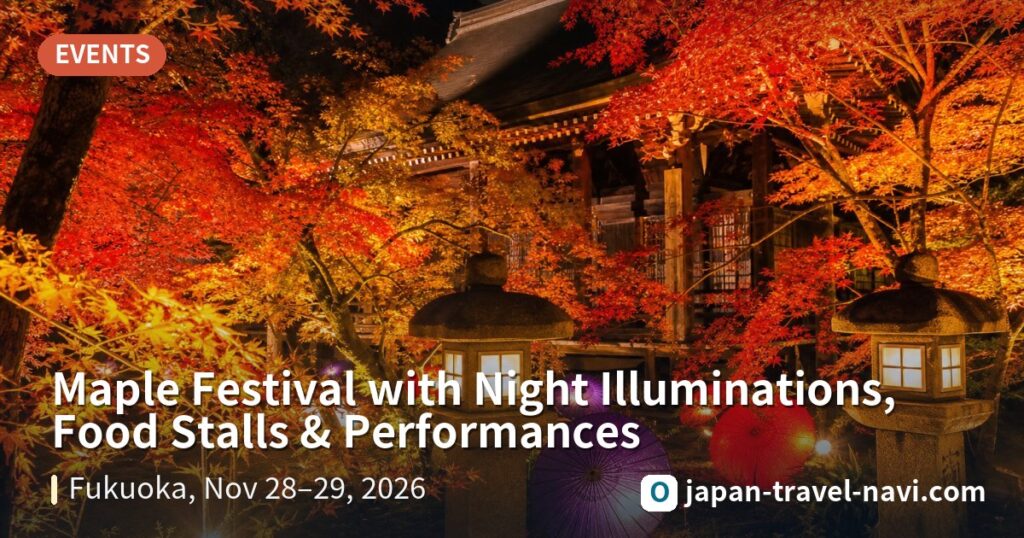 Kouyou Hachiman-gu Maple Festival in Fukuoka: Nov 28–29 Features Stalls and Performances
 SHOCK EYE “Hundred Landscapes” Photography Exhibition at Hakata Hankyu
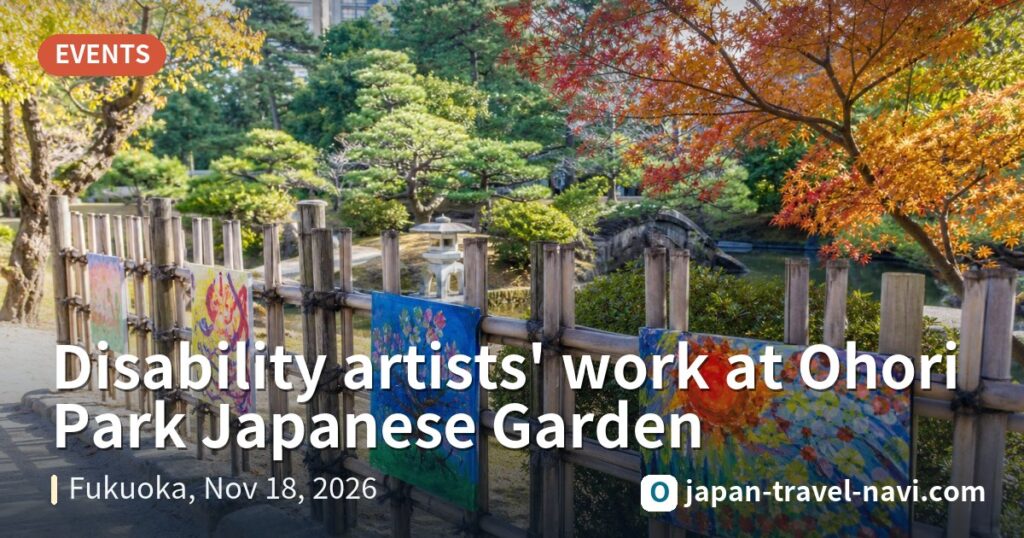 Artwork by Artists with Disabilities on Display at Ohori Park Japanese Garden from Nov 18
 Fukuoka Tower and Ice Skating Park Partner Deal Starting Nov 20, 2026