Kyoto Metro, JR, Keihan & Hankyu: Complete Transit Guide to Skip Bus Traffic
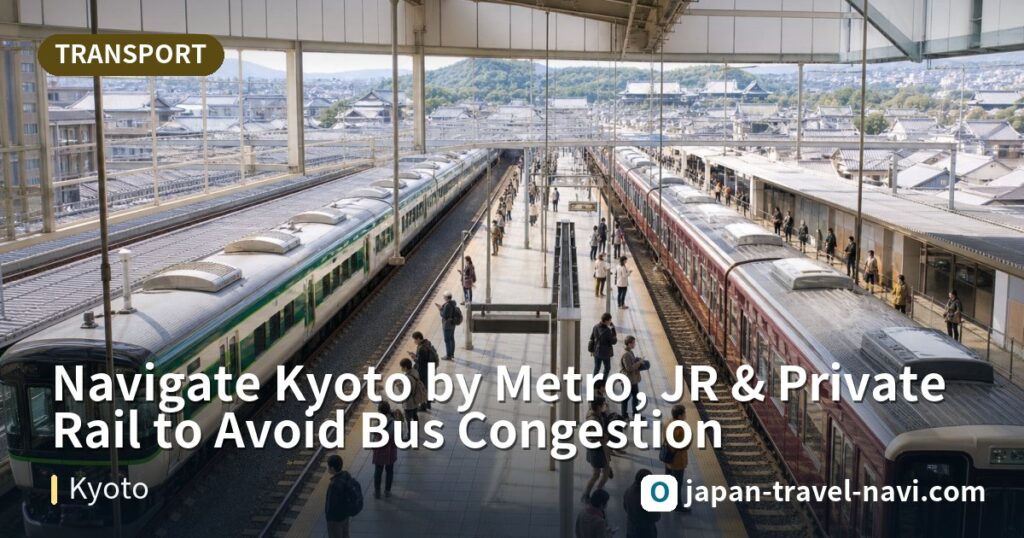
Kyoto’s attractions are spread across the city, making it ideal for visitors who want to minimize bus travel and maximize time at sightseeing spots. It’s recommended to arrange your itinerary using “metro for the city center, JR and private railways for outlying areas”—a strategy that works for 2–4 day trips. Try to leave your accommodation before 9 a.m. when possible to avoid the first wave of crowds on buses and platforms.
Contents
- Karasuma Line & Tozan Line: The City’s Main North-South and East-West Arteries
- JR: Fast Access to Arashiyama, Fushimi Inari, and Uji
- Keihan & Hankyu: Two Gateways from Osaka to Kyoto
- Transfer Walking Distances: Where to Allow Extra Time
- Three Sample Routes to Avoid Bus Congestion
- Transportation & Itinerary Tips
Karasuma Line & Tozan Line: The City’s Main North-South and East-West Arteries
Kyoto has only two metro lines, so it’s easy to remember their purposes. The Karasuma Line (烏丸線) runs north-south, connecting Kyoto Station, Shijo, and Karasuma-Oike—ideal for those staying near the station who want to move toward the city center during the day. The Tozan Line spans east-west across the city, passing Nijojo-mae and Kyoto City Hall stations, with access to Keage and Higashiyama areas to the east.
Consider scheduling Nijo Castle in the morning—it’s just a few minutes’ walk from Nijojo-mae Station. The Tozan Line is also convenient for connecting Nanzen-ji and the Gion area. On rainy days, make good use of the underground passages between stations rather than waiting for buses. The two lines intersect at Karasuma-Oike Station, where transfers typically take just a few minutes.
JR: Fast Access to Arashiyama, Fushimi Inari, and Uji
JR mainly serves Kyoto’s outlying attractions. The Sagano Line departs Kyoto Station toward Arashiyama, taking about 20 minutes; after exiting, it’s a short walk to Togetsukyo Bridge and the Bamboo Grove Path. The Nara Line reaches Inari Station in just one stop—Fushimi Inari Taisha is visible right from the exit, making it perfect for early morning or evening visits. You can also take the Nara Line to Uji, which takes about 20–30 minutes; plan to spend a half-day there.
Here’s a practical sequence: visit Fushimi Inari Taisha early, return to Kyoto Station at midday, then take the Sagano Line to Arashiyama and explore at a leisurely pace in the afternoon. This way you can cover two major areas in a day with minimal bus travel.
Keihan & Hankyu: Two Gateways from Osaka to Kyoto
Both private railways connect Osaka and Kyoto, but their terminals are different and serve different purposes. Hankyu Railway departs from Umeda and terminates at Kawaramachi Station in Shijo-Kawaramachi, close to Nishiki Market and Teramachi Shopping Street—ideal for shopping and dining-focused itineraries. From Umeda, the limited express takes about 45 minutes. Hankyu also has a branch line to Arashiyama via Katsura Station; from there, Togetsukyo Bridge is a short walk away.
Keihan Railway connects Osaka’s city areas (such as Yodoyabashi and Namba) with Kyoto, stopping at Gion-Shijo, Kiyomizu-Gojo, Fushimi Inari, and the Uji Line transfer station—ideal for itineraries focused on Higashiyama and Fushimi. If you’re staying in Osaka and want to visit Gion or Kiyomizu-dera the same day, Keihan is often more direct than returning to Kyoto Station first.
Transfer Walking Distances: Where to Allow Extra Time
- Hankyu Kawaramachi Station to Gion: Cross Shijo Bridge on foot, about 10 minutes on flat, easy terrain.
- Keihan Gion-Shijo or Kiyomizu-Gojo to Kiyomizu-dera: 20+ minutes on foot with uphill sections toward the end; wear comfortable shoes.
- Hankyu Kawaramachi Station & Metro Shijo Station: The two stations are underground-connected, convenient in rain, but the passage is long—allow a few extra minutes.
- Kinkaku-ji has no direct train; typically take the Karasuma Line to Kita-Oji Station and transfer to a bus. Ginkaku-ji also requires walking or bus connections.
Three Sample Routes to Avoid Bus Congestion
Higashiyama Route: Take the Tozan Line to Keage in the morning, walk to Nanzen-ji, then stroll along the Philosopher’s Path (Tetsugaku no Michi) to Ginkaku-ji, returning to Gion and Kawaramachi in the afternoon. Most movement is by walking and metro—no waiting for busy buses.
Western Route: Take JR to Arashiyama in the morning, return via Nijojo-mae Station in the afternoon, and continue with city-center activities. This avoids peak congestion around Shijo and Kiyomizu-dori.
Fushimi & City Center Route: Visit Fushimi Inari Taisha at dawn, then return to the city center by Keihan or JR, spend the afternoon at Nishiki Market and Kawaramachi, with flexible ordering. If weather turns poor, switch to indoor shopping and metro-adjacent attractions.
Transportation & Itinerary Tips
- Decide on accommodation first: staying near Kyoto Station is most convenient for JR and Karasuma Line transfers; staying near Shijo-Kawaramachi is better for Hankyu and shopping.
- Buses are prone to congestion during daytime tourist hours; for Kiyomizu-dera and Gion, use trains and walking instead, or visit early morning or evening to avoid crowds.
- Check the applicable coverage and ticket types of one-day or multi-day passes before departure with official sources, then decide on the day based on your route.
- Hankyu, Keihan, and JR station names can be similar but locations differ; confirm station names and exits before transferring to avoid extra walking.
- Store large luggage at your hotel or station lockers before heading to areas like Kiyomizu-dera or Arashiyama that require walking or climbing.
- Before heading to your accommodation or Osaka in the evening, check the last train time and allow extra time to reach the station.
This article was compiled and written by the Japan Travel Information Station editorial team. Attraction and transportation information may change; please verify with official announcements from each facility before departure.
Always refer to the latest official information for the most current details.
This article was translated from our Traditional Chinese edition.
Related reading
 Kyoto by foot, bike, and taxi: how to combine them for the best use of time and energy
 Getting to Arashiyama: Comparing JR, Randen, and Hankyu Transit Options
 How to Get from Kansai Airport to Kyoto: Express Trains, Buses, Late Arrivals & Return Options
 How to Take Ferries in Fukuoka: Noko Island, Shika Island, and Weather Cancellation Guide