How to Take Ferries in Fukuoka: Noko Island, Shika Island, and Weather Cancellation Guide
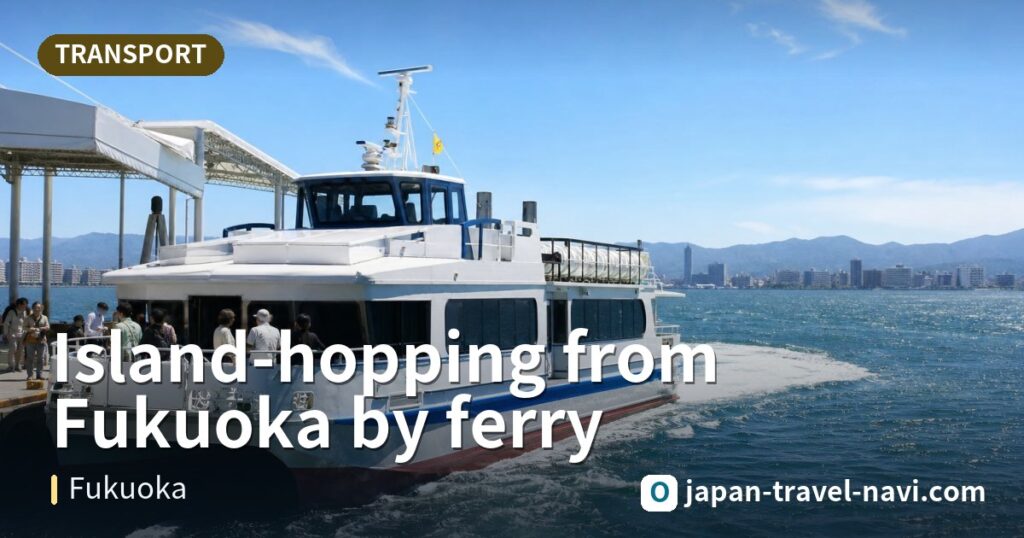
Visitors looking to add a short sea journey to their Fukuoka itinerary will find Noko Island or Shika Island perfect for a half-day to full-day side trip. Both islands have short ferry rides, so it’s best to depart in the morning and return to the mainland before evening. During windy seasons, be sure to keep your schedule flexible.
Contents
First, understand what Hakata Port and Meinohama handle
Fukuoka’s maritime transport is divided into two main areas. Hakata Port focuses on longer routes and international service, with high-speed ferries to Busan and service to remote islands like Iki and Tsushima. The ferry terminal at Meinohama handles short local routes, and the service to Noko Island is the most convenient for visitors.
If you just want to experience a short sea journey, stick to Meinohama and Noko Island. If you’re taking an international route, treat Hakata Port as a separate stop on your itinerary and allow time for check-in and immigration procedures.
Noko Island: a half-day trip from Meinohama
From Hakata or Tenjin, take the Airport Line subway to Meinohama Station, then walk or take a bus to the ferry terminal—the whole trip takes about 30 to 40 minutes. The ferry ride is about 10 minutes, and once you arrive, you can rent a bicycle or take the island’s buses to get around.
Plan for 3 to 4 hours: take an early ferry, explore the island’s flowers and coastal scenery, have lunch around midday, and return to the mainland in the afternoon. Dining options on the island are limited compared to the city, so it’s a good idea to check lunch spots when you arrive. On rainy or windy days, the island’s scenery will be diminished, so you might instead explore the Meinohama area and Momoji Kaihama Beach.
Shika Island: exploring the bay by train and ferry
There are two common ways to visit Shika Island. The first is to take the JR Kashii Line to Nishi-Toizaki Station, walk to the pier, then take the ferry—about a 10-minute ride. This route lets you actually experience Hakata Bay. The second option is to take a bus via Uminonakaichi, which is better if you prefer fewer transfers. Check the official latest information for routes and schedules before you go.
The island has Shika Shrine and parks related to the location where the “Han-Wei Nu-Guo-Wang Gold Seal” was unearthed. A cycling route around the island works well for a leisurely visit. Since the island has some steep terrain, those with less stamina can just focus on the shrine and coastline, spending about 2 to 3 hours.
Weather and cancellations: how to check before and on the day
Ferries in the Genkai-nada area may reduce service or stop entirely due to strong winds, large waves, or thick fog—especially during typhoon season and when winter monsoons are strong. Check the weather forecast the night before, and confirm the ferry’s operating status on the operator’s official website the morning of your trip. Don’t rely solely on whether the weather looks clear.
Have a backup plan for rainy weather or ferry cancellations: Hakata, Tenjin, and Nakasu areas are always nearby alternatives. Allow at least 1 hour buffer time for your return ferry, and don’t plan to take the last boat. Also avoid scheduling island visits right before important commitments like catching a flight.
Preparing before boarding
Before boarding, confirm the terminal name, route, and payment method. Meinohama, Nishi-Toizaki, and Hakata Port are different locations and easy to mix up. Wear slip-resistant, comfortable shoes, and bring a light jacket and windproof hat for windy days.
Supplies on the islands are limited, so bring water, coins, a portable charger, and basic rain gear. If you’re taking an international ferry, always carry your passport and check check-in deadlines and baggage restrictions in advance.
Transport and itinerary reminders
- For Noko Island, take the Airport Line subway to Meinohama Station, then walk or take a bus to the ferry terminal—you don’t need to drive. Check the official information before departing to confirm shuttle options.
- If taking the JR Kashii Line to Shika Island, check train schedules and allow time to walk from Nishi-Toizaki Station to the pier.
- Allow at least 1 hour buffer for your return ferry; avoid taking the last boat. If you have a flight or shinkansen later that day, take an earlier ferry back to the city.
- On windy or unstable weather days, check the ferry operator’s official service information before leaving and prepare an alternative itinerary (such as exploring Hakata, Tenjin, or Nakasu).
- Island bus service is infrequent; before renting a bicycle, check the terrain and weather. Cycling is not recommended in rain or strong winds.
- For international ferries, bring your passport, arrive early at Hakata Port for check-in, and allow time for immigration and baggage screening.
This article was compiled and written by the Japan Free Travel Information Station editorial team. Attraction and transport information may change, so please verify with each facility and official announcements before your trip.
Please refer to the latest official announcements for the most accurate information.
This article was translated from our Traditional Chinese edition.
Related reading
 Kyoto by foot, bike, and taxi: how to combine them for the best use of time and energy
 Getting to Arashiyama: Comparing JR, Randen, and Hankyu Transit Options
 How to Get from Kansai Airport to Kyoto: Express Trains, Buses, Late Arrivals & Return Options
 Kyoto Metro, JR, Keihan & Hankyu: Complete Transit Guide to Skip Bus Traffic
More from Fukuoka
More Kouyou Hachiman-gu Maple Festival in Fukuoka: Nov 28–29 Features Stalls and Performances
 SHOCK EYE “Hundred Landscapes” Photography Exhibition at Hakata Hankyu
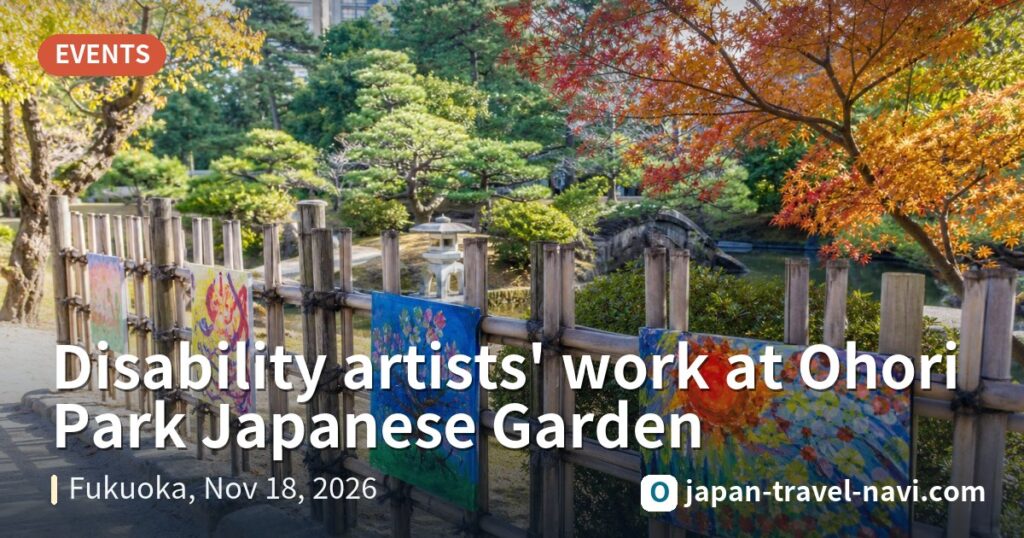 Artwork by Artists with Disabilities on Display at Ohori Park Japanese Garden from Nov 18
 Fukuoka Tower and Ice Skating Park Partner Deal Starting Nov 20, 2026