Traveling Kyushu from Hakata: How to Choose Between Shinkansen, Limited Express, and Local Trains
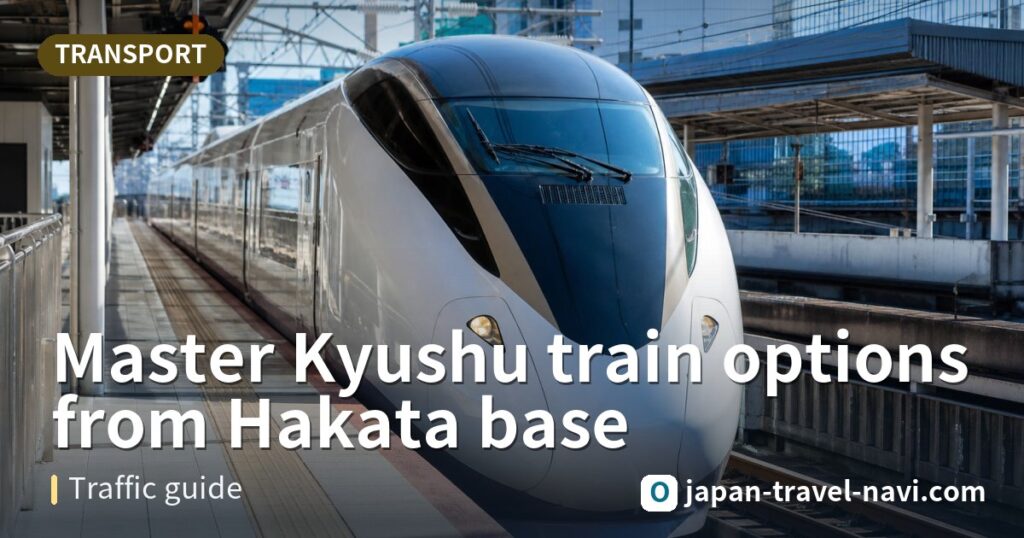
Using Hakata as your base to explore Kyushu, once you understand the differences between “Shinkansen, limited express, rapid, and local trains,” and decide whether to book assigned seats, you can minimize travel time. North Kyushu and Nagasaki are suitable for day trips, while Kumamoto, Kagoshima, and Yufuin are better with an extra day—aim to depart in the morning.
Contents
What’s the difference between Shinkansen, limited express, and rapid trains?
The Shinkansen is the high-speed workhorse for long distances. From Hakata, the Sanyo Shinkansen goes west and the Kyushu Shinkansen goes south, with direct service to Kumamoto and Kagoshima Chuo. Limited express trains run on regular rail with fewer stops—examples include the “Yufuin no Mori” (ゆふいんの森) to Yufuin or limited express trains heading toward Oita. Rapid and local trains stop at every station or many stations, suitable for short journeys.
A practical rule: for trips over 90 minutes or crossing prefectures, prioritize Shinkansen or limited express. For nearby areas within an hour, rapid and local trains usually suffice. Shinkansen and limited express require both a base fare and a special express ticket; IC cards are typically used for local and rapid trains. Check official sources for the latest ticketing methods before departure.
Assigned vs. unreserved seats
Assigned seats guarantee you a spot; unreserved seats are first-come, first-served. Some Shinkansen consist entirely of assigned seats, and available cars vary by train type—check official announcements for details.
On weekends, holidays, or during peak cherry blossom and autumn foliage seasons, book assigned seats whenever possible, especially if traveling with large luggage—the extra space beside your seat matters. On weekdays during off-peak times or for short trips, unreserved seats offer more flexibility.
Buy tickets at Hakata Station’s automatic machines, the ticket window (Midori no Madoguchi / みどりの窓口), official websites, or apps. To save time, book your next few days’ tickets on your first day in Fukuoka.
Four directions from Hakata base
- North Kyushu and Mojiko: Take the Sanyo Shinkansen to Kokura in about 20 minutes, then switch to a rapid or local train on the Kagoshima Main Line to Mojiko in about 15 minutes. A half day to full day is enough. Depart in the morning and stroll by the harbor in the afternoon.
- Kumamoto direction: Take the Kyushu Shinkansen, arriving in about 40 minutes. Perfect for a full day—arrive in the morning, return by evening without changing accommodation.
- Yufuin: Take the limited express “Yufuin no Mori,” which takes just over two hours. Stay overnight to truly enjoy the town instead of rushing back after photos.
- Nagasaki direction: Take a limited express to Takeo Onsen, then transfer to the Nishi-Kyushu Shinkansen to Nagasaki. Watch your connection time carefully and plan for a full day overall.
Not all attractions are served by JR
Dazaifu and Yanagawa are mainly reached via Nishi-Nippon Railroad (西日本鐵道), departing from Tenjin, not Hakata Station. Itoshima requires the Fukuoka City Subway to connect with the JR Chikuhi Line, then a bus transfer. Service is less frequent, so confirm your return departure time in advance.
When planning, don’t assume Hakata Station is your only starting point. Guests staying near Tenjin find Dazaifu and Yanagawa more convenient; those near Hakata Station benefit most from northbound and southbound Shinkansen and limited express options.
Itinerary order and rainy-day backup
Schedule long-distance travel in the morning and city walks or shopping in the afternoon—this way, even if trains are delayed, major attractions won’t be affected. On rainy days, focus Mojiko on indoor facilities and harbor-side cafes, shorten outdoor spots in Kumamoto, and spend more time in the shopping district.
If you plan to take the Shinkansen or limited express three or more times in three days, calculate whether a rail pass is worth buying based on the latest official pricing.
Traffic and itinerary reminders
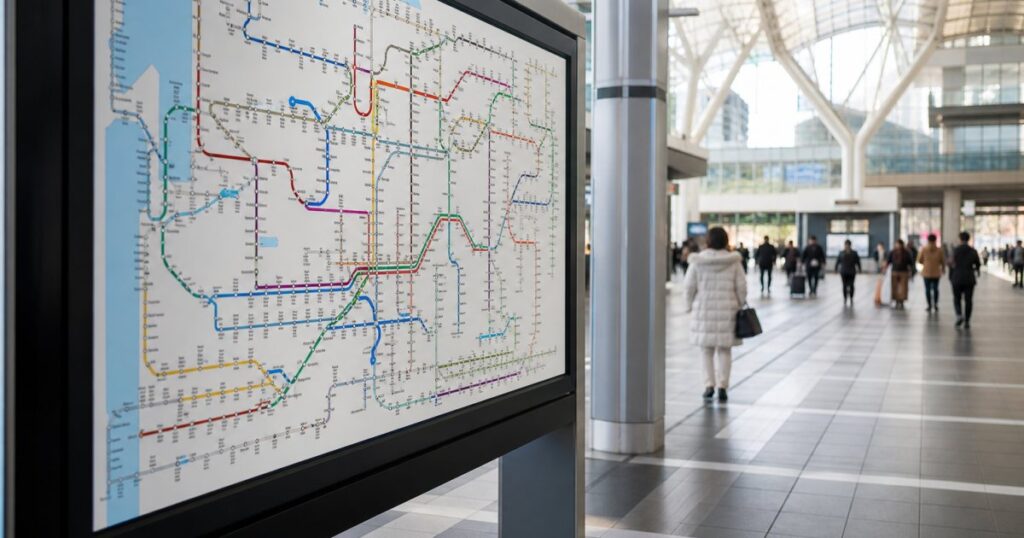
- Rely on public transit. Confirm in advance whether you’re using JR or Nishi-Nippon Railroad; check route maps at Hakata and Tenjin stations to verify platforms and directions.
- Shinkansen assigned seats fill quickly on weekends and holidays—reserve early once your plan is set. If only unreserved seats are available, arrive at the platform early to queue.
- At transfer stations (like Kokura or Takeo Onsen), allow at least 15–20 minutes. With large luggage, budget even more time to avoid rushing.
- Check the last train departure times before you leave, especially for less frequent routes like Itoshima or Yufuin.
- Store large luggage in Hakata Station’s lockers or at your accommodation. Traveling light makes boarding and transferring easier.
- Typhoons, heavy rain, or strong winds may cause Shinkansen or limited express cancellations or delays. Build in flexibility and monitor official service updates constantly.
This article is compiled and written by the Japan Jiyuukou Editorial Team. Attraction and transportation information may change—please check the latest official announcements before departure.
Actual conditions are subject to the latest official information.
This article was translated from our Traditional Chinese edition.
Related reading
 Kyoto by foot, bike, and taxi: how to combine them for the best use of time and energy
 Getting to Arashiyama: Comparing JR, Randen, and Hankyu Transit Options
 How to Get from Kansai Airport to Kyoto: Express Trains, Buses, Late Arrivals & Return Options
 Kyoto Metro, JR, Keihan & Hankyu: Complete Transit Guide to Skip Bus Traffic
More from Fukuoka
More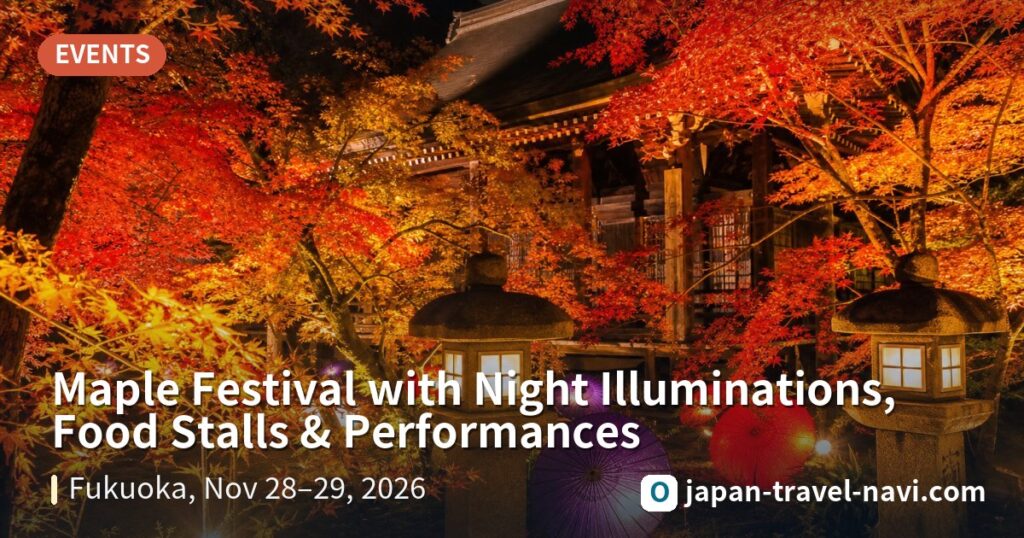 Kouyou Hachiman-gu Maple Festival in Fukuoka: Nov 28–29 Features Stalls and Performances
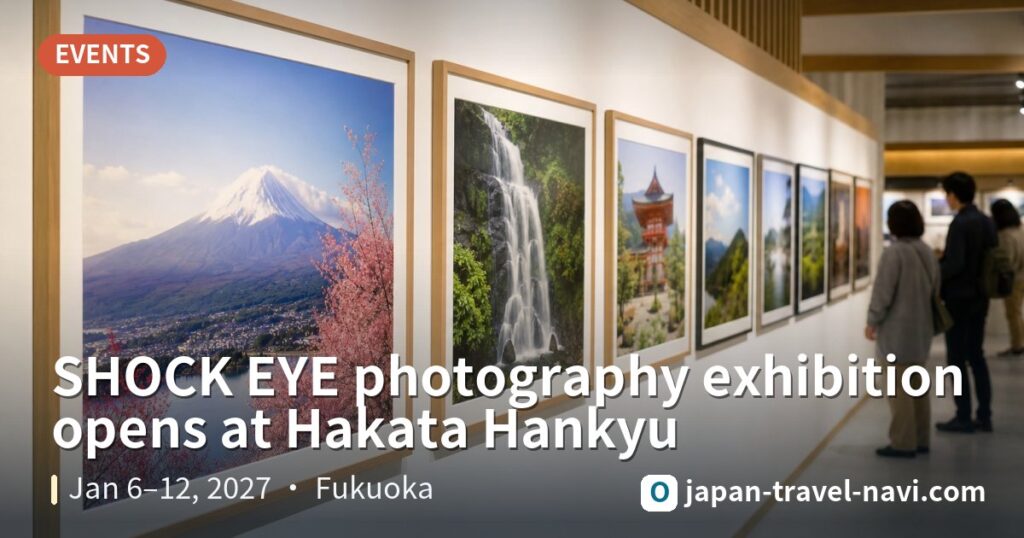 SHOCK EYE “Hundred Landscapes” Photography Exhibition at Hakata Hankyu
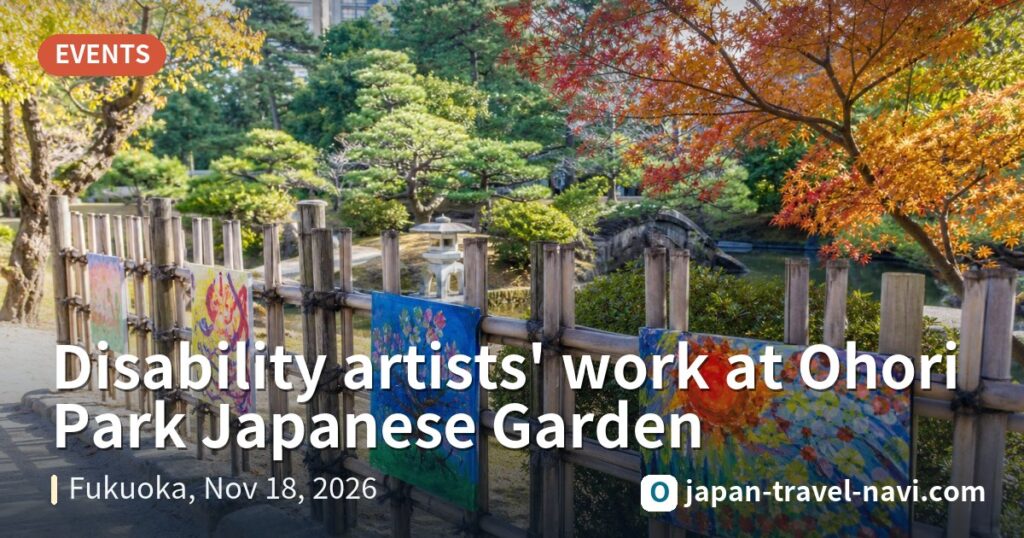 Artwork by Artists with Disabilities on Display at Ohori Park Japanese Garden from Nov 18
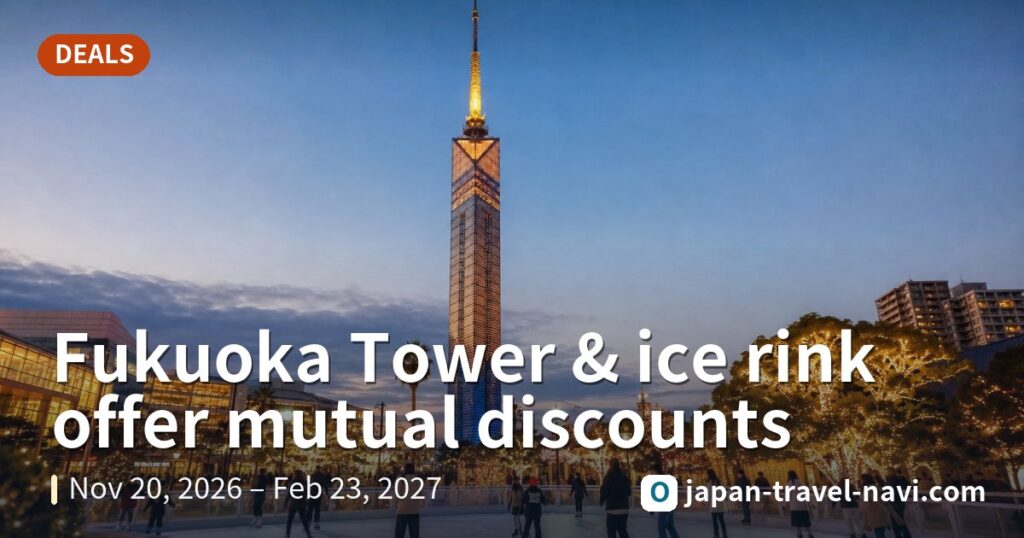 Fukuoka Tower and Ice Skating Park Partner Deal Starting Nov 20, 2026