How to Eat Conveyor Belt Sushi in Tokyo: Ordering, Pricing, Condiments and Avoiding Lines
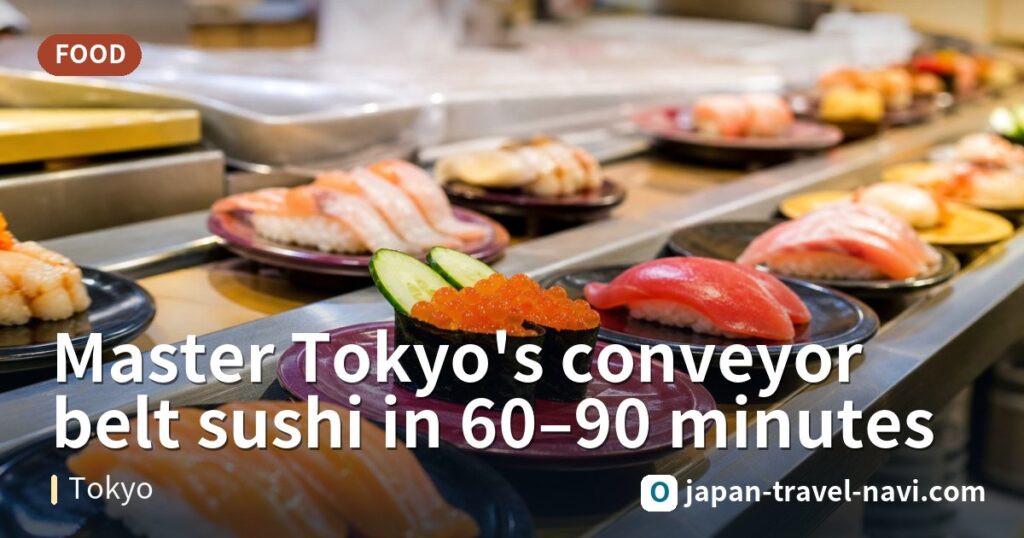
First-time visitors to conveyor belt sushi in Tokyo should plan for about 60 to 90 minutes. It’s best to avoid the lunch rush around noon; instead, aim for early lunch or an afternoon slot. Many restaurants now use tablet ordering systems, and with a few key tips, you can enjoy your meal without speaking Japanese.
Contents
Tablet Ordering: Switch the Language, Then Use Notes for Special Requests
After being seated, switch the tablet interface to Chinese, then start ordering. Most restaurants follow a simple process: select a dish, confirm and send. Dishes arrive at your seat via a dedicated conveyor track, with a sound or visual alert when they arrive. Grab your plate as soon as the alert goes off and press confirm—otherwise, dishes behind yours may get blocked. Start with 4 to 5 plates in the first round, then add more as you finish. If you want to skip the wasabi, look for a “no wasabi (さび抜き)” option, or note it in the remarks field.
Plate Colors and Pricing: Check the Rules When You Sit Down
Some restaurants use different plate colors or patterns to indicate different prices; others charge a flat rate. Rules vary by restaurant, so check the sticker, menu, or tablet instructions at your table when you arrive—don’t guess based on what you remember. You usually stack your empty plates at the edge of your table or slide them into a slot, so the restaurant can count them accurately at checkout. Check the official website for current prices before you go, and glance at the running total on the tablet before you pay, so there are no surprises.
Soy Sauce, Wasabi and Ginger: A Little at a Time, Each with Its Purpose
Pour just a small amount of soy sauce in your dish—you can always add more. For nigiri sushi, flip it over and lightly dip the fish side in soy sauce to keep the rice from absorbing too much and falling apart. Gunkan-maki (battleship-style rolls) aren’t ideal for direct dipping; instead, dip a slice of ginger (ガリ) in soy sauce and brush it gently onto the topping. Add wasabi between the fish and rice, not into the soy sauce. For dishes that already come with sauce or toppings, taste them first, then decide if you need extra seasoning. Ginger is a palate cleanser—eat a slice between different types of fish. Most tables have hot water dispensers and matcha powder so you can make your own tea, which is great for cutting through richness.
Ordering Strategy: Build Flavor Gradually
For a layered experience, start with white fish and lighter items, then move to fattier fish like tuna and salmon, followed by richer, sauced items like seared dishes and gunkan-maki, and finish with egg omelet, soup, or dessert. If your companions have very different tastes, have each person order 2 or 3 plates first, then add favorites as you go—it’s more efficient than taking turns deciding.
Skip the Lines: Timing and Queuing Systems
Popular branches near busy train stations can have lines during lunch and dinner. Arrive before the lunch rush peaks, or skip dinner in favor of a late afternoon slot. Weekdays are usually quieter than weekends. When you enter, look for a ticket machine at the entrance; grab a number and watch for your turn on the display screen. Some restaurants also let you reserve via app, so check their official website before you go. To save time, choose a branch in a residential area or near a smaller station—these usually have shorter waits than tourist hotspots.
Travel Tips
- Use a map app to find which exit the branch is near. Major stations like Shinjuku, Shibuya, and Ikebukuro have many exits; you might walk an extra 10 minutes after getting off the train, so budget extra time.
- Conveyor belt sushi restaurants have tight seating; large luggage can be in the way. Store your bags in a coin locker at the station and pick them up after you eat.
- Avoid rush hour trains during morning and evening commutes. You’ll have a more relaxed meal, and 60 to 90 minutes will feel less rushed.
- If the weather is rainy or poor, prioritize branches inside shopping malls connected to the station—you’ll stay drier and have easy access to restrooms and rest areas.
- If you have allergies or dietary restrictions, use the tablet’s remarks field or check the menu online beforehand. When in doubt, skip a dish.
- Schedule your sushi meal for after sightseeing and before you head back to your accommodation. That way, you won’t worry about missing your train if there’s a line.
This article was compiled and written by the Japan Travel Information editorial team. Attraction and transportation information can change; please check the latest official announcements before you travel.
Please follow the latest official announcements for current details.
This article was translated from our Traditional Chinese edition.
Related reading



More from Tokyo
More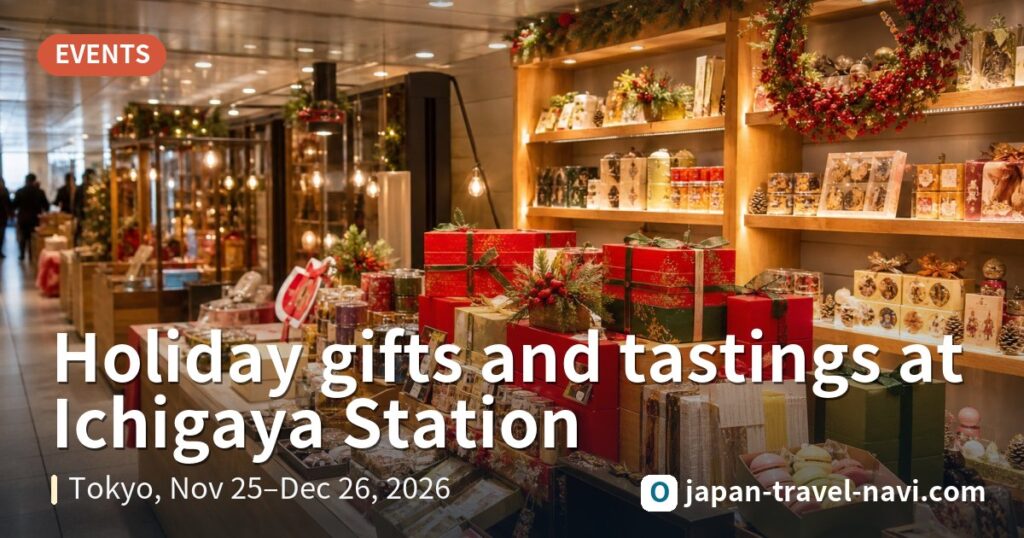 Christmas Shopping Pop-up at Ichigaya Station (Toei Shinjuku Line) Nov 25–Dec 26
 Nov 22: 20th Bakuretsu Festival – Airsoft & Tactical Gear Showcase
 Nov 28–29 Ikebukuro Sunshine City Furniture Clearance Sale – Free Entry
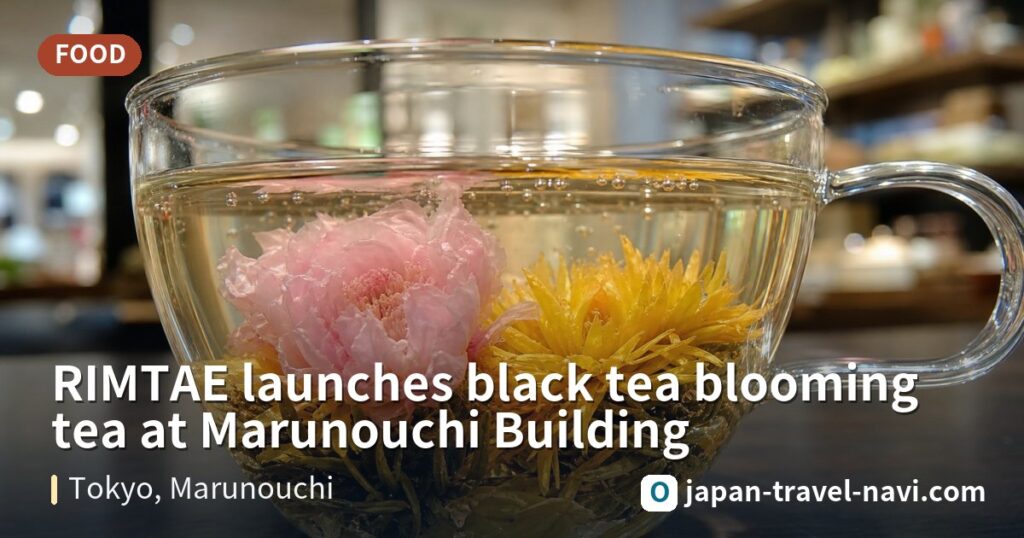 Marunouchi Building’s RIMTAE Debuts Black Tea Blooming Tea with Peony and Chrysanthemum