Osaka Tax-Free Shopping Guide: Eligibility, Checkout Process, and Pre-Departure Tips
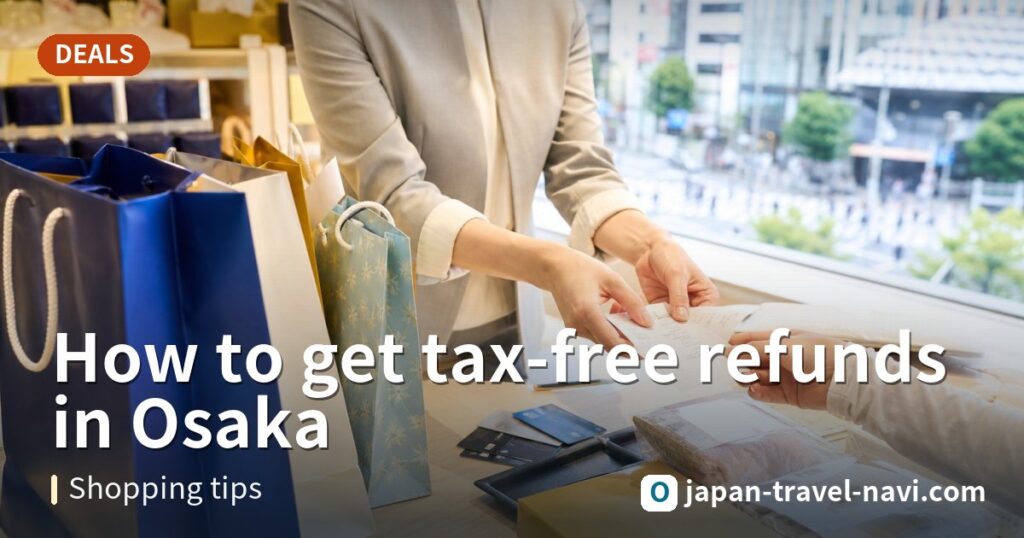
If you’re planning a big shopping spree in Namba, Shinsaibashi, or Umeda, this guide is for you. We recommend treating the tax-free process as part of your shopping itinerary and allowing about 20–30 minutes for it. Try to handle it in the morning or on a weekday when crowds are smaller. Understanding the conditions and packaging rules upfront will save you hassle.
Contents
Understanding Tax-Free Basics
Japan’s tax-free system is available to short-term foreign visitors shopping at stores displaying the tax-free symbol. You’ll need to show your passport at checkout, so don’t leave it at your hotel. Minimum purchase amounts and eligible items may vary by store and policy, so check the latest official information before you go.
Practical tip: Look for the tax-free sign at the store entrance or checkout counter before shopping. If unsure, ask staff before selecting items—it’s much easier than discovering after checkout that your purchase doesn’t qualify.
Using Centralized Tax-Free Counters at Shopping Centers
Osaka’s major department stores and shopping malls often have centralized tax-free counters (免税カウンター). Complete your regular checkout at individual shops on each floor, keep your receipts, then bring everything to the counter for processing all at once.
- Decide in advance to finish shopping before heading to the tax-free counter—don’t interrupt your shopping to visit halfway through.
- Have your passport and all receipts from that day ready. Depending on mall rules, you may need to bring items for inspection; confirm this before queuing.
- If the counter has a long line, grab a meal or coffee and return when the crowd thins out.
- Purchases from the same day at the same mall are usually easier to process together.
Packaging Rules: Consumables vs. General Goods
Tax-free items fall into two categories with different packaging requirements.
Consumables (消耗品): Food, beverages, medicines, cosmetics, and similar items. Shops will place these in special sealed bags and seal them shut. You cannot open the seal before leaving Japan, and you cannot use or consume these items while in Japan. If you want snacks to eat during your trip or cosmetics you need right away, buy those separately at regular prices.
General goods (一般物品): Clothing, bags, shoes, electronics, and similar items. These usually don’t need to be sealed, but customs may request inspection upon departure, so confirm whether to keep them accessible.
Practical tip: When you buy both types on the same day, place sealed bags on top of your luggage for easy customs inspection. Damaged or opened bags may affect your tax-free eligibility.
Important Points Before Departure
At Kansai International Airport, allow more time than usual—you may need to show your passport, receipts, and items for inspection. Travel time from Namba to the airport is about 40–50 minutes by train, but don’t cut it too close.
- Liquid consumables: Toners, drinks, and other liquids in sealed bags must comply with carry-on liquid restrictions when boarding. To avoid issues, pack them in checked luggage.
- Don’t open seals early: If you’ve already used consumables in Japan, you may face additional taxes at departure.
- Confirm before checking luggage: If items needing inspection are already packed, you may have to unpack them; place such items in easily accessible positions.
- Tax-free rules have changed in recent years. Follow the latest official guidelines and store staff instructions.
Travel Tips
- Trains and subways are the main transport to malls and the airport. Large luggage can crowd stations like Namba and Umeda, so avoid peak hours.
- If you plan heavy shopping, send large items back to your hotel or use station lockers the day before to reduce luggage hassle while sightseeing.
- Schedule your day to shop first, process tax-free refunds next, then return to your hotel to organize—this order is most efficient.
- Before heading to the airport, keep your passport, receipts, and sealed bags in one small bag you can access easily, not buried deep in luggage.
- After arriving at Kansai International Airport, confirm whether pre-departure inspection is needed before checking luggage.
- On rainy days, concentrate shopping in underground arcades or malls connected to train stations to keep items dry and reduce transfer hassle.
This article was prepared by the Japan Self-Guided Travel Information Station editorial team. Attraction and transportation information may change; please verify with each facility and latest official announcements before departing.
Please follow the latest official information.
This article was translated from our Traditional Chinese edition.