Day Trip or Overnight to Hakone Hot Springs from Tokyo: Loop Route, Itinerary & Mount Fuji Views
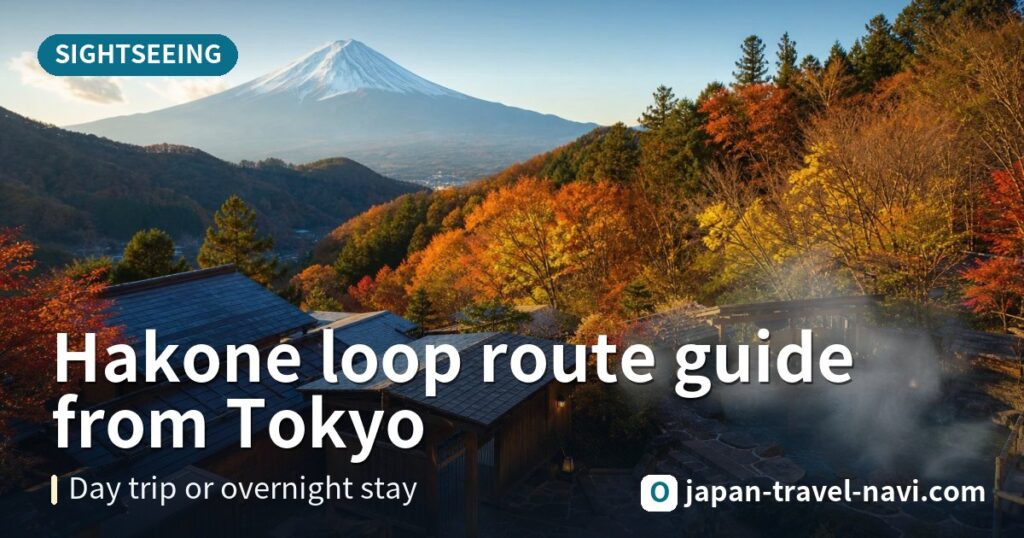
Hakone is perfect for visitors who want to relax in hot springs near Tokyo and experience various modes of transport. A same-day round trip requires 10 to 12 hours, which can feel rushed; if you have time, stay overnight to enjoy the hot springs at a more comfortable pace. To see Mount Fuji, aim for weekday mornings in autumn or winter, departing from Shinjuku early.
Contents
Classic Loop Route: Recommended Order
Take the Odakyu Electric Railway from Shinjuku to Hakone-Yumoto on the Romance Car (Romancecar) express, which takes about 80 minutes with reserved seating available. Then transfer in sequence:
1. Hakone Tozan Railway to Gōra: approximately 40 minutes.
2. Cable car to Sōunyama: approximately 10 minutes.
3. Aerial ropeway via Ōwakudani to Tōgendai: approximately 30 minutes.
4. Hakone Pirate Ship across Lake Ashi to Moto-Hakone or Hakone-machi: approximately 30 minutes.
5. Bus back to Hakone-Yumoto or Odawara.
Follow this direction so the light is softer when you cruise the lake in the afternoon. You can grab the famous black eggs (kuro tamago) from Ōwakudani during the ropeway stop without detouring.
Same-Day Trip vs. Overnight Stay
For a same-day trip, focus on one main route. Depart Shinjuku around 8 a.m., complete the loop, and return to Hakone-Yumoto by evening to dine there or in Odawara before heading back to Tokyo. Bathing time will be limited; look for hot spring facilities that allow day-use bathing. Check official information before you go.
For an overnight stay, arrive at Hakone-Yumoto before noon on day one to drop off luggage, do half the loop in the afternoon, then return to your inn to bathe and dine. Soak again the next morning, explore Moto-Hakone or Hakone-machi after checkout, and head back to Tokyo in the afternoon without rushing. If you want a private bath or dinner included at your inn, book well in advance.
Hot Spring Etiquette: Do This Before Entering
- Wash your body thoroughly in the washing area before entering the hot spring pool.
- Do not put the small towel in the water; fold it and place it on your head or at the pool’s edge.
- Tie up long hair so it doesn’t touch the water.
- No photography, swimming, or loud talking in the pool.
- If you have tattoos, ask the facility in advance whether bathing is permitted; if not, book a room with a private bath instead.
Also, avoid soaking right after a meal or drinking alcohol, and remember to hydrate before and after bathing.
Viewing Mount Fuji: Timing and Season Matter More Than Location
Mount Fuji is easiest to spot on clear autumn and winter mornings and late mornings when the air is dry and clouds are minimal. During the rainy season and summer afternoons, clouds often obscure it, and you may not see it all day.
Check the weather forecast the night before. If the next day is sunny, schedule the aerial ropeway and Lake Ashi for the morning; if afternoon clouds are predicted, don’t force it. Instead, enjoy Hakone-Yumoto’s old streets, museums, and hot springs.
Backup Plans for Closures and Rain
The aerial ropeway may close due to strong winds or volcanic gas; Ōwakudani may have access restrictions. Check official updates before departing. If the ropeway closes, shuttle services usually operate; confirm on-site. On rainy days, visibility is poor, so swap the full loop for walks in Hakone-Yumoto’s old town, museums, and bathing—no need to force the complete route.
Transportation and Itinerary Tips
- Transportation relies on trains, cable cars, pirate ships, and buses—no driving needed. Before you go, check if a Hakone Free Pass suits your itinerary and compare costs.
- The Romance Car requires reservations and fills quickly on weekends and holidays; book in advance. If unavailable, take a regular train instead, though you’ll need to transfer and travel longer.
- The loop has many transfer points; note the last departure times for each segment, especially the pirate ship and buses. If your schedule slips, confirm the final connections back to Odawara or Hakone-Yumoto.
- The aerial ropeway and pirate ship may close due to weather or volcanic activity. Save backup routes (like bus alternatives) on your phone and monitor official announcements.
- The mountain railway and cable car stations have many stairs; keep luggage light. For overnight stays, ask your inn about luggage delivery or use station lockers.
- Mountain temperatures are lower than Tokyo; even in summer, bring a light jacket for early mornings and evenings. In winter, roads may ice over; wear non-slip shoes.
This article is compiled and written by the Japan Travel Info Station editorial team. Attractions and transportation details may change; please verify with each facility and official announcements before your trip.
Always confirm current conditions with official sources.
This article was translated from our Traditional Chinese edition.
Related reading

More from Tokyo
More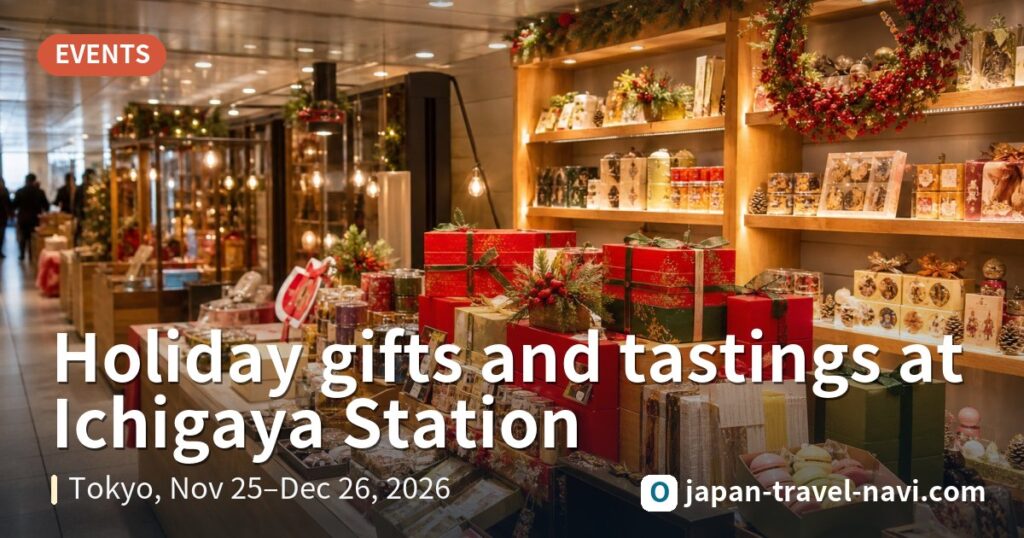 Christmas Shopping Pop-up at Ichigaya Station (Toei Shinjuku Line) Nov 25–Dec 26
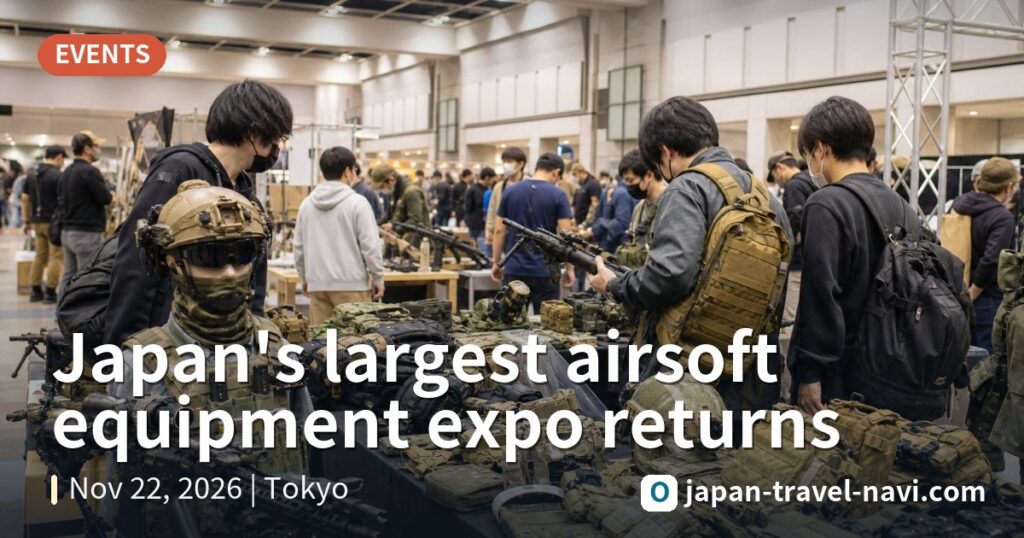 Nov 22: 20th Bakuretsu Festival – Airsoft & Tactical Gear Showcase
 Nov 28–29 Ikebukuro Sunshine City Furniture Clearance Sale – Free Entry
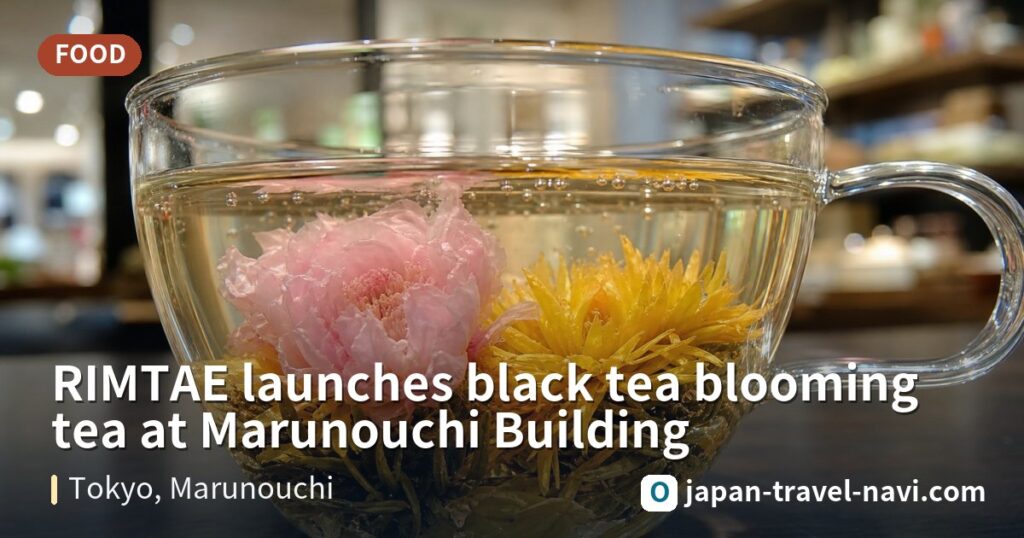 Marunouchi Building’s RIMTAE Debuts Black Tea Blooming Tea with Peony and Chrysanthemum