How to Use Fukuoka Metro and Nishi-Tetsu Bus: Three Lines, Getting On and Off, and IC Cards Explained
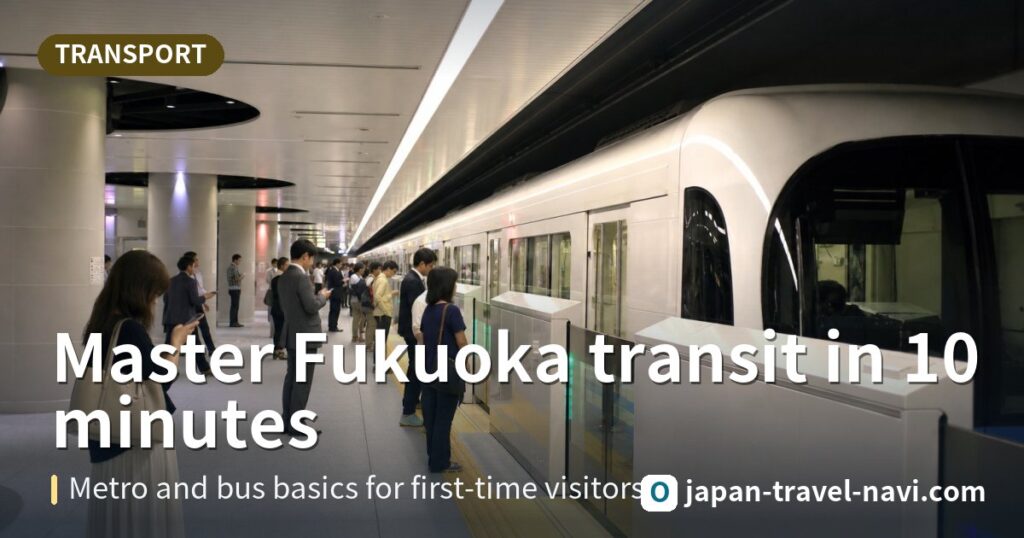
First-time visitors to Fukuoka staying in the Hakata or Tenjin area can get around the city center with just metro and bus; renting a car is unnecessary. The metro runs the main axis connecting the airport, Hakata, and Tenjin, while buses fill in the gaps the metro doesn’t reach. Spend 10 minutes understanding the system on your first day, and the rest of your trip will be much smoother.
Contents
Three Metro Lines—But You Really Only Need to Know One
Fukuoka City Metro has three lines: the Airport Line (Kūkō Line), the Hakozaki Line, and the Nanakuma Line. The Airport Line is the most frequently used by visitors, connecting Fukuoka Airport, Hakata, Gion, Nakasu-Kawabata, Tenjin, and Ohori Park. The trip from the airport to Hakata takes about 5–10 minutes, making it very convenient to head straight into the city after landing. The Hakozaki Line branches off at Nakasu-Kawabata and mainly runs toward Hakozaki Shrine, suitable for those wanting to add a half-day side trip. The Nanakuma Line connects Tenjin-minami and Hakata, extending into residential and university areas—most visitors use it for trips between Tenjin-minami and Hakata.
On your first day, I recommend checking which station is closest to your accommodation and deciding whether to buy a day pass. Check the official website for the latest information on ticket options and value before you leave.
Nishi-Tetsu Bus: Board at the Back, Exit at the Front
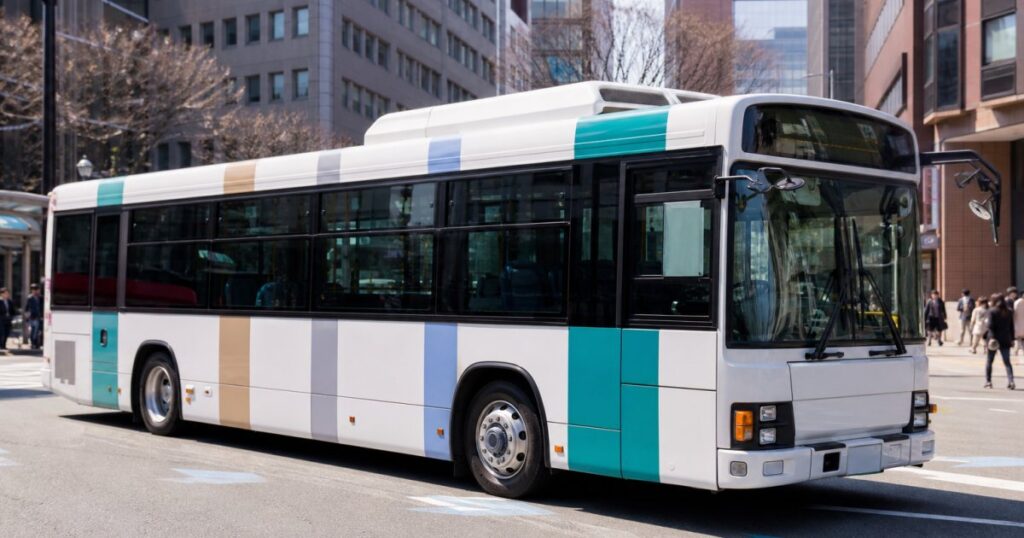
Nishi-Tetsu Bus is the main carrier in the city. The basic procedure is to board from the rear door. If paying cash, take a numbered ticket; if using an IC card, tap it on the card reader at the back. A display near the front door shows the current fare for each ticket number. Press the stop button before your station, then exit from the front door. Insert your numbered ticket and cash into the fare box, or tap your IC card again.
The most common mistake newcomers make is forgetting to take a ticket or tap their card when boarding, making it hard to calculate the correct fare zone when exiting. If unsure, watch what the person in front of you does or ask the driver.
Moving Around the City Center: What to Choose
From Hakata Station to Tenjin, the metro takes about 5 minutes and is the most reliable choice; walking takes about 25–30 minutes and is good on nice weather days if you want to shop. The distance from Tenjin to Nakasu and Canal City Hakata area is short—about 10–20 minutes on foot. Take the bus on rainy days or when carrying lots of luggage.
Buses have the advantage of dense routes and can reach gaps between metro stations, but the downside is they can get stuck in traffic during rush hour, making timing unpredictable. If you need to catch a connecting flight or take the Shinkansen after checkout, the metro is the safer bet.
IC Card: Buy One and Use It Everywhere
Fukuoka’s local transit IC card is HAYAKAKEN, and other IC cards like nimoca are also accepted. Most Japan-wide IC cards (such as Suica and ICOCA) work on Fukuoka metro and Nishi-Tetsu buses, but confirm your card’s compatibility before departure and consider adding it to your phone wallet.
A practical approach is to load credit onto your card once at a metro station ticket machine, then top it up as needed. This way you won’t need to fumble for change on buses. Before leaving, if there’s any remaining balance, you can easily spend it at convenience stores or vending machines while shopping.
Heading to Dazaifu: Remember It’s the Nishi-Tetsu Train
Dazaifu is outside the metro service area. You need to take the Nishi-Tetsu train from Nishi-Tetsu Fukuoka (Tenjin) Station, usually transferring at Nishi-Tetsu Futsukaichi Station, taking about 30–40 minutes one way. The metro’s day pass doesn’t necessarily include the Nishi-Tetsu train, so confirm before purchasing. You can also check the official website for visitor-specific transit passes.
Transit and Trip Reminders
- Confirm your start and end stations: Use a map app before leaving to check your line and exit. Large stations like Hakata and Tenjin have many exits—taking the wrong one can add over 10 minutes to your trip.
- Avoid rush hour with heavy luggage: Metro and buses are crowded during morning and evening commutes. Consider storing large suitcases at your accommodation or in station lockers.
- Listen for the station announcement on buses: Press the stop button early and check the destination display ahead to confirm. If you go the wrong direction, simply exit at the next stop and transfer.
- Keep some coins on hand: Even with an IC card, it’s wise to carry small change in case your card balance runs low while on a bus.
- Plan for rain and late nights: Last train and closure times vary by route. Check official information before departure and have a backup plan like a taxi or walking route.
- Don’t overpack your itinerary: Buses can get delayed by traffic. On transfer days, leave about 30 minutes of buffer time before important activities.
This article was compiled and written by the Japan Travel Navi editorial team. Attractions and transit information may change—please check the latest official announcements before your trip.
Please always refer to the latest official information.
This article was translated from our Traditional Chinese edition.
Related reading
 Kyoto by foot, bike, and taxi: how to combine them for the best use of time and energy
 Getting to Arashiyama: Comparing JR, Randen, and Hankyu Transit Options
 How to Get from Kansai Airport to Kyoto: Express Trains, Buses, Late Arrivals & Return Options
 Kyoto Metro, JR, Keihan & Hankyu: Complete Transit Guide to Skip Bus Traffic
More from Fukuoka
More Kouyou Hachiman-gu Maple Festival in Fukuoka: Nov 28–29 Features Stalls and Performances
 SHOCK EYE “Hundred Landscapes” Photography Exhibition at Hakata Hankyu
 Artwork by Artists with Disabilities on Display at Ohori Park Japanese Garden from Nov 18
 Fukuoka Tower and Ice Skating Park Partner Deal Starting Nov 20, 2026