When to Visit Hokkaido: Choosing Between Snow Festivals, Flower Season, and Spring-Fall

Visitors wanting to see snow scenery, snow festivals, or lavender fields should plan for 5–7 days in winter (February) or summer (July). Those wanting to avoid crowds and save money can consider early autumn (September to early October) or late May through June. Hokkaido’s seasons vary dramatically, and the same route feels completely different depending on the month. Decide what you want to see first, then choose your month to avoid regrets.
Contents
- Decide What You Want to See, Then Pick Your Month
- Winter Peak Season: Sapporo Snow Festival vs. Snow Scenery
- Summer Flower Season: Furano and Biei Require Early Starts
- Spring and Fall Transitions: Many Perks, But Check Conditions
- Accommodation and Flights: Book Lodging First, Then Compare Flights
- Travel Tips
Decide What You Want to See, Then Pick Your Month
Use this simple decision guide: want snow and hot springs? Choose January–February. Want flower fields and cool weather? Choose around July. Want autumn foliage and seafood? Choose late September to October. Want fewer people and flexible schedules? Choose late May through June. If traveling with elderly relatives or children, factor in that winter roads are slippery and daylight is short. Winter daylight is limited, so plan to wrap up before dark; aim for just 2–3 main stops per day.
Winter Peak Season: Sapporo Snow Festival vs. Snow Scenery
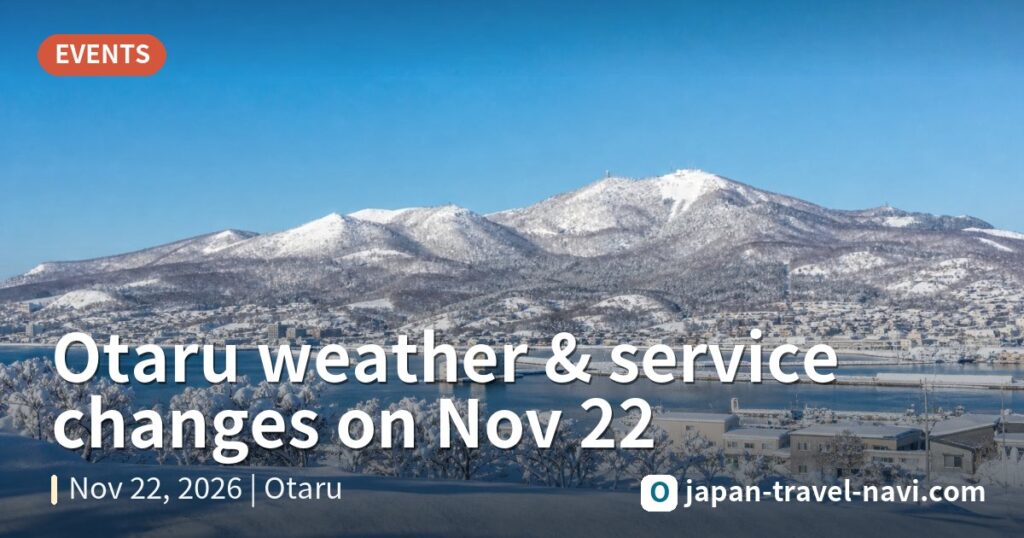
The Sapporo Snow Festival (さっぽろ雪まつり) typically runs in early February, with the main venue at Odori Park. Check the official website for exact dates before departure. This period draws the largest crowds; consider visiting Otaru or Jozankei during the day, then returning to Sapporo to view the snow sculptures in the evening when the illuminations create a better atmosphere than daytime. To avoid crowds, depart in late January or mid-February instead. You’ll miss the festival but enjoy stable snow conditions with smaller crowds and less accommodation pressure. Otaru’s Snow Light Path (小樽雪あかりの路) also runs in winter and can be combined with a snow festival trip, but confirm dates separately.
Summer Flower Season: Furano and Biei Require Early Starts
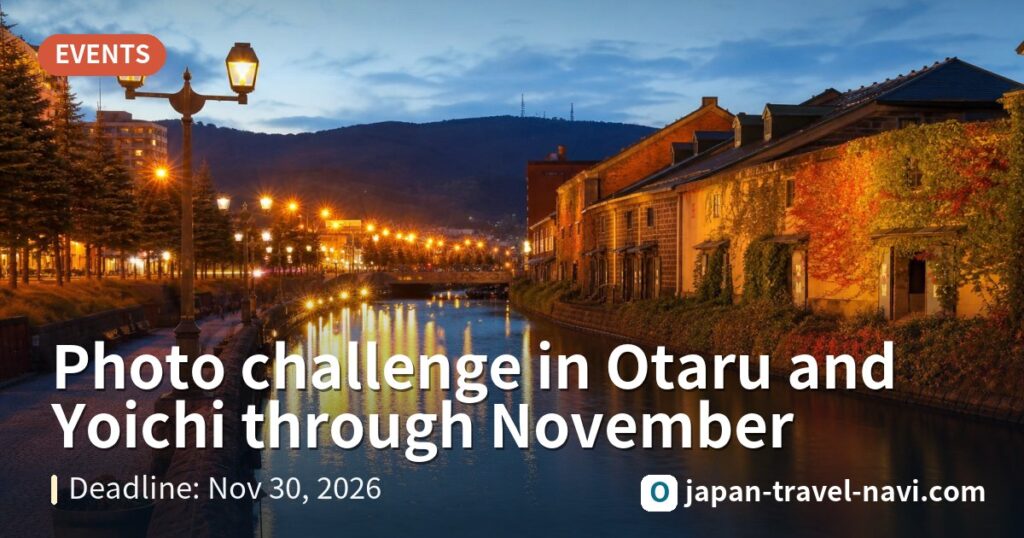
Lavender blooms mostly around July. Furano and Biei are popular areas. These regions are connected mainly by JR and regional buses with infrequent service; pick one base like Asahikawa or Furano, then plan a half-day or full-day excursion. Visit flower fields in the morning when light is soft and crowds are smaller; spend the afternoon in the city or relaxing at cafes. Summer is Hokkaido’s peak season. If rain comes, pivot to Sapporo’s downtown area, a walk along Otaru Canal, or reschedule the flower field visit for the next day.
Spring and Fall Transitions: Many Perks, But Check Conditions
April still has lingering snow, and some mountain attractions and facilities may not be open. Early May coincides with Japan’s consecutive holidays, making flights and accommodation noticeably more expensive; cherry blossoms around Sapporo typically fall during this period. From late October, autumn temperatures drop rapidly, with possible early snow and shorter bus schedules; some flower fields have already closed. Plan this season around convenient city routes like “Sapporo + Otaru” and bring an extra windproof jacket. Confirm before departure that your destination’s transport and facilities are operating normally.
Accommodation and Flights: Book Lodging First, Then Compare Flights
During the snow festival, summer flower season, and Japan’s consecutive holidays, Sapporo accommodation typically fills faster than usual. After confirming your dates, book a hotel with free cancellation, then compare flights. If prices or times aren’t ideal, adjust your stay length. During low season (early June, November), you can decide later, but still confirm flight times early—especially if you’re taking the last return flight. New Chitose Airport connects to Sapporo by frequent JR express trains, the most reliable transportation option after arrival.
Travel Tips
- In winter, rely on JR, subway, and buses; you don’t need a rental car in Sapporo. For trips to Otaru, Jozankei, or ski resorts, check JR and direct bus schedules in advance.
- During the snow festival, stations and buses are very crowded. Walk to and from the main venue and plan about 30 minutes extra for travel time.
- Furano and Biei have limited public transit; check the last bus times before deciding whether to do day trips or stay nearby.
- In winter and spring-fall transitions, roads can ice over and be slippery. Wear non-slip shoes, pack light luggage, and watch for snow on stairs and platforms when transferring.
- Bad weather can delay or cancel JR trains and flights. Avoid tight schedules on arrival and departure days, and plan to return to Sapporo the day before your return flight.
- If you must self-drive, confirm you have winter driving experience and equipment before winter travel, and check official road and weather information ahead of time.
This article was prepared by the Japan Travel Navigation Editorial Team. Attractions and transport information may change; please check official announcements from relevant facilities before departure.
Always refer to the latest official information for current conditions.
This article was translated from our Traditional Chinese edition.