Hokkaido Dairy & Soft Serve Ice Cream: Farmstands, Cheese, Melon & Winter Eating Guide

To experience Hokkaido’s dairy products thoughtfully, set aside half a day to a full day for tasting. This guide works best for dessert lovers with flexible schedules. In summer, morning to early afternoon is most comfortable; in winter, focus on indoor spots with heating. You don’t need to try everything at every stop. Instead, pick 2–3 different types daily—this approach reveals more variety than eating soft serve all day.
Contents
Farmstand Soft Serve vs. Tourist Spot Soft Serve—What’s the Difference?
Farmstand soft serve (ソフトクリーム) typically highlights milk flavor with a rich, creamy texture and clean finish—the taste of fresh, hand-squeezed dairy is most direct. Tourist-spot soft serve often incorporates local elements like melon, lavender, or red bean, offering more complex flavors. Try the original flavor first to establish a milk baseline, then sample specialty flavors to spot the differences. Farmstands are usually in rural areas. If you’d rather skip the travel time, visit a dairy specialty shop in the city or inside New Chitose Airport as a backup option.
Cheese & Dairy Desserts: Choosing Styles Matters More Than Picking Shops
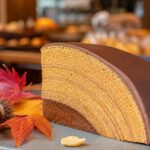
Common Hokkaido dairy desserts include cheese cake (チーズケーキ), pudding (プリン), cream-filled cookies, panna cotta (パンナコッタ), and baked cheese tarts. To compare quickly, pick two with different textures—for example, a rich baked cheesecake paired with a light fresh-milk dessert. If buying souvenirs, check whether refrigeration is needed and shelf life beforehand. Buy gifts on your last day and do all your shopping in the dairy and dessert section at New Chitose Airport (新千歳空港)—it’s the most convenient option.
Melon & Seasonal Fruit: Plan Around the Season
Yubari King Melon (夕張メロン) is Hokkaido’s most famous fruit dessert, with peak season from early to mid-summer. During this window, you can enjoy melon soft serve, melon sundaes, and fresh slices, and easily combine visits to the Furano and Biei areas. In other seasons, focus on berry, apple, or corn-flavored desserts instead—don’t force a melon hunt. If visiting in summer to see flower fields, spend your morning sightseeing, then head indoors for dessert and rest for 30–40 minutes to escape the midday sun.
Eating Ice Cream in Winter Is Hokkaido’s Daily Pleasure
Hokkaido’s indoor heating in winter is intense, so eating ice cream in a cozy, warm shop feels completely natural. Soft serve won’t melt as quickly in the cold outdoors, but your hands will freeze. Wear thin gloves or sit inside to eat. After exploring Odori Park or Susukino, join the local tradition of a “closing sundae” (シメパフェ) after dinner. Winter daylight is short, so start farmstand and rural trips in the morning and allow extra time for the return journey.
Sample One-Day Dairy Itinerary
Starting from Sapporo: Visit a city dairy or dessert shop in the morning, take the train to Otaru in the afternoon (about 40 minutes) to browse and eat, then return to Sapporo for an evening sundae. If planning Furano and Biei, schedule that as a separate day to avoid rushing and to enjoy your meals leisurely.
Travel Tips
- Farmstands and rural attractions often rely on buses or transfers with infrequent schedules. Check official timetables and reservation requirements beforehand, and confirm the last bus time.
- The JR train to Otaru takes about 40 minutes with frequent departures—ideal for a relaxed half-day trip.
- Furano and Biei attractions are spread out. Choose a guided day tour or tour bus with transportation info to minimize transfers.
- Dairy and desserts require refrigeration. Buy souvenirs on your departure day at New Chitose Airport and bring a cooler bag. Check official entry regulations for bringing dairy products back to your country.
- In winter, roads often have snow and ice. Wear non-slip shoes, walk slowly, and allow 20–30 extra minutes for transfers.
- In heavy snow or service disruptions, stay in central Sapporo visiting indoor malls and dessert shops instead of pushing to rural farmstands.
This article was compiled and written by the Japan Free Travel Info Station editorial team. Attractions and transportation information may change; please verify with each facility and the latest official announcements before traveling.
Please follow the latest official information for actual conditions.
This article was translated from our Traditional Chinese edition.