Getting Around Hokkaido by JR: Travel Times and Tips for Sapporo, Otaru, Asahikawa, Hakodate & Noboribetsu
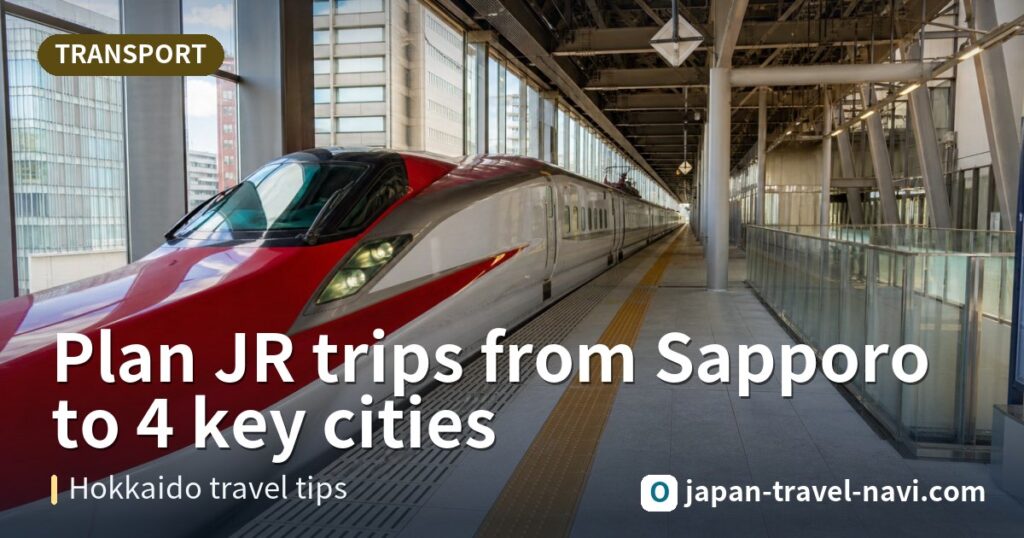
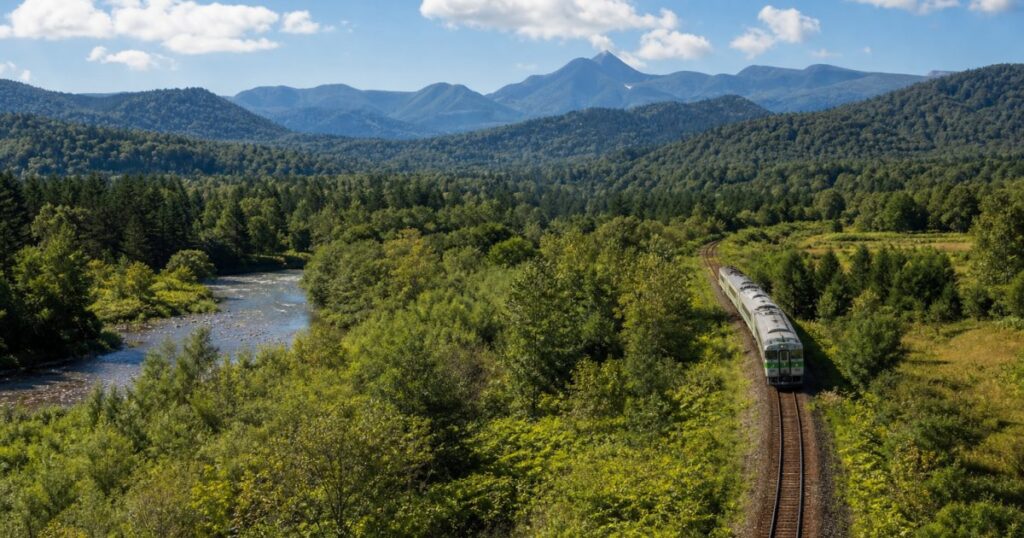
Travelers looking to explore multiple cities in Hokkaido by JR can use Sapporo as a base: Otaru, Noboribetsu, and Asahikawa work well as day trips, while Hakodate is best with at least one overnight stay. Distances in Hokkaido feel longer than they look on a map, so check travel times before deciding which sights to visit on any given day. In winter, snow and wind can cause train delays or cancellations—it’s wise to build in a flexible day.
Contents
Distance and travel time: Four directions from Sapporo
Starting from Sapporo, here’s a rough breakdown:
- Otaru: About 30–40 minutes by train—the closest option.
- Noboribetsu: About 1 hour 15 minutes by train, then another 15 minutes by bus to the hot spring district.
- Asahikawa: About 1 hour 30 minutes by train.
- Hakodate: About 3.5–4 hours by train—a half-day commitment one way.
Actual times vary by train type and weather; check official updates before departure. A simple rule: cities within 1 hour work for half-day trips, 1–1.5 hours suit day trips, and anything over 3 hours should be treated as a “travel day”—don’t try to squeeze in extra sights.
Which train type to choose
The Otaru line uses the Rapid Airport train (快速エアポート), which runs frequently with no advance seat reservation required—just buy a ticket and board at the platform. This train also connects to New Chitose Airport, so you can combine arrival or departure days with a visit.
For Asahikawa, Hakodate, and Noboribetsu, limited express trains (特急) are standard. Common services include the Kamui (特急カムイ) to Asahikawa, the Hokuto (特急北斗) to Hakodate, and the Suzuran (特急すずらん) to Noboribetsu. These express trains make fewer stops and run faster, with seats split between reserved (指定席) and unreserved (自由席) sections. Service isn’t as frequent as the Otaru line, so if you miss one, the next could be a while away—check the timetable before you go.
How to book reserved seats without regret
Here’s what to do:
- Otaru line: Usually no advance booking needed; buy a ticket at the station and board.
- Asahikawa and Noboribetsu lines: On regular weekdays, walk-up purchases are fine, but book ahead during holiday periods, summer vacation, and snow festival season.
- Hakodate line: The long journey makes reserved seats worth booking in advance, especially if you have large luggage.
Buy tickets at station machines, ticket windows, or through official reservation services. If you hold a rail pass, confirm it covers your train and check the reservation process—look up official details before departure.
Day trip or overnight stay?
- Otaru: Depart around 9–10 am, stroll the canal and grab seafood lunch in the afternoon, then catch an evening train back to Sapporo. Watch that your return train isn’t too late.
- Noboribetsu: An overnight stay is ideal if you want to soak in hot springs. For a same-day trip, factor in bus transfers and bathing time—don’t overpack the schedule.
- Asahikawa: Focus on Asahikawa Zoo or the city center. If you also want to visit Biei or Furano, you’ll need more train transfers; consider an overnight in Asahikawa or Furano.
- Hakodate: The night view is the main draw, so one overnight stay is best. Arrive in the afternoon, explore the city, then head up the mountain at dusk.
Winter backup plans if trains stop
Heavy snow, strong winds, or animal strikes can cause limited express cancellations or service reductions—it happens regularly in Hokkaido winters. What to do:
- Check train service updates the morning of departure and decide whether to reschedule.
- Don’t schedule Hakodate or Asahikawa trips for the day before you leave; spend the night before your flight back near Sapporo or New Chitose Airport.
- Highway buses are your backup; several routes run from Sapporo to Otaru, Asahikawa, Hakodate, and Noboribetsu. Check official info before departure.
- Front-load your must-see sights in the morning, leaving the afternoon open for potential delays.
Traffic and itinerary reminders
- You don’t need to drive: JR runs direct trains from Sapporo to Otaru, Asahikawa, Hakodate, and Noboribetsu. Store large luggage in Sapporo Station lockers or at your accommodation, then travel light.
- Check the last train: Limited express services are limited, especially to Asahikawa and Noboribetsu. Confirm your return time to Sapporo in advance and build in buffer time.
- Book reserved seats early: Seats fill up during holidays, summer vacation, and snow festival season. Reserve ahead, and if carrying large bags, choose seats near the carriage connections.
- Winter safety first: Station platforms and exits often have snow and ice. Wear non-slip shoes, use luggage that rolls easily, and don’t rush transfers.
- Check service status the morning of travel: Look up train service updates before departure. If trains are cancelled, switch to bus or reschedule; tickets can usually be exchanged or refunded per JR’s terms—ask at the ticket window.
- Build flexibility into your plans: Heavy snow? Cut sights in half, leave time for trains and meals, and prioritize safety over finishing the itinerary.
This article was compiled and written by the Japan Travel Navigator editorial team. Attractions and traffic information may change; please check the latest updates from each facility and official sources before departure.
Please refer to official sources for the latest information.
This article was translated from our Traditional Chinese edition.
Related reading
 Kyoto by foot, bike, and taxi: how to combine them for the best use of time and energy
 Getting to Arashiyama: Comparing JR, Randen, and Hankyu Transit Options
 How to Get from Kansai Airport to Kyoto: Express Trains, Buses, Late Arrivals & Return Options
 Kyoto Metro, JR, Keihan & Hankyu: Complete Transit Guide to Skip Bus Traffic