Hokkaido Crab Guide: Types, All-You-Can-Eat vs. À la Carte, and Takeaway Tips
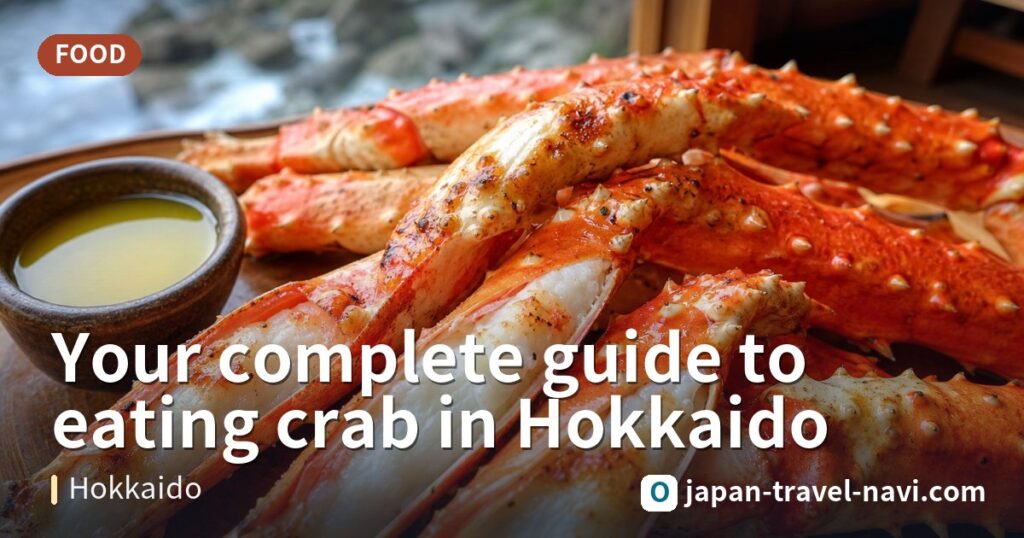
First-time visitors to Hokkaido wanting to eat crab but worried about missteps should reserve at least 90–120 minutes for a full meal, preferably dinner, and book ahead. Understanding the three main crab types, choosing between all-you-can-eat or à la carte, and handling takeaway and customs will make your experience much smoother.
Contents
Three Crab Types, Completely Different Flavors
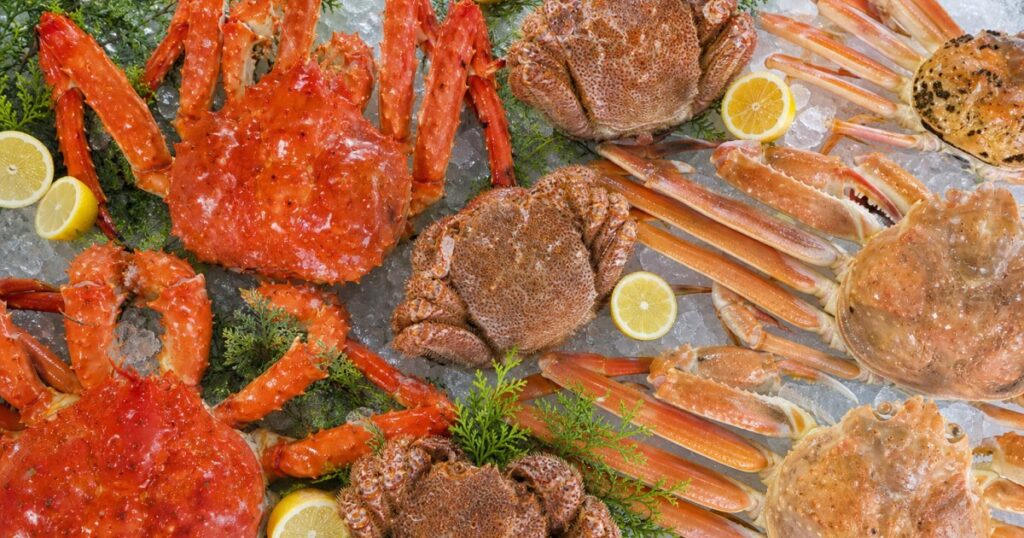
Horsehair Crab (毛ガニ) has a smaller body, but the highlight is the creamy crab roe and delicate sweetness. Usually served whole and boiled—you crack and pick the meat yourself. King Crab (タラバガニ) has thick legs with substantial meat and a hearty, fibrous texture. It’s perfect if you want to eat generously and is what most people picture as a “big Hokkaido crab.” Snow Crab (ズワイガニ) has slender legs with sweet, moist meat, ideal for grilling, hot pot, or sashimi.
Simple selection guide: want rich crab roe? Choose horsehair crab. Want lots of meat? Go for king crab. Want delicate sweetness? Pick snow crab. If two of you are dining together, order different varieties and share.
All-You-Can-Eat vs. À la Carte
All-you-can-eat (食べ放題) lets you try multiple preparations in one sitting and suits groups, big appetites, or those new to crab cooking. The downside: time limits, and you may spend your entire time cracking shells rather than eating.
À la carte or set courses (コース) work better for those wanting higher quality. A typical approach: order one main crab variety per person, paired with crab hot pot (かに鍋), shell-grilled crab (甲羅焼き), or tempura, and finish with rice porridge cooked in crab broth (雑炊) to use every last bit.
If you have just one crab meal, I’d choose à la carte. For flexible budgets or group dining, consider all-you-can-eat. When booking, confirm the time limit, crab varieties offered, and whether they serve live or frozen crab.
Seasonality and Timing
Different fishing seasons apply to different Hokkaido regions and crab types. Many restaurants source year-round, but some stock frozen or imported varieties—availability doesn’t mean it’s fresh-caught this season.
Practical approach: when booking, ask directly, “What’s your featured crab this month?” Winter is peak crab season with heavy tourist traffic—spots are hard to find, so reserve early. For market dining, visit mornings to midday; for dinner, choose restaurants with staff who can help you crack the crab—much easier.
Market vs. Restaurant Dining
Sapporo Toyohira Outdoor Market, Nijo Market, and Hakodate Morning Market are popular with visitors—great for browsing, eating, and picking up souvenirs. Pros: wide selection and you see the product. Cons: limited seating, heavy queues during peak season.
Plan markets for morning or early afternoon, then head to a proper restaurant for crab hot pot or a set course in the evening. With just one day, either “pick a live crab at the market and heat it at your hotel” or “enjoy a set course at a restaurant dinner”—not both, to avoid crab fatigue.
Shipping and Taking Crab Home
Two ways to take crab home: bring it yourself or have the restaurant ship it.
If you’re bringing it, import rules on seafood, quantities, and packaging differ by country. Live and fresh chilled products face extra scrutiny at customs. Before you leave, check your destination country’s official latest regulations and confirm airline policies on cooler bags and ice packs.
For restaurant shipping: confirm at purchase whether they send overseas, to which countries, delivery timeframe, and whether domestic Japan only. Many restaurants ship only to addresses within Japan or hotels. Verify your hotel accepts deliveries first.
Safest approach: eat your fill locally, and take home only processed products that meet regulations and are fully packaged.
Travel Tips
- Book ahead: Crab restaurants fill up fast in peak season. Reserve before departure and note your arrival time to avoid cancellation.
- Use public transport: Sapporo crab restaurants cluster around Sapporo Station, Odori Park, and Susukino—all accessible by subway or walking. Otaru is about 40 minutes from Sapporo by JR, perfect for a day trip.
- Winter travel: Hokkaido roads freeze easily in winter. Wear slip-resistant shoes, allow extra travel time, and expect possible transit delays on snowy days.
- Post-meal activities: Crab shells and broth leave a strong smell. Avoid quiet venues immediately after; take a walk or go shopping first.
- Luggage and cooling: If taking crab products home, pack a cooler bag and confirm your airline’s checked and carry-on policies before the final days of your trip.
- Build in buffer time: Crab meals often run longer than expected. Allow 30 minutes between this activity and your next plan—avoid a tight schedule.
This article was compiled and written by the Japan Travel Info editorial team. Venues and transport information may change. Please verify details with official sources before departure.
Please refer to the latest official announcements for the most current information.
This article was translated from our Traditional Chinese edition.