Akihabara Anime & Electronics Guide: Shop Types, Gacha Games & Warranty Tips
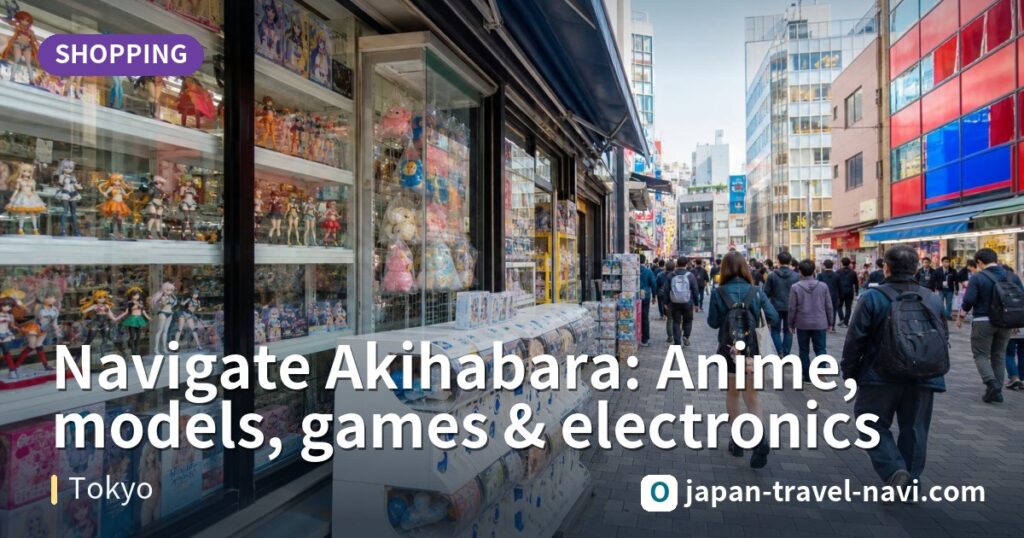
If you want to browse anime merchandise, models, secondhand games, and electronics all in one place, Akihabara is ideal for a half-day to full-day visit. Weekday mornings or afternoons are recommended—fewer crowds mean more leisurely browsing. If you’re hunting for models or digging through secondhand games, plan an extra 3 to 4 hours.
Contents
Know the shop types first, then plan your route
Akihabara shops generally fall into these categories: multi-story anime merchandise complexes, specialty model and figurine shops, secondhand game and retro console stores, gacha and claw machine arcades, and large-scale electronics retailers. Exit JR Akihabara Station from the Electric Town exit and walk along Chuo-dori (Central Avenue) first to get a sense of where each type of shop is located, then decide which areas to explore deeper. Large buildings along the main street often have different products on each floor—check the directory before entering to save time climbing stairs.
How to shop for merchandise, models & secondhand games
Start with anime merchandise at large complexes to gauge series popularity and product variety, then move to specialty shops for specific items. Models and figurines usually come boxed—check the box condition, missing parts, and whether everything fits in your luggage before buying. Secondhand game stores typically organize stock by console era; condition varies widely, so inspect the box, manual, cartridge, or disc on the spot. To find a specific title, photograph the cover first and use the image to verify the version—this prevents mix-ups.
Gacha & claw machines: How they work and pacing
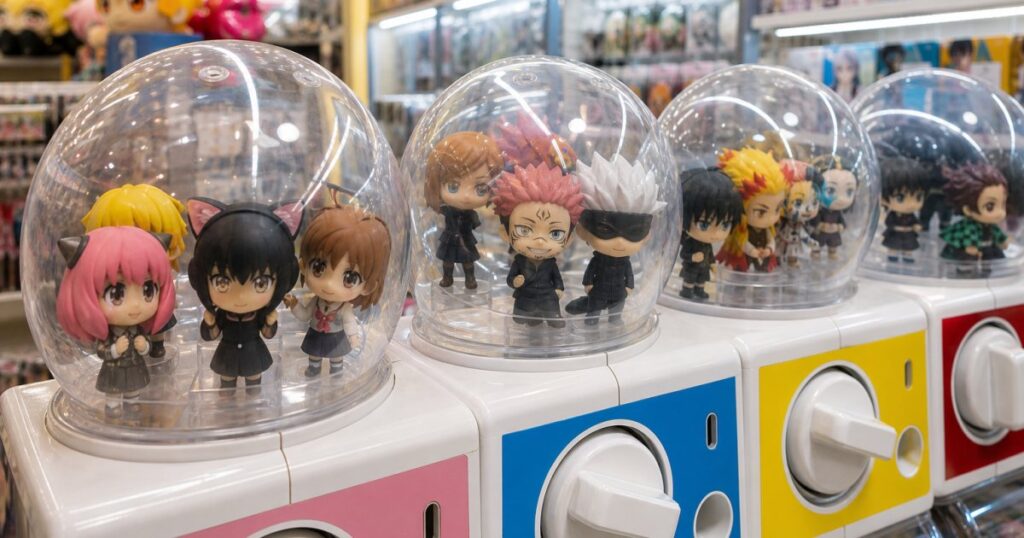
Gacha machines (ガチャガチャ) are usually concentrated on entire walls in dedicated shops or arcades. Insert coins, turn the dial, and receive a random item. Change plenty of coins before you go—queuing at the counter to exchange money on-site is time-consuming. Claw machines (クレーンゲーム) vary by unit: some require dropping items into a hole, others require grabbing or pushing. First-timers should watch others play before attempting. If you’ve tried a few times without success, ask staff to adjust the position—this is a standard service. Set a budget beforehand and take a break once you reach a stopping point to avoid overspending.
Electronics: Warranty, voltage & tax-free confirmation
Two common pitfalls when buying electronics: warranty and voltage. Japanese domestic products typically come with Japan-only warranty; clarify repair coverage before taking items home. Japan’s power supply runs at a lower voltage with two-pin flat plugs. “International voltage” models usually work on different voltages; single-voltage items like hair dryers and heating appliances require careful specification checking. Lithium batteries and power banks must follow airline regulations for cabin use. To use tax-free service, bring your passport and check official requirements in advance.
Main street vs. side streets: Two-phase approach
Explore the main street in the morning—large shops have comprehensive stock and easy price comparison. Switch to side streets in the afternoon; smaller shops specialize in niches like retro games, components, or specific series merchandise. Watch for street touts in alleys; politely decline and keep walking if you’re not interested in their offers. Break after the main street to find a café and review your haul list. Rainy days suit multi-story buildings—no need to venture outside frequently.
Travel tips
- Getting there: Take JR’s Yamanote, Keihin-Tohoku, or Sobu Line to Akihabara Station. About 5 minutes from Tokyo Station, 10 minutes from Ueno. Tokyo Metro’s Hibiya Line also serves the area with multiple exits—confirm which direction toward Electric Town before exiting.
- Luggage management: Buy lighter items first; save models and electronics for last. Head back to your hotel or use luggage storage after shopping. Large boxed items are awkward on trains, especially during rush hours.
- Time allocation: Akihabara is easy to get lost in for hours. Decide on 2–3 must-visit shops beforehand; explore others casually. Leave gacha and claw machines for the end of your itinerary so they don’t throw off your schedule.
- Product verification: Photograph model numbers, versions, and warranty details on electronics and secondhand games before purchase. This helps with future repairs or queries at home. Check official sources for the latest tax-free regulations before departure.
- Crowds and safety: Main street is congested on weekends—watch your backpack and valuables. When approached by street touts, keep walking without stopping to reply.
- Rainy day plan: Switch to multi-story buildings and underground passages to minimize outdoor time.
This article was compiled by the Japan Travel Navi editorial team. Venue and transit information may change; please verify with official sources before your visit.
Always confirm current official information before you go.
This article was translated from our Traditional Chinese edition.
Related reading
 Hankyu Umeda Main Store Holiday Food Festival: Christmas Treats and Limited Souvenirs from Nov 25
 BEYOND Pop-Up Shop Brings Curated Brands to Kyoto’s Shinpuhkan Nov 27–29
 Disney Stainless Steel Couple Rings Arrive at Canal City Hakata on Nov 15
 Hakata Canal City: LAKOLE × NO COFFEE First Collaboration Nov 13–Dec 3
More from Tokyo
More Christmas Shopping Pop-up at Ichigaya Station (Toei Shinjuku Line) Nov 25–Dec 26
 Nov 22: 20th Bakuretsu Festival – Airsoft & Tactical Gear Showcase
 Nov 28–29 Ikebukuro Sunshine City Furniture Clearance Sale – Free Entry
 Marunouchi Building’s RIMTAE Debuts Black Tea Blooming Tea with Peony and Chrysanthemum