Tokyo Ramen Guide: Four Main Types, Ticket Machine Operation & Queue Etiquette
First-time ramen visitors to Tokyo only need to budget “half a day to one meal” of flexible time—no need to spend an entire day in line. We recommend avoiding peak meal times around noon and eating earlier or later instead; you’ll face much shorter queues. Once you understand the main flavor types, how to use the ticket machine, and basic etiquette, you’ll have a smooth experience.
Contents
Four Common Types to Know
- Soy sauce (醤油): Tokyo’s most classic flavor with a clean, savory broth. Pick this for your first try—it’s the safest bet.
- Salt (塩): Lighter in color with a clean taste, ideal if you prefer less intense flavors.
- Dipping noodles (つけ麺): Noodles and concentrated broth are served separately; you dip the noodles in the broth. Portions are usually larger, so consider a small size if you’re not very hungry.
- Miso and pork bone: Miso is rich and hearty, while pork bone (tonkotsu) features a creamy, milky pork broth—both are common in Tokyo.
If you only have two meals, we recommend trying soy sauce first as your baseline, then dipping noodles next; this will help you discover your own flavor preferences.
How to Use the Ticket Machine
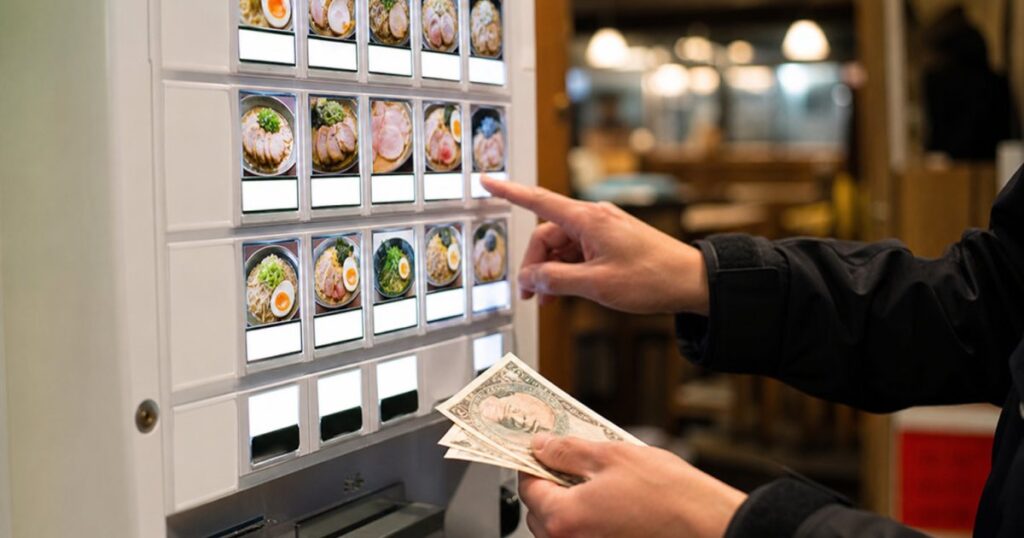
Most ramen shops require you to buy tickets from a machine (券売機) at the entrance before sitting down.
1. Look for the largest, most prominent button on the machine—it’s usually the signature ramen.
2. Insert cash or coins, then press the button. Some machines accept IC cards or credit cards, but not all, so have some cash ready.
3. If you want to add extra noodles (大盛), an egg, or toppings like chashu pork, press those buttons separately—you cannot add these after ordering at the counter.
4. Take your meal ticket and change, then hand the ticket to staff or place it on your table.
When buttons only show Japanese, use your phone’s camera translation feature. If you have allergies or dietary restrictions (such as not eating pork), check the broth ingredients before buying your ticket. If necessary, use the translation to ask staff. Some shops have you queue first and buy your ticket when it’s your turn; if unsure, watch what the customer ahead of you does.
Queue and Dining Etiquette
- Stand in line properly and don’t block the shop entrance or nearby doorways. Staff usually ask how many are in your party, and everyone must be present before you can be seated.
- Keep large luggage at your feet or in a designated area. During busy seasons, try not to bring large bags into the shop.
- Eat the noodles while they’re hot. Slurping noodles audibly is not rude at a Japanese ramen shop—no need to eat quietly.
- Don’t linger after finishing; others are waiting. Return your bowl and cup to the counter as directed.
- Check for “no photography” signs before taking pictures. Take your photo and then focus on eating.
- Pork bone ramen shops often offer a noodle refill service (替え玉); you can order this from staff when there’s still a little broth left.
How to Explore Ramen Alleys Near Stations
Large stations like Tokyo Station often have concentrated areas with several ramen shops—great for those who want to compare different styles.
- Walk around first and look at shop signage, the featured items on ticket machines, and queue lengths, then decide which shop to try.
- If you’re in a group of two or more, you can split up to scout, but everyone must be present when seated.
- To try multiple shops, two people can share one order and split it, or choose smaller portions.
- On rainy or hot days, underground or station-area alleys are more comfortable to explore; you can fit this into a transfer break in your itinerary.
- If you have lots of luggage, store it in a coin locker first, then enjoy ramen without the burden.
Operating hours, holidays, and queue conditions change. Check official updates before you go.
Travel Tips
- Moving by train or subway is most convenient. Use a map app to find exit numbers; large stations have many exits, and taking the wrong one could add extra walking.
- When using Tokyo Metro or JR, have an IC card ready so you can go straight to your next activity after ramen without waiting at a ticket machine.
- Avoid rush hour and lunch peaks; with off-peak timing, expect about 15–30 minutes in line, though peak seasons or holidays may take longer.
- Ramen broth and bowls are very hot—blow on them before eating. If you eat ramen after drinking at night, watch your belongings and don’t leave things under your seat.
- When carrying large luggage, store it at the station or hotel first, then plan your ramen outing to avoid squeezing into cramped shops.
- Keep your schedule flexible: choose station-area ramen alleys on rainy days, plan for neighborhood shops on nice days, and switch to another shop if the line is too long.
This article was compiled and written by the Japan Free Travel Information Station editorial team. Attraction and transportation details may change; please verify the latest information from each facility and official announcements before you depart.
For the most current conditions, please check official sources.
This article was translated from our Traditional Chinese edition.
Related reading



More from Tokyo
More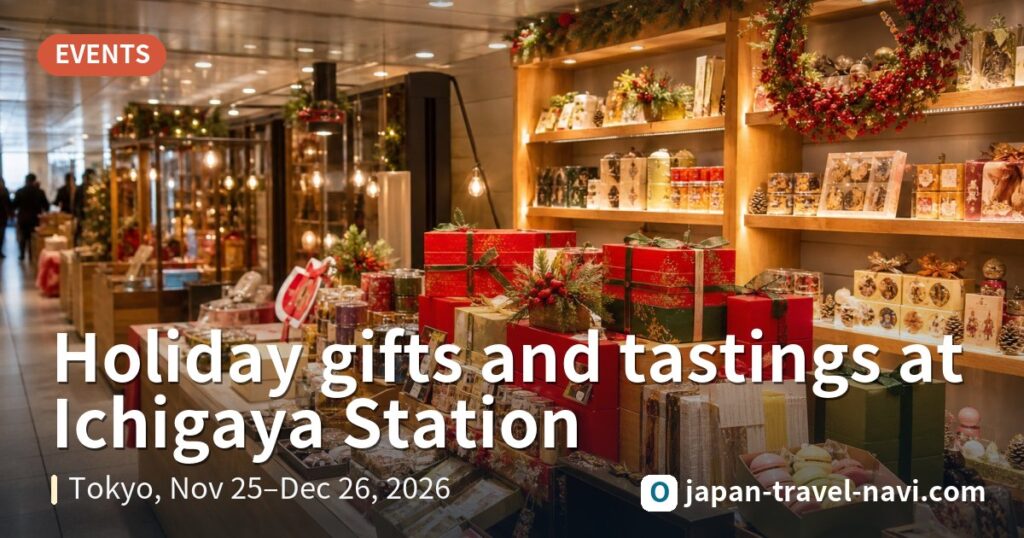 Christmas Shopping Pop-up at Ichigaya Station (Toei Shinjuku Line) Nov 25–Dec 26
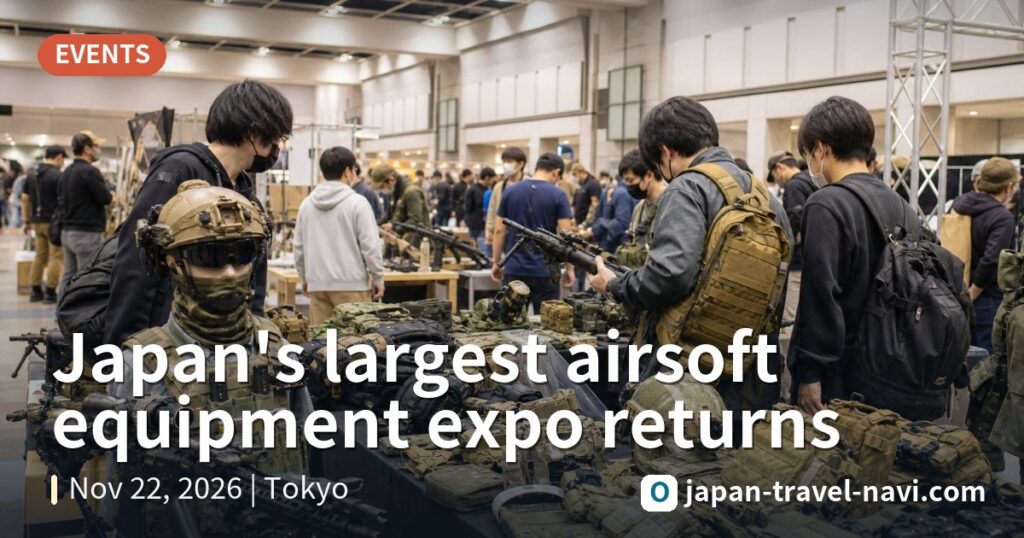 Nov 22: 20th Bakuretsu Festival – Airsoft & Tactical Gear Showcase
 Nov 28–29 Ikebukuro Sunshine City Furniture Clearance Sale – Free Entry
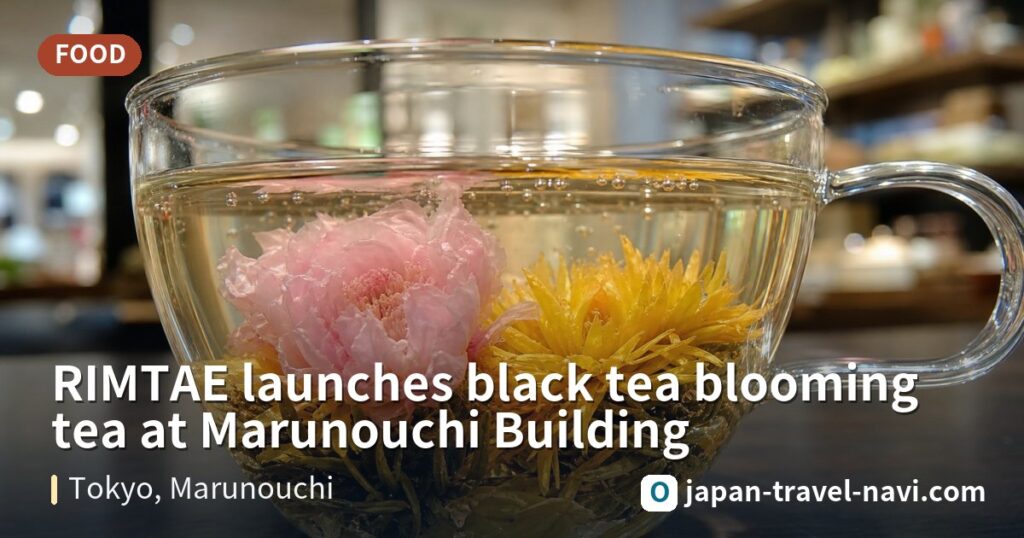 Marunouchi Building’s RIMTAE Debuts Black Tea Blooming Tea with Peony and Chrysanthemum